

Guide to Inclination Angle and Heating Rate Control for Bauxite Rotary Kilns
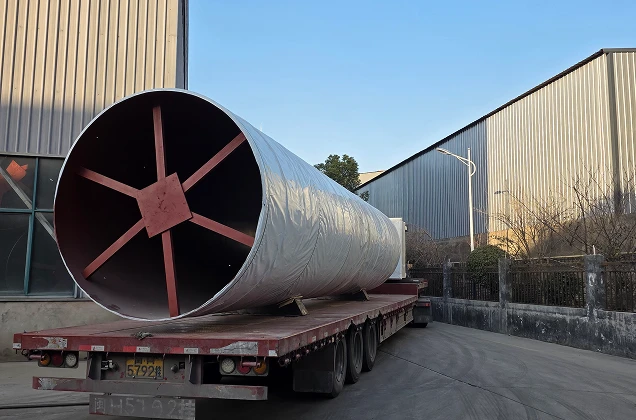
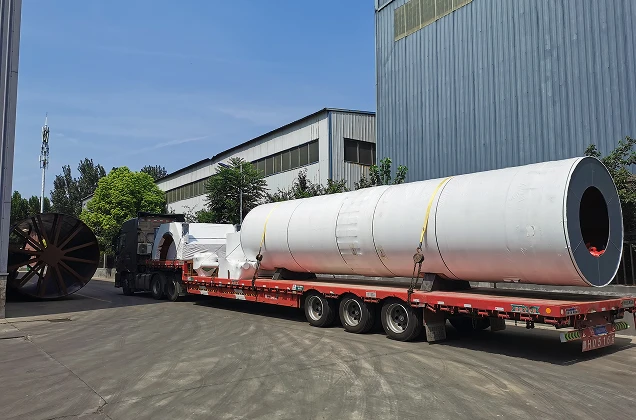
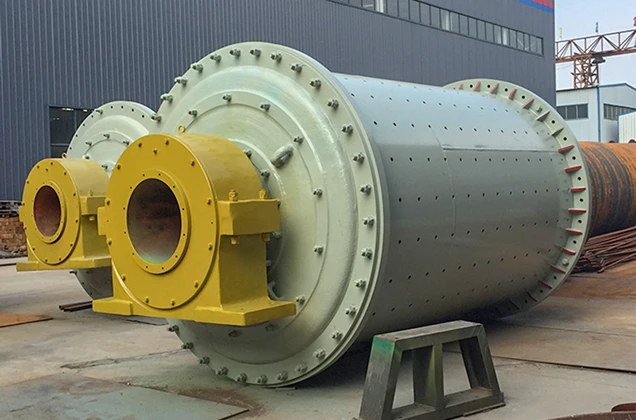
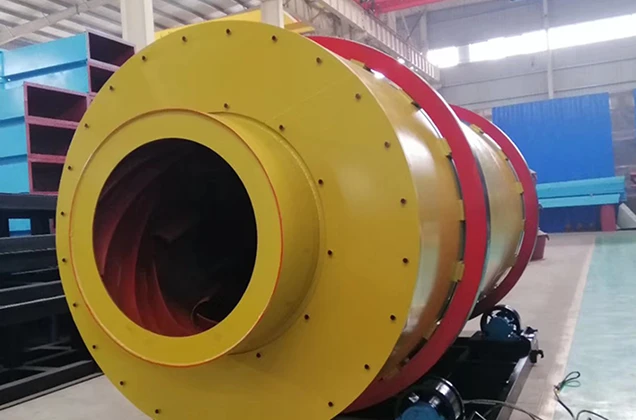
In bauxite calcination production, the kiln shell inclination angle and heating rate are two key parameters that directly determine calcination quality and equipment service life. The inclination angle determines the material residence time and flow state inside the kiln, while the heating rate relates to whether the bauxite can complete sufficient dehydration and crystal form transformation. The following sections analyze these two parameters separately.
I. Shell Inclination Angle of Bauxite Rotary Kilns
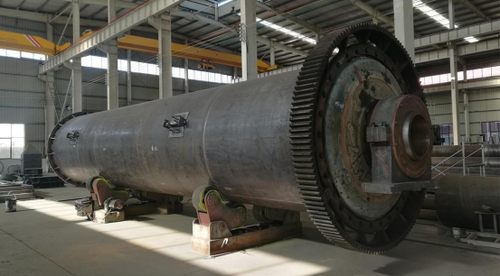
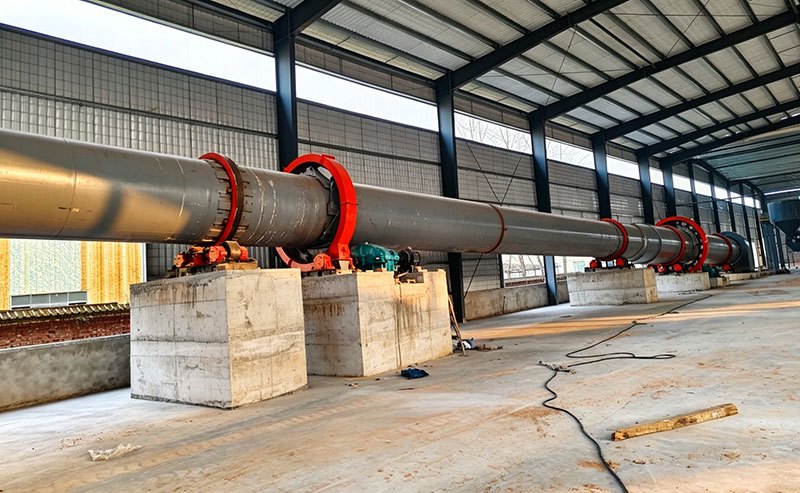
The inclination angle of a bauxite rotary kiln is usually determined according to production process requirements and material characteristics. In industry practice, the inclination angle of bauxite rotary kilns is generally designed within the range of 1° to 5°. The design goal of this angle range is to ensure that the material can move uniformly through the heating zone inside the kiln, while controlling the material residence time and ensuring smooth discharge.
From general industry data, the slope of rotary kilns is usually expressed as a percentage, generally between 3% and 4%. For bauxite rotary kilns of different specifications, the slope design varies: some manufacturers adopt a slope of 3.5% for bauxite rotary kilns, while other equipment uses 4%.
It is worth noting that the inclination angle design is not fixed. For special process requirements, such as scenarios requiring extended material residence time or increased processing capacity, the inclination angle may be appropriately increased. Patent technology shows that when a larger inclination angle of 7° to 9° is adopted, although the material roasting time inside the kiln is somewhat shortened, the output can be increased by 10% to 20% compared with traditional rotary kilns.
There is a direct relationship between inclination angle and material residence time: the larger the inclination angle, the faster the material moves inside the kiln and the shorter the residence time; conversely, the smaller the inclination angle, the slower the material movement and the longer the residence time. Therefore, setting the inclination angle of a bauxite rotary kiln is essentially finding a balance between calcination sufficiency and capacity efficiency.
II. How to Control the Heating Rate Inside the Kiln
Heating rate control for bauxite rotary kilns requires distinguishing between two situations: the new kiln drying and baking stage and the normal production stage. The control logic for the two is completely different.
1. Heating Rate Control During the New Kiln Baking Stage
For rotary kilns that have been newly bricked or had refractory materials replaced, baking must be carried out strictly according to the heating curve. The core objective is to allow sufficient time for physical water and chemically bound water in the refractory material to be expelled, avoiding rapid heating that causes a sudden rise in internal steam pressure, leading to cracking and spalling.
In industry practice, the heating and baking of castables in rotary kilns generally follows these control principles:
0°C to 100°C: Heating time approximately 3 hours, rate controlled at 15-30°C/h
100°C to 300°C: Heating time approximately 12 hours, rate controlled at 15-30°C/h, with a holding platform required in this interval
300°C to 450°C: Heating time approximately 16 hours, rate controlled at 15-30°C/h
450°C to 650°C: Heating time approximately 5 hours, rate controlled at 15-20°C/h
650°C to 800°C: Heating time approximately 4 hours, rate controlled at 25-30°C/h
800°C to 1150°C: Heating time approximately 5 hours, rate can reach 75°C/h
Throughout the heating process before 600°C, the key control point is alternating slow heating with holding platforms, so that moisture in the lining can be fully expelled. For methods using clinker to assist kiln baking, clinker can be introduced when the kiln temperature reaches 300°C. The thermal conductivity of clinker helps improve temperature transfer and distribution inside the kiln, shortening the baking time.
2. Heating Rate Control During Normal Production
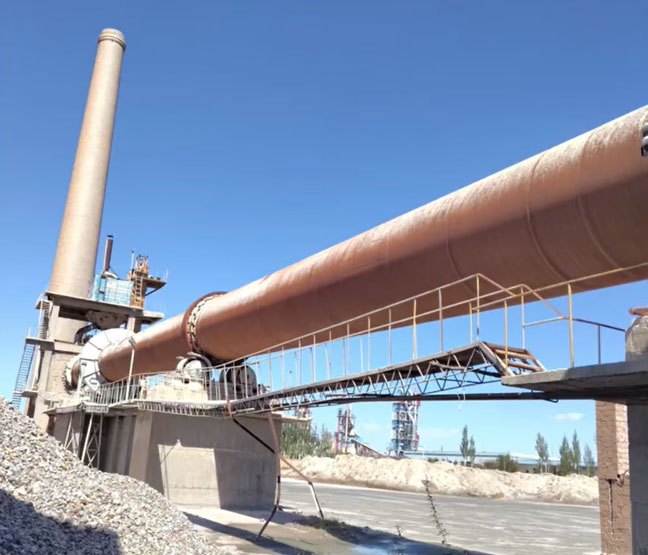
After entering normal production, the calcination temperature for bauxite is typically within the range of 1200-1400°C (the specific temperature depends on bauxite grade and target product requirements). Heating rate control is mainly achieved through the following means:
Fuel supply adjustment: The rate of heat input into the kiln is controlled by adjusting the fuel flow of the burner. Increases and decreases in fuel supply should be carried out smoothly, avoiding drastic fluctuations that cause imbalance in the kiln temperature field.
Kiln speed adjustment: Kiln shell rotation speed directly affects the material residence time in the high-temperature zone. Higher speed shortens material residence time in the kiln and relatively accelerates the heating rate; lower speed extends material residence time and allows more thorough heating. Speed adjustments during normal production should match the kiln temperature conditions.
Secondary air and combustion air ratio: By adjusting the ratio of primary air to secondary air, the flame shape and combustion efficiency are controlled, which in turn affects the temperature distribution and heating rate inside the kiln.
Online monitoring and feedback: Modern bauxite rotary kilns are usually equipped with temperature monitoring systems. Operators adjust fuel supply and kiln speed in real time based on actual temperature values at each section of the kiln, forming closed-loop control.
3. Core Principles of Heating Rate Control
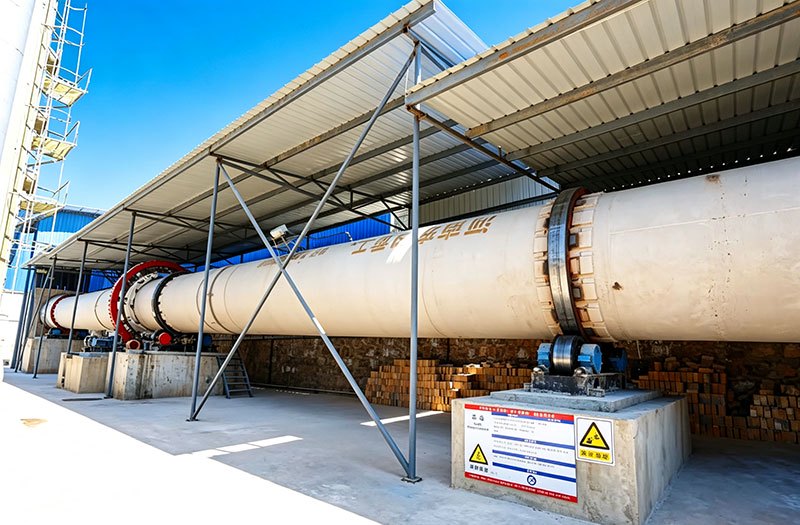
Regardless of the stage, heating rate control should follow one basic principle: the heating rate must match the process requirements of the material while also considering the bearing capacity of the refractory material. If heating is too fast, bauxite may not complete sufficient dehydration and crystal form transformation, and product quality will fail to meet standards. If heating is too slow, energy consumption increases, capacity decreases, and material may remain in the kiln too long, causing over-burning. In actual operation, the optimal heating curve for specific bauxite raw materials should be determined through testing and strictly implemented in production.
Henan Hongke Heavy Industry's mineral processing equipment enjoys significant competitive advantages in the industry. We provide one-stop full-chain services covering pre-sales consultation, in-process follow-up, and after-sales support, ensuring every customer buys with confidence and uses with peace of mind. Click Customer Service Consultation to leave us a message. You are welcome to visit Henan Hongke for on-site inspection and business negotiation. We will provide you with professional solutions and quotations!