


-
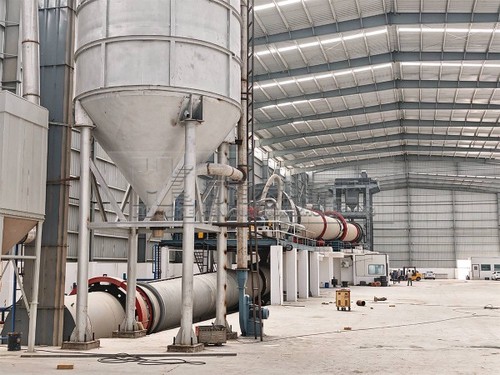
What sealing methods are used for chemical rotary kiln shells? How should fuel be selected? This article covers mainstream sealing types including fish-scale and spherical-conical face seals, and outlines fuel selection criteria for natural gas, electric heating, and alternative fuels based on thermal efficiency, temperature control accuracy, environmental compliance, and operating cost. Contact us for advice!
View Details -
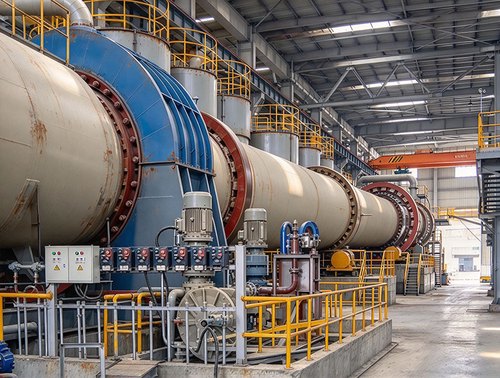
What material should be used for active lime rotary kiln shells? How to prevent corrosion? This article covers shell material requirements including high-temperature resistance, corrosion resistance, and mechanical strength, as well as anti-corrosion methods such as high-temperature coatings, refractory lining optimization, corrosion-resistant alloy selection, and regular inspection and maintenance. Contact us for advice!
View Details -
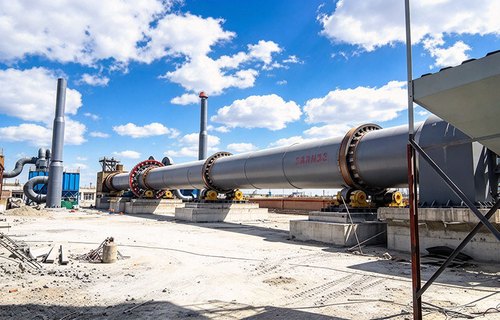
How to optimize the air duct of magnesium oxide rotary kilns? How to ensure product uniformity? This article systematically covers key points for stable improvement of magnesium oxide calcination quality – including air duct structural design, air volume ratio adjustment, airflow distribution uniformity, and calcination temperature field control. Contact us for solutions!
View Details -
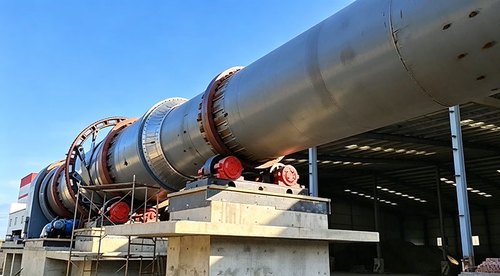
Why does the lining of lime rotary kilns fail frequently? This article systematically analyzes common damage forms and causes including thermal shock spalling, alkali salt attack, mechanical stress, and ring formation damage, and provides targeted preventive measures covering refractory material selection, installation processes, thermal operation, and kiln shell management. Contact us for solutions!
View Details -
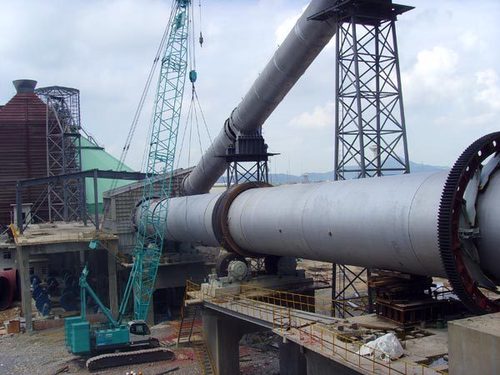
Poor sealing and preheater material collapse in active lime rotary kilns? This article covers sealing assurance measures including sealing type selection, structural design, material choice, and maintenance management, and analyzes the causes, diagnosis, and treatment of preheater material collapse. Contact us for solutions!
View Details -
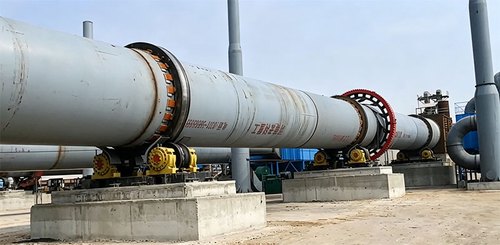
How often should refractory bricks be replaced in metallurgical rotary kilns? Why is kiln atmosphere control critical? This article systematically analyzes refractory brick wear mechanisms and replacement cycle criteria, and introduces the important influence of kiln atmosphere on lining life and metallurgical reaction performance, along with control key points. Contact us for solutions!
View Details -
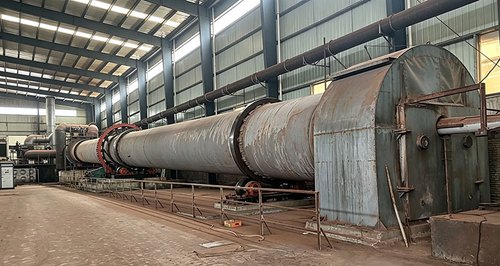
How to achieve uniform airflow distribution in zinc oxide rotary kilns? How to design a more effective combustion chamber? This article systematically analyzes the influence of airflow distribution on zinc volatilization rate and product quality, and introduces key points including combustion chamber structural design, air volume ratio, and burner arrangement. Contact us for solutions!
View Details -
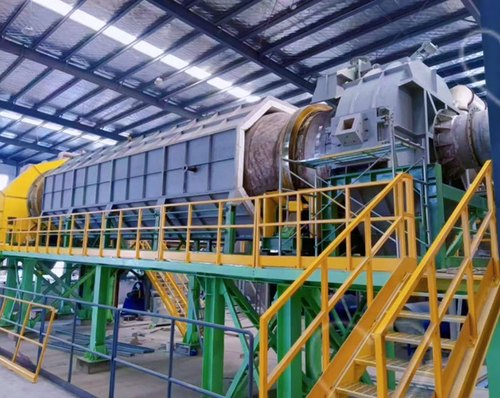
How to reduce shutdown time in chemical rotary kilns? How to ensure product purity? This article systematically covers key measures for continuous production and product purity assurance – including startup/shutdown optimization, temperature stability, atmosphere management, and lining and sealing maintenance. Contact us for solutions!
View Details -
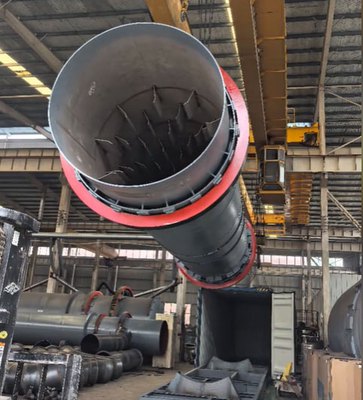
How to maintain strength and stability of metallurgical rotary kiln shells under high temperature and heavy loads? This article systematically covers shell structure design essentials including steel plate selection and wall thickness calculation, riding ring and support roller arrangement, shell deformation control, and welding processes – helping you improve equipment reliability. Contact us for solutions!
View Details -
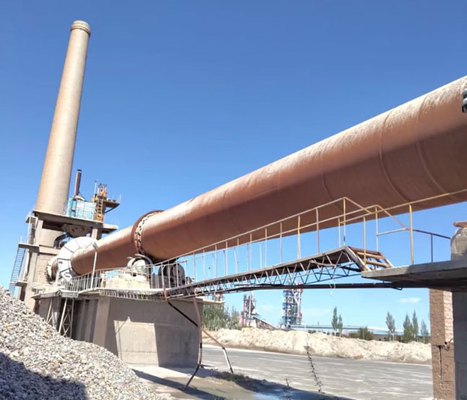
How to ensure consistent quality in gypsum calcination? This article systematically covers quality control points across the full process – from raw material homogenization, calcination temperature and time control, cooling and aging, to finished product testing – helping you stabilize product quality. Contact us for solutions!
View Details