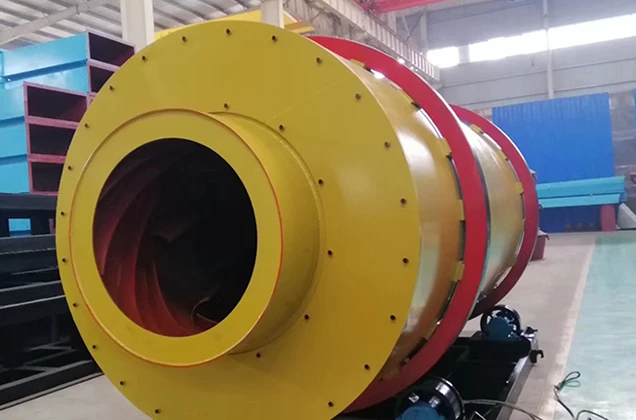


Industrial Rotary Kiln Structure and Wear Parts Breakdown
Henan Hongke Heavy Machinery Co., Ltd. is a Chinese manufacturer of industrial rotary kilns, rotary dryers, ball mills, crushers and complete production lines. Industrial rotary kilns work under high temperature, heavy load and continuous operation for long periods. Their structural design and wear part condition directly affect availability, heat consumption and maintenance cost. This article reviews the main structural components and wear parts of industrial rotary kilns, explains the function of each part, common wear causes and maintenance points, as a reference for equipment selection, operation and maintenance and spare parts management.
1. Main Structural Components of an Industrial Rotary Kiln
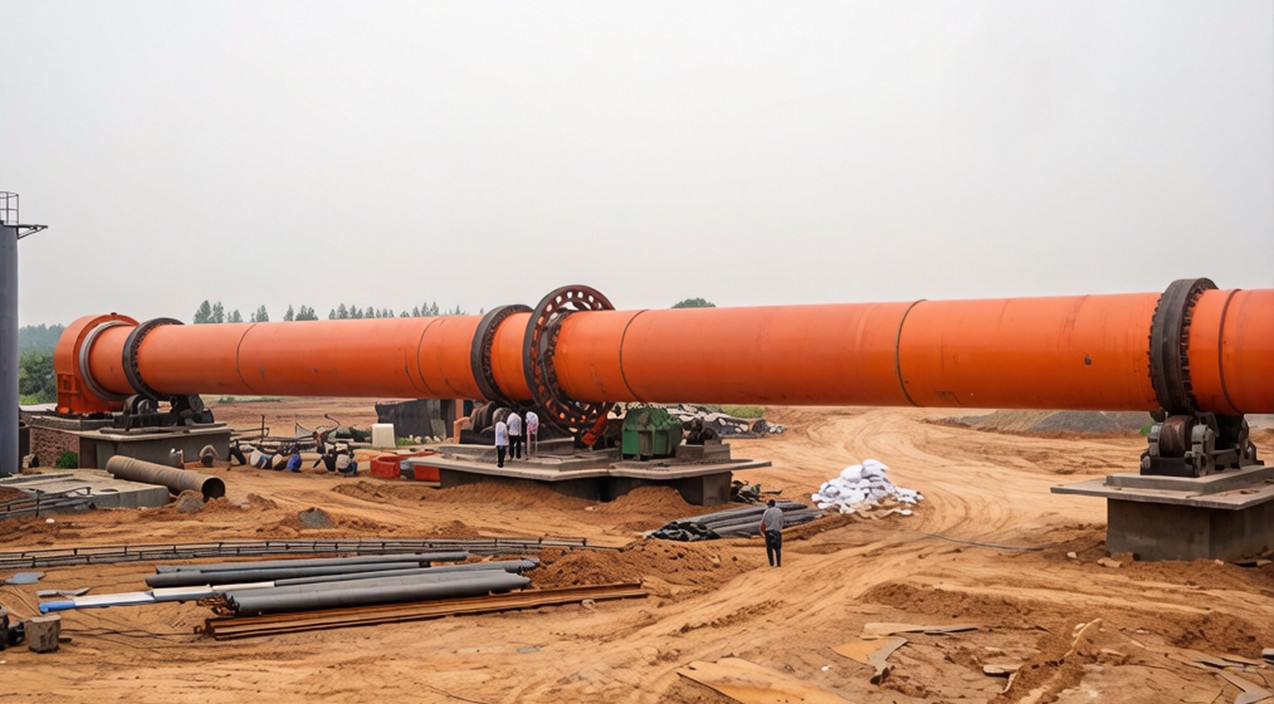
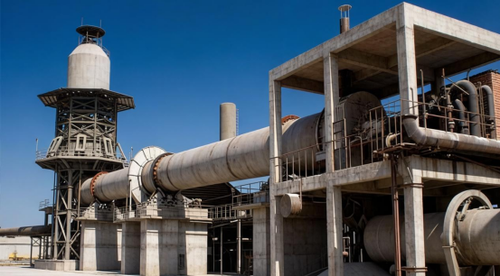
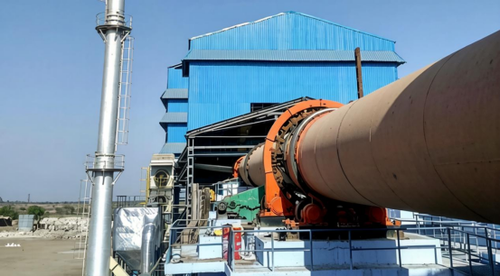
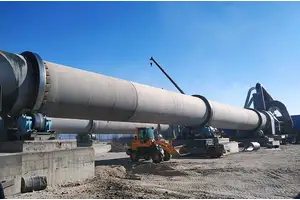
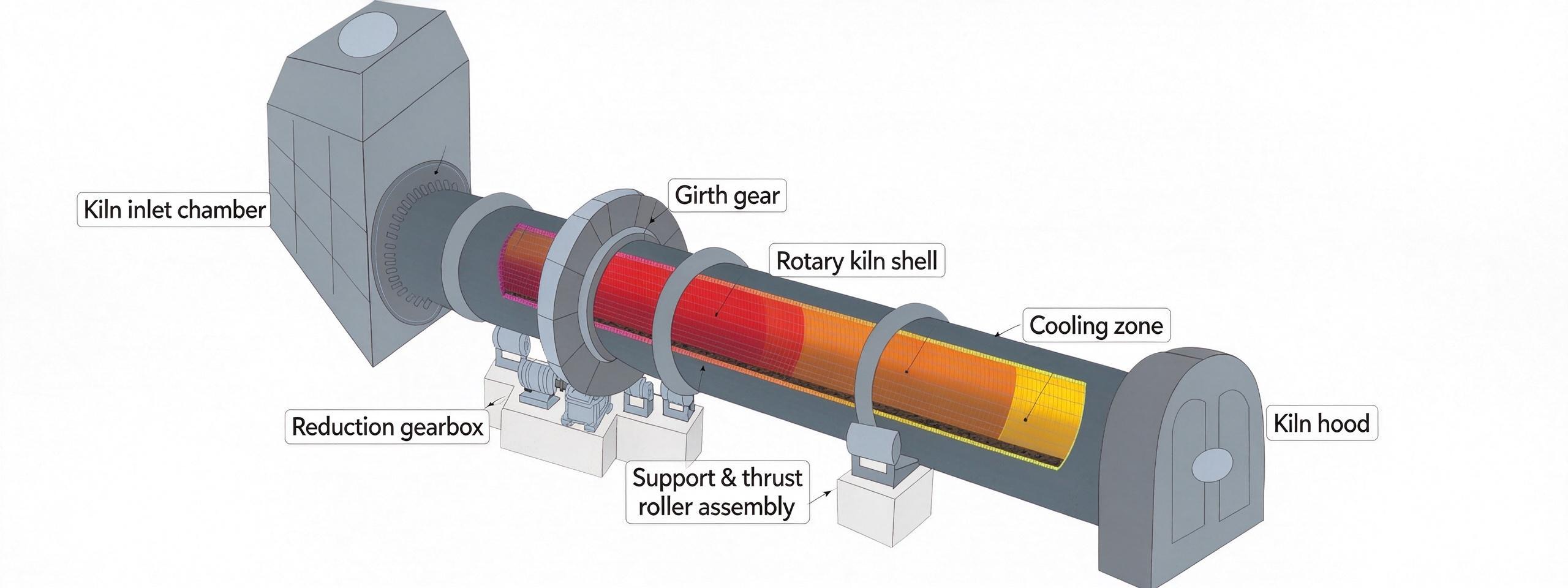
The mechanical structure of an industrial rotary kiln is built around one core need: stable rotation at high temperature. Main components include the shell, refractory, tyres, rollers, thrust rollers, drive assembly and seals.
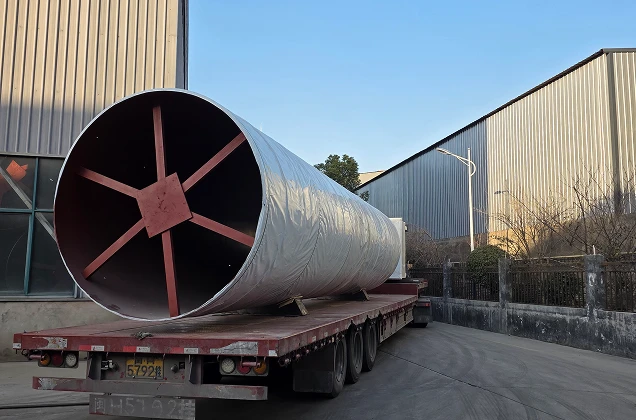
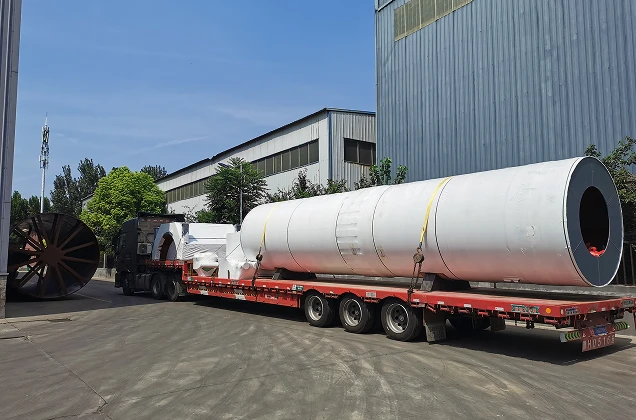
Shell is a cylindrical steel shell rolled and welded from steel plates and is the main body of the rotary kiln. The shell carries combined stress from rotation, thermal expansion, material weight and refractory weight. Its ovality and coaxiality directly affect the load condition of the tyres and rollers.
Refractory lining is on the inner side of the shell and is made of refractory bricks or castables. It protects the steel shell from high temperature and chemical attack. Refractory configuration should balance temperature resistance, heat insulation and service life.
Tyres / riding rings are large steel rings fitted around the shell. They transfer the shell load to the rollers. There is usually a gap between the tyre and the shell to allow for thermal expansion. The gap size affects shell ovality and tyre load.
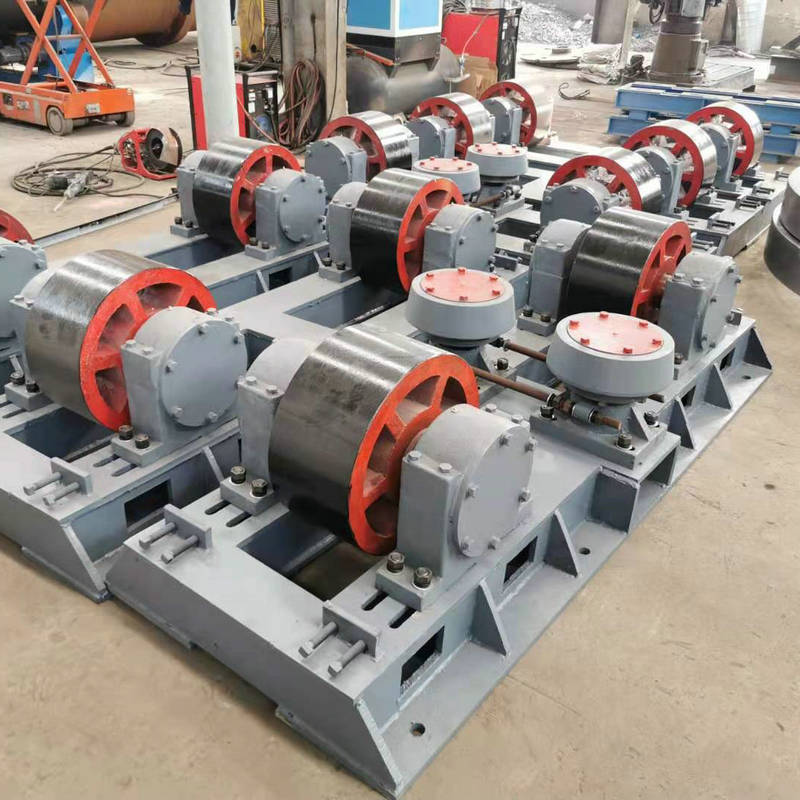
Rollers / trunnions support the tyres, carry the full weight of the kiln and allow rotation with very low friction. Roller installation accuracy, bearing condition and lubrication directly affect operation stability.
Thrust rollers limit axial movement of the kiln. Because the kiln is inclined, the material and kiln weight tend to slide downward. Thrust rollers keep the kiln in position.
Drive assembly usually consists of a girth gear, pinion, reducer and main motor. Some designs use direct roller drive. The drive assembly decides kiln rotation speed and speed control range.
Seals are located at the kiln inlet and outlet. They prevent cold air leakage and hot gas or dust escape and directly affect thermal efficiency and emission control.
2. Main Wear Parts of an Industrial Rotary Kiln
Wear parts of an industrial rotary kiln are mainly in areas exposed to high temperature, abrasion and alternating stress. Common wear parts include refractory, tyre and roller contact surfaces, girth gear and pinion, seals, kiln inlet protection plates and material lifting plates.
Wear Part | Main Function | Common Wear / Damage Cause | Maintenance Point |
|---|---|---|---|
Refractory lining | Protects shell, reduces heat loss | High-temperature erosion, chemical attack, thermal shock, installation quality | Check thickness and cracks regularly; replace by schedule |
Tyre and roller contact surface | Transfers load, supports rotation | Contact fatigue, poor lubrication, foreign matter | Check contact pattern and gap; keep lubrication |
Girth gear and pinion | Transmits torque, drives shell | Tooth surface wear, insufficient lubrication, installation deviation | Check tooth mesh and lubrication condition |
Kiln inlet and outlet seals | Prevents air leakage and dust escape | High-temperature wear, aging of graphite blocks or seal plates | Replace seal parts regularly; check air leakage |
Kiln inlet protection plate | Protects kiln inlet shell | High-temperature radiation, material erosion | Check deformation and burning; replace in time |
Material lifting plates | Turn material, improve heat exchange | Material abrasion, high-temperature oxidation | Check wear amount; replace in groups |
Roller bearings | Support roller rotation | Poor lubrication, seal failure, overload | Monitor temperature and vibration; add grease regularly |
The replacement cycle of the wear parts in the table depends on material properties, operating schedule, refractory quality and maintenance level. Specific cycles should be based on site inspection records.
3. Main Causes of Wear Part Damage
Wear part damage in an industrial rotary kiln is usually not caused by a single factor. Common causes include:
High temperature: refractory, kiln inlet protection plates and seals work at high temperature for long periods and are prone to burning, cracking and aging;
Material erosion: material tumbling and moving inside the kiln causes continuous wear on lifting plates, refractory and kiln inlet protection plates;
Alternating stress: shell rotation and thermal expansion create alternating stress, and tyres, rollers and shell welds are prone to fatigue;
Poor lubrication: insufficient lubrication of roller bearings, girth gear and pinion accelerates wear;
Installation deviation: tyre gap, roller position and gear mesh deviation affect load condition and shorten part life;
Seal failure: aging seals cause air leakage, increase heat consumption and affect kiln temperature stability.
4. Wear Part Management and Maintenance Suggestions
Wear part management for an industrial rotary kiln should cover selection, installation, operation and spare parts:
Selection stage: choose refractory material and wear part configuration according to material properties, calcination temperature and operating schedule, avoiding under-configuration or over-configuration;
Installation stage: control tyre gap, roller position, gear mesh and seal clearance. Installation quality directly affects wear part life;
Operation stage: monitor roller bearing temperature, kiln shell vibration, air leakage and refractory surface condition, and deal with abnormalities in time;
Spare parts management: build a wear parts list and replacement record, stock refractory, seals and drive spare parts by schedule, and reduce unplanned downtime.
5. FAQ
Q1: What are the most easily worn parts of an industrial rotary kiln?
Refractory lining, kiln inlet and outlet seals, material lifting plates and the tyre and roller contact surfaces are wear concentration areas. The specific wear order and speed depend on material properties, operating temperature and maintenance level.
Q2: Why is a gap needed between the tyre and the roller?
The gap between the tyre and the shell is designed to allow thermal expansion of the shell. Too small a gap restricts thermal expansion and increases shell stress. Too large a gap increases shell ovality and affects the contact condition between tyre and roller. The gap should be adjusted according to design requirements and operating temperature.
Q3: How often should rotary kiln refractory be replaced?
Refractory replacement cycle depends on refractory material, calcination temperature, material properties, start-stop frequency and installation quality. There is no fixed cycle. Regular thickness measurement and surface inspection should be used to decide replacement timing, and inspection records should be kept.
Q4: Can Henan Hongke provide rotary kiln wear parts and spare parts?
Yes. Henan Hongke can supply refractory, tyres, rollers, girth gears, pinions, seals, kiln inlet protection plates and material lifting plates, together with installation guidance and maintenance suggestions. For more information, see spare parts and after-sales service.
6. Need a Rotary Kiln Wear Parts List or Spare Parts Proposal? Contact Henan Hongke
If you are operating an industrial rotary kiln, or if you need structure configuration advice, a wear parts list and a spare parts supply proposal, please send the following information to Henan Hongke:
Kiln type and size, processed material and calcination temperature;
Operating schedule, start-stop frequency and running time;
Current wear condition and replacement records of wear parts;
Spare part name, specification and quantity to purchase;
Project location and required delivery time.
Henan Hongke will provide structure configuration advice, a wear parts list and a spare parts supply proposal based on the project conditions. Please use contact Hongke to send your requirements, or visit our products page to learn more about rotary kiln products.