

Jaw Crusher vs Impact Crusher: How to Choose for Primary Crushing
Henan Hongke Heavy Machinery Co., Ltd. is a Chinese manufacturer of industrial rotary kilns, rotary dryers, ball mills, crushers and complete mineral processing production lines. Jaw crushers and impact crushers are two common types of equipment used in primary rock crushing, but their working principles, suitable materials and output characteristics differ clearly. This article compares them in terms of working principle, feed conditions, product shape, wear part consumption and application scenarios, as a reference for primary crusher selection.
1. Difference in Working Principle
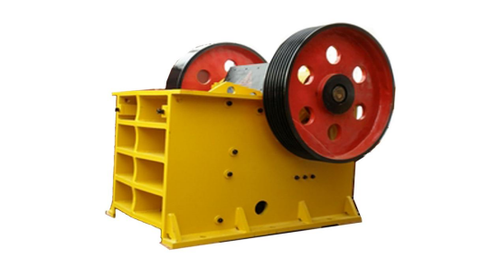
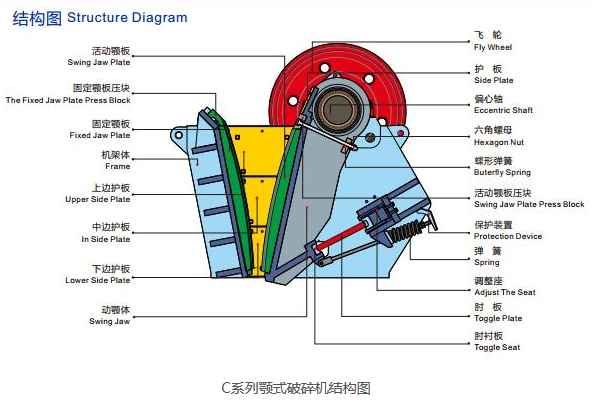
A jaw crusher is a compression-type crusher. Material enters the crushing chamber formed by a fixed jaw plate and a movable jaw plate. The movable jaw plate moves periodically toward and away from the fixed jaw plate, applying compression, bending and splitting force to the material. The broken material is discharged from the discharge opening. The crushing ratio of a jaw crusher is generally 4–8, and it is suitable for large, hard materials.
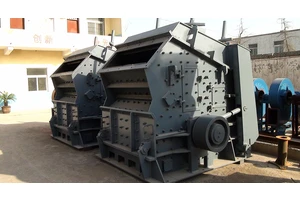
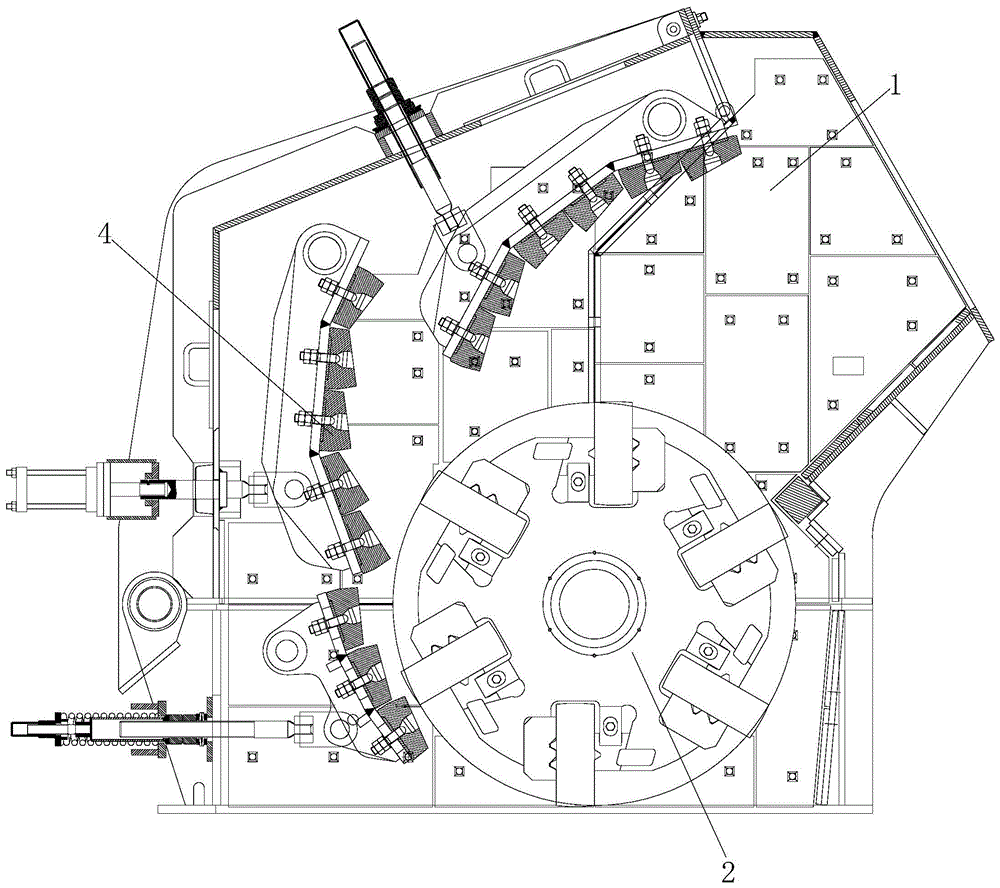
An impact crusher is an impact-type crusher. After material enters the crushing chamber, it is hit by the blow bars on a high-speed rotating rotor and thrown against the impact plates for further impact. The material is broken by repeated impacts between the blow bars, impact plates and other material. The crushing ratio of an impact crusher can reach 10–20, and the product shape is better, but it is more sensitive to material hardness and abrasiveness.
2. Feed Conditions and Suitable Materials
A jaw crusher has a large feed opening and can handle rock with a relatively large maximum feed size. It is suitable for materials with high compressive strength, such as granite, basalt, river pebble, iron ore and limestone. Because it uses compression crushing, a jaw crusher adapts relatively well to material moisture and stickiness and is less likely to block.
An impact crusher has a relatively smaller feed size and is suitable for materials with medium compressive strength and low abrasiveness, such as limestone, dolomite, shale and coal gangue. For high-hardness and high-abrasiveness materials, the blow bars and impact plates wear faster, and operating cost rises clearly.
Comparison Item | Jaw Crusher | Impact Crusher |
|---|---|---|
Crushing method | Compression, bending, splitting | High-speed impact, repeated striking |
Crushing ratio | 4–8 | 10–20 |
Maximum feed size | Relatively large | Relatively small |
Suitable hardness | Good adaptability to hard materials | Better for medium-low hardness and low abrasiveness |
Product shape | More needle-like and flaky particles | Better shape, fewer edges |
Wear part consumption | Jaw plate wear relatively controllable | Blow bars and impact plates wear faster |
Moisture adaptability | Relatively good | Easy to block at high moisture |
Common use | Primary crushing | Secondary or tertiary crushing, or second stage after primary crushing |
3. Product Shape and Downstream Process Matching
Jaw crusher output is mainly needle-like, flaky and angular particles, and the output size is adjusted through the discharge opening. Because the crushing ratio is limited, a jaw crusher is usually used as primary crushing equipment, and its output goes to a cone crusher, impact crusher or ball mill for further crushing or grinding.
Impact crusher output has better shape, fewer edges and a higher proportion of cubic particles, which suits aggregate production with product shape requirements. However, an impact crusher is more suitable as secondary or tertiary crushing equipment. If it is used directly for primary crushing of hard rock, wear part consumption and operating cost should be carefully evaluated.
4. Wear Part Consumption and Operating Cost
The main wear part of a jaw crusher is the jaw plate, and wear speed depends on material hardness and abrasiveness. Jaw plates can usually be turned over for continued use, replacement is relatively convenient, and operating cost is easier to control.
The main wear parts of an impact crusher are the blow bars and impact plates. Under hard materials, they wear faster and need more frequent replacement. Blow bar replacement requires stopping the machine, and spare part cost and maintenance workload should be included in the operating cost calculation.
5. Primary Crushing Selection Suggestions
Primary crusher selection should consider material properties, feed size, target output, product shape and operating cost together:
Primary crushing of hard, large rock: a jaw crusher is preferred, as wear part consumption and operation stability are more controllable;
Medium-low hardness with product shape requirements: an impact crusher can be considered, but wear part consumption should be evaluated;
Need for a larger crushing ratio and fewer downstream stages: an impact crusher offers a larger crushing ratio, but care is needed when primary crushing hard materials;
Material with high moisture or stickiness: a jaw crusher adapts better, while an impact crusher is more likely to block;
Complete production line configuration: a jaw crusher is often used as the first-stage primary crusher, and an impact crusher or cone crusher as the second stage. The specific configuration should be decided by material and product requirements.
6. FAQ
Q1: Can a jaw crusher replace an impact crusher for secondary or fine crushing?
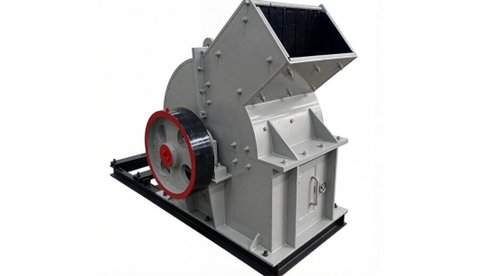
A jaw crusher is mainly used for primary crushing, and its product shape and crushing ratio are limited. It is generally not suitable to directly replace an impact crusher for secondary or fine crushing. Secondary and fine crushing usually use an impact crusher, cone crusher or hammer crusher.
Q2: Can an impact crusher be used for primary crushing of hard rock?
It can, but it is not recommended as the first choice. Hard rock accelerates blow bar and impact plate wear and increases spare part cost and downtime. Primary crushing of hard rock usually gives priority to a jaw crusher.
Q3: How are jaw crushers and impact crushers used together?
A common configuration uses a jaw crusher for first-stage primary crushing, and the output goes to an impact crusher or cone crusher for second-stage crushing, combined with a vibrating screen in a closed circuit. The specific configuration should be decided by rock properties, output and product shape requirements.
Q4: Can Henan Hongke provide crusher selection and complete configuration?
Yes. Henan Hongke can provide jaw crushers, impact crushers, cone crushers, vibrating screens and complete crushing production line configuration, together with installation guidance and commissioning training. For more information, see spare parts and after-sales service.
7. Planning a Rock Crushing Project? Contact Henan Hongke
If you are planning primary rock crushing or a complete crushing production line, or if you need a comparison between jaw crushers and impact crushers, please send the following information to Henan Hongke:
Rock type, Mohs hardness and compressive strength;
Maximum feed size and target output size;
Target output and operating schedule;
Product shape requirements and downstream process;
Project location, power supply conditions and environmental requirements.
Henan Hongke will provide a preliminary primary crusher selection suggestion and configuration proposal based on the project conditions. Please use contact Hongke to send your requirements, or visit our products page to learn more about crushing equipment products.