

Lime Rotary Kiln: Raw Material, Fuel Selection and Capacity Drop Causes
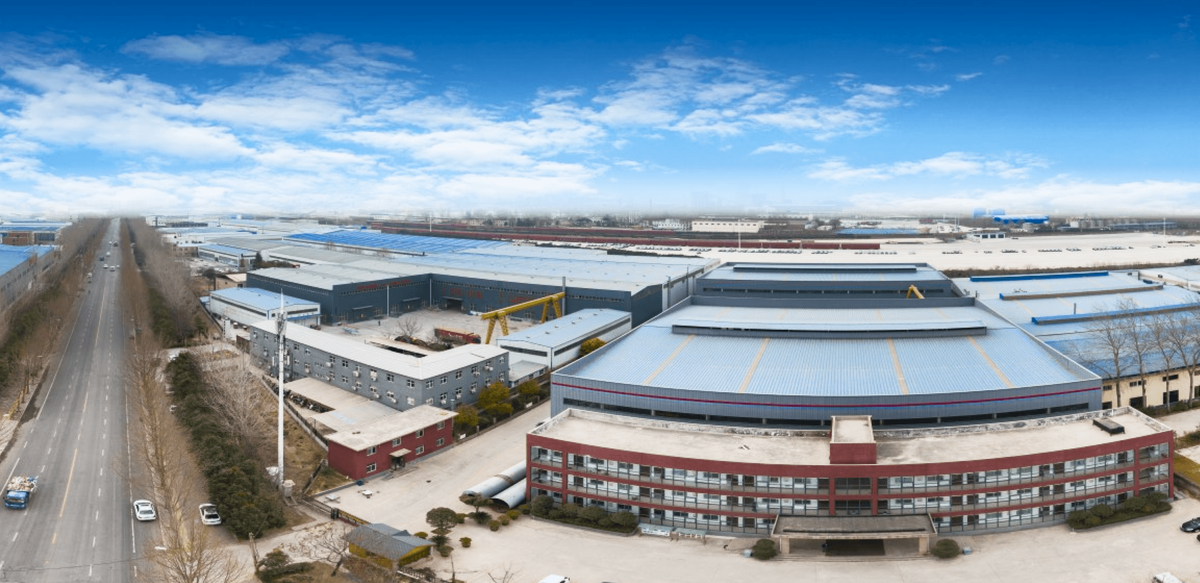
Henan Hongke Heavy Machinery Co., Ltd. is a Chinese manufacturer of industrial rotary kilns, rotary dryers, ball mills, crushers and complete production lines. The company’s technical team has prepared the following analysis on raw material and fuel selection for lime rotary kilns and the common causes of capacity drop. It is intended as a reference for lime calcination project selection and operation checks.
1. How to Select Raw Materials for a Lime Rotary Kiln
Raw material selection directly affects calcination temperature, product reactivity and stable kiln operation. The main points to check are:
Limestone particle size: If the particle size is too large or too small, it affects material retention time and calcination uniformity. The size range should be decided by kiln type, capacity and preheating system.
Limestone composition: Calcium carbonate content and impurities such as silica, alumina and iron affect calcination temperature and product purity. A composition test should be done before the material enters the kiln.
Limestone strength: Material that is too weak may create too much fine powder in the kiln and affect air flow and calcination. Material that is too strong may need more calcination time.
Feed moisture: High moisture increases heat consumption and affects output and kiln stability.
Impurities and fusible materials: High fusible content may cause ringing and lumping and affect long-term operation.
Raw Material Point | Main Effect | Selection / Operation Suggestion |
|---|---|---|
Limestone particle size | Calcination uniformity, material retention time | Set the size range by kiln type and capacity; reduce oversize and fine material |
Calcium carbonate content | Product purity, calcination temperature | Test composition before feeding; blend according to target product指标 |
Silica, alumina and iron impurities | Ringing, lumping, product quality | Control impurity content; blend when necessary |
Feed moisture | Heat consumption, output, kiln condition | Control feed moisture; add drying if needed |
Fusible content | Long-term operation stability | Control fusible content; monitor ringing risk |
2. How to Select Fuel for a Lime Rotary Kiln
Common fuels for lime rotary kilns include coal, natural gas and mixed gas. Fuel selection should consider local supply, heating value, combustion control and environmental requirements.
Coal: Check heating value, ash, volatile matter and moisture. Coal fineness and burner adjustment affect flame shape and temperature distribution.
Natural gas: Heating value is stable and adjustment is easy, but cost depends on local gas price. The combustion system should be configured for natural gas.
Mixed gas or by-product gas: Heating value may fluctuate. Heating value monitoring and combustion control are needed to avoid kiln temperature fluctuation.
Fuel and kiln type matching: Different kiln types and burners have different fuel ranges. Fuel parameters should be included in the design of the kiln, burner and dust control system.
Fuel Type | Main Points | Effect on Operation |
|---|---|---|
Coal | Heating value, ash, volatile matter, moisture, coal fineness | Affects flame shape, calcination temperature and ringing risk |
Natural gas | Heating value stability, gas price, burner configuration | Easy to adjust; needs matching combustion system and safety interlock |
Mixed gas / by-product gas | Heating value fluctuation, composition change | Needs heating value monitoring and combustion control to prevent temperature fluctuation |
Fuel and kiln type matching | Burner range, kiln design | Mismatch may cause capacity drop or shorter refractory life |
3. What May Cause Equipment Capacity to Drop?
A capacity drop in a lime rotary kiln usually has more than one cause. Check raw materials, fuel, kiln condition, equipment and operation.
3.1 Raw material changes
Limestone particle size becomes larger or fine material increases;
Feed moisture increases;
Limestone composition changes and impurities or fusible materials increase;
Feed rate is unstable or the feeding system is blocked.
3.2 Fuel and combustion problems
Fuel heating value drops or fluctuates;
Coal fineness becomes coarser and combustion is incomplete;
Burner position or air volume ratio changes;
Primary air and secondary air ratio is not reasonable.
3.3 Ringing or lumping in the kiln
High fusible content causes ringing;
Calcination temperature is too high or flame shape is not reasonable;
Ringing reduces the air flow area and capacity drops.
3.4 Equipment and sealing problems
Air leakage at kiln inlet and outlet seals;
Unstable drive system and speed fluctuation;
Refractory wear or fall-off increases heat loss;
Dust control or induced draft system resistance increases.
3.5 Operation and control system
Temperature control is unstable;
Kiln speed and feed rate do not match;
Control parameters are not set properly;
Instrument deviation is not calibrated in time.
Capacity Drop Check Area | Common Signs | Check Suggestion |
|---|---|---|
Raw material changes | More fines, higher moisture, composition fluctuation | Test particle size, moisture and composition; stabilize feeding |
Fuel and combustion | Abnormal flame, kiln temperature fluctuation, incomplete combustion | Check heating value, coal fineness, air ratio and burner |
Ringing in kiln | Poor air flow, gradual capacity drop | Check ringing position; adjust temperature and raw material blend |
Equipment and sealing | Air leakage, speed fluctuation, refractory heat loss | Check seals, drive, refractory and draft system |
Operation and control | Parameter fluctuation, feed and kiln speed mismatch | Calibrate instruments; optimize control parameters and operation rules |
4. What to Check First When Capacity Drops
A practical order is: check raw material and fuel first, then kiln condition and equipment, and finally operation and control. First confirm whether limestone particle size, moisture and composition have changed. Then check fuel heating value and combustion. Next check whether there is ringing in the kiln, air leakage at seals and refractory wear. Finally check control parameters and instrument readings. If capacity drop comes with product quality fluctuation, also check calcination temperature and material retention time.
5. FAQ
Q1: Is larger limestone particle size better for a lime rotary kiln?
No. Material that is too large may not be fully calcined. Material that is too small or contains too many fines may affect air flow and kiln condition. The size range should be decided by kiln type, capacity and preheating system.
Q2: Can fuel be selected by heating value alone?
No. Besides heating value, check ash, volatile matter, moisture, combustion characteristics and environmental requirements. Also confirm whether the burner and kiln type can adapt to the fuel.
Q3: What should be checked first when capacity drops?
Check raw material particle size and moisture, fuel heating value and combustion first. Then check ringing, seal air leakage and refractory condition. Finally check operation parameters and instruments.
Q4: Can Henan Hongke provide lime rotary kiln selection and operation support?
Yes. Henan Hongke can provide lime rotary kiln selection, complete equipment supply, installation guidance, commissioning training and spare parts. For more information, see spare parts and after-sales service.
6. Planning a Lime Rotary Kiln Project? Contact Henan Hongke
If you are planning a lime rotary kiln production line, or if you have capacity drop or raw material and fuel matching problems, please send the following information to Henan Hongke:
Limestone particle size, composition and feed moisture;
Target daily output and product reactivity requirement;
Fuel type, heating value and supply conditions;
Existing kiln type, burner and dust control configuration;
Specific signs of capacity drop and operation parameters.
Henan Hongke will provide a preliminary selection suggestion and operation troubleshooting support based on the project conditions. Please use contact Hongke to send your requirements, or visit our products page to learn more about rotary kiln products.