

Cooling Methods for Metallurgical Rotary Kilns and the Role of the Preheating Zone
In the thermal system of a metallurgical rotary kiln, cooling methods and the preheating zone correspond respectively to two directions: "how heat is removed" and "how heat is recovered." The cooling stage determines whether high-temperature discharged materials can be safely cooled and whether the kiln shell can be protected. The preheating zone determines whether kiln tail waste heat can be effectively utilized and whether feed materials can enter the reaction zone in a better condition. Together they form the key links of the kiln system's thermal efficiency.
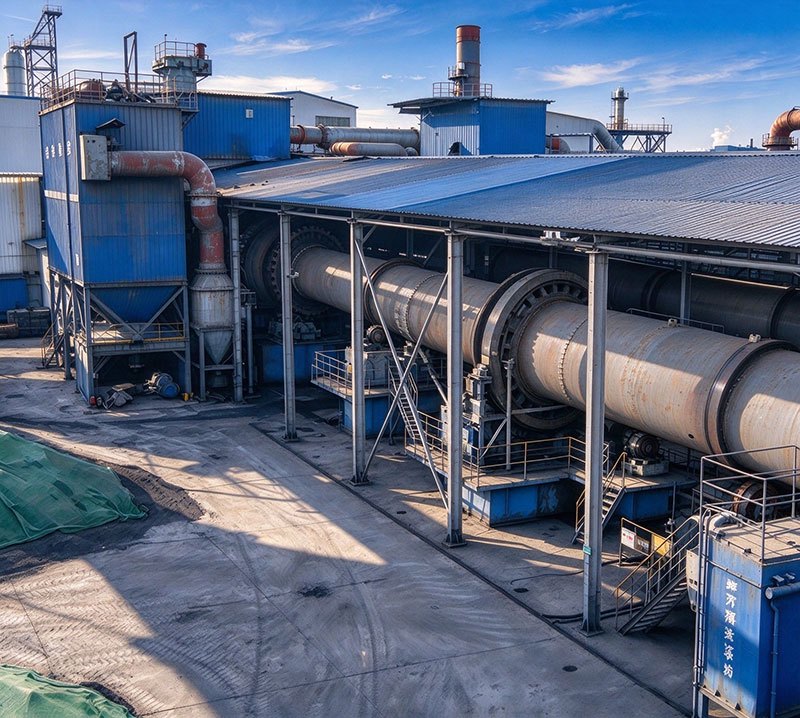
I. Cooling Methods for Metallurgical Rotary Kilns
The cooling requirements of metallurgical rotary kilns involve two levels: cooling of discharged materials and cooling of the kiln shell itself. The purposes and methods of the two differ.
1. Cooling of Discharged Materials
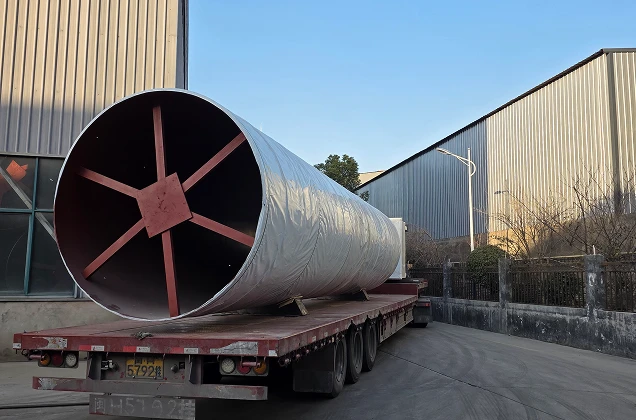
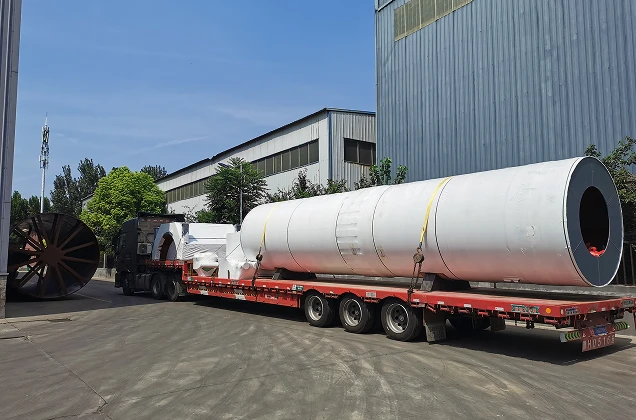
Rotary coolers (single-shell coolers) are the most common supporting equipment for metallurgical rotary kilns. High-temperature materials enter the inclined rotating cooling cylinder from the kiln head, exchange heat with cold air flowing in counter-current, and the cooled material is discharged. The heated air can be returned to the kiln as secondary combustion air, achieving heat recovery.
Planetary coolers are another classic structure. Multiple cooling tubes are arranged in a "planetary" manner around the kiln shell and rotate together with it. Material enters each cooling tube from the kiln head, and cooling air flows upward from the tube bottom in counter-current, exchanging heat with the material before entering the kiln. This structure is compact with relatively high heat recovery efficiency, but the arrangement and maintenance of cooling tubes are relatively complex.
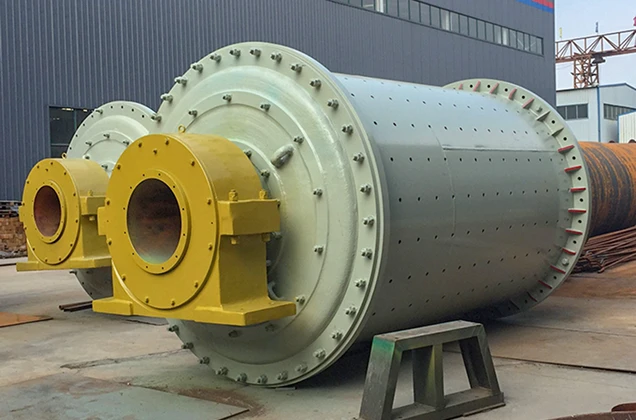
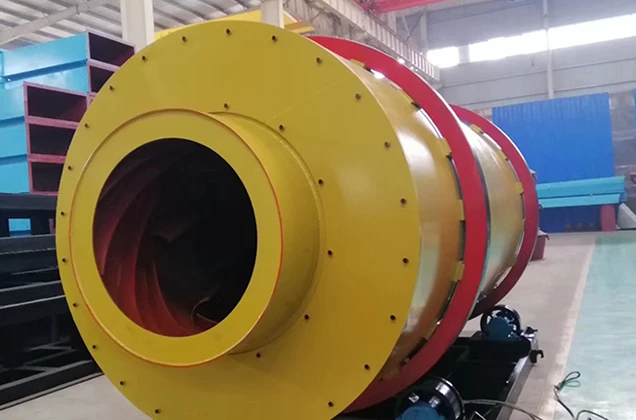
Rotary drum slag coolers have seen increased application in indirect cooling in recent years. Unlike direct air cooling, indirect cooling exchanges heat through cooling wall surfaces, and the cooling medium does not directly contact the material. This method is environmentally friendly and pollution-free, suitable for scenarios with requirements on material quality or atmosphere.
For special operating conditions, there is also water spray cooling as an emergency method. When the temperature of a certain section of the kiln shell rises abnormally and material adhesion may occur, controlled water spray devices can cool the outer wall of the shell, reducing the inner wall temperature below the material adhesion temperature to prevent ring formation and excessive refractory wear. However, this is usually an auxiliary or emergency measure rather than the main cooling method in normal production.
2. Cooling of the Kiln Shell
The kiln shell operates in a high-temperature environment over the long term, and steel plate strength decreases as temperature rises, thereby affecting its support of internal refractory materials. Common shell cooling methods include:
Natural air cooling is the conventional method, relying on ambient air to dissipate heat from the shell surface. However, when ambient temperatures are high or the kiln thermal load is large, natural cooling effectiveness is limited.
Forced air cooling devices use an enclosed hood around the kiln exterior, with exhaust fans forcibly drawing external air and blowing it onto the shell surface to accelerate heat exchange. This device can effectively reduce shell surface temperature, prevent steel plate strength reduction, reduce cyclic creep caused by high temperature, and thereby extend the service life of internal refractory materials.
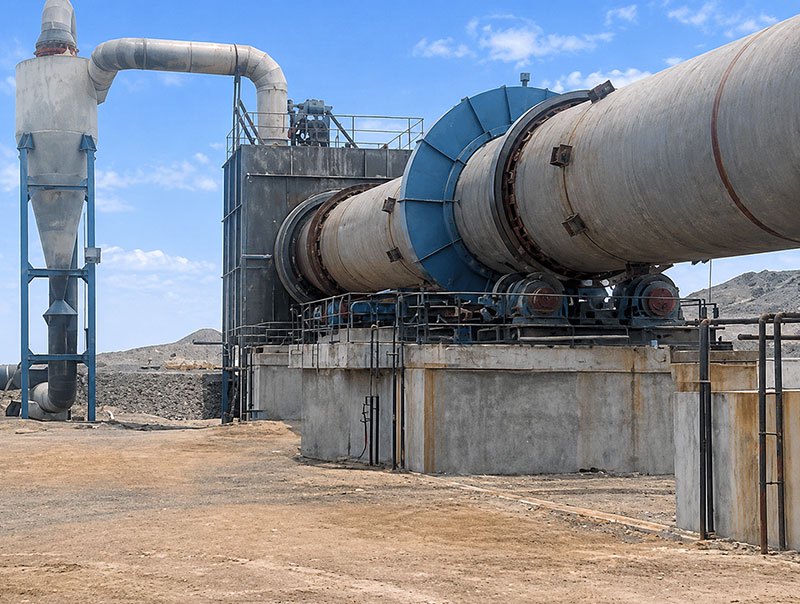
II. The Role of the Rotary Kiln Preheating Zone
The preheating zone is located at the kiln tail feed end and is the necessary stage before materials enter the high-temperature reaction zone. Its core role can be understood from three levels.
1. Recover Kiln Tail Waste Heat and Reduce System Energy Consumption
The high-temperature flue gas discharged from the rotary kiln tail is typically between 800-1,050°C. If discharged directly, this sensible heat would be completely lost. The preheating zone (usually in the form of a shaft preheater or cyclone preheater system) uses this high-temperature flue gas to heat the feed material in counter-current, transferring flue gas heat to the material and significantly reducing the final discharge temperature. Data shows that the preheater exhaust flue gas temperature after sufficient heat exchange can be reduced to around 180-240°C. This process directly reduces fuel consumption and is a key link in improving the kiln system's thermal efficiency.
2. Complete Preliminary Physical and Chemical Changes of Materials
The preheating zone is not just "heating"—materials undergo important physical and chemical changes at this stage. Taking limestone as an example, in the preheating zone, materials are heated to near the decomposition temperature, and calcium carbonate begins to partially decompose. Patented technology indicates that through rational design within the preheater, a certain proportion of pre-decomposition can be completed before materials enter the rotary kiln. For metallurgical materials (such as laterite nickel ore and oxidized pellets), the preheating zone also serves to remove free water and crystal water and to initiate preparatory work for the reduction reaction. Materials entering the kiln at higher temperatures and in a more fully reaction-ready state can effectively shorten residence time in the burning zone and increase kiln output.
3. Stabilize Feed Material Condition and Protect Kiln Operation
The preheating zone also serves a buffering and stabilizing function. Materials are uniformly heated and dispersed in the preheating zone, preventing cold, wet materials from directly entering the high-temperature kiln shell and causing thermal shock. At the same time, the material seal structure of the preheater prevents cold air from intruding from the kiln tail, maintaining stable atmosphere inside the kiln. For metallurgical rotary kilns, atmosphere stability directly relates to the selectivity of reduction reactions and product quality, and the sealing and stable operation of the preheating zone are prerequisites for a controllable thermal regime inside the kiln.
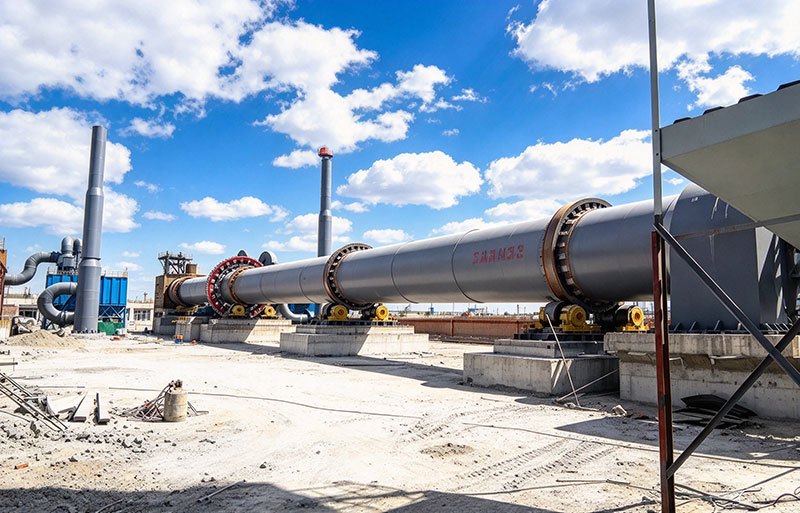
Cooling and preheating in metallurgical rotary kilns are essentially bidirectional management of the "outlet" and "inlet" of heat. The cooling stage safely removes excess heat from discharged materials and the kiln shell while recovering as much as possible. The preheating zone "feeds" kiln tail waste heat back to the feed materials, reducing energy consumption while improving material condition. Only when the two work together can the thermal efficiency of the kiln system reach its optimum within safe boundaries.
Henan Hongke Heavy Industry's mineral processing equipment enjoys significant competitive advantages in the industry. We provide one-stop full-chain services covering pre-sales consultation, in-process follow-up, and after-sales support, ensuring every customer buys with confidence and uses with peace of mind. Click Customer Service Consultation to leave us a message. You are welcome to visit Henan Hongke for on-site inspection and business negotiation. We will provide you with professional solutions and quotations!