

High Energy Consumption and Serious Air Leakage in Ceramsite Sand Rotary Kilns? Sealing Optimization and Waste Heat Recovery Are Key
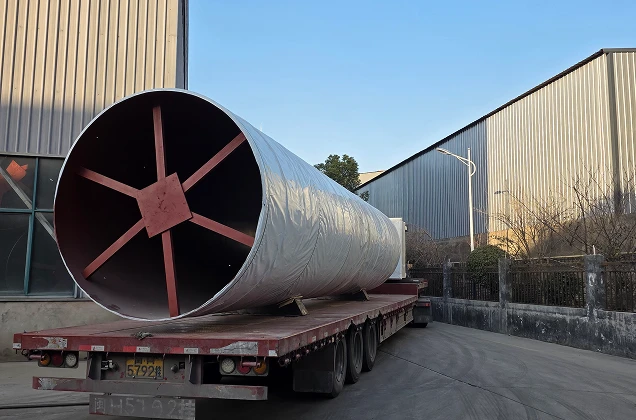
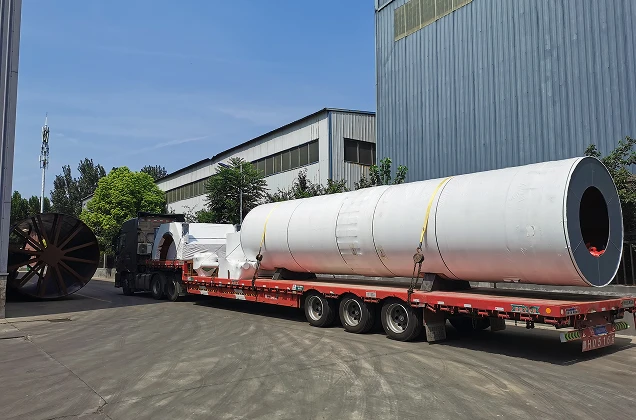
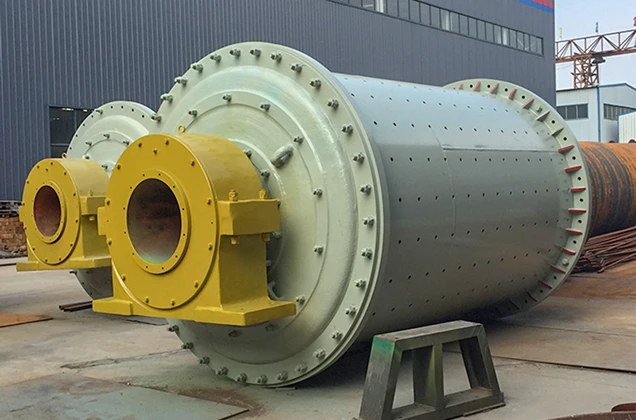
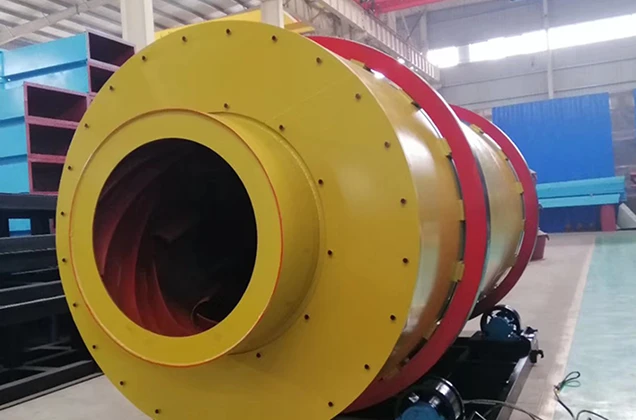
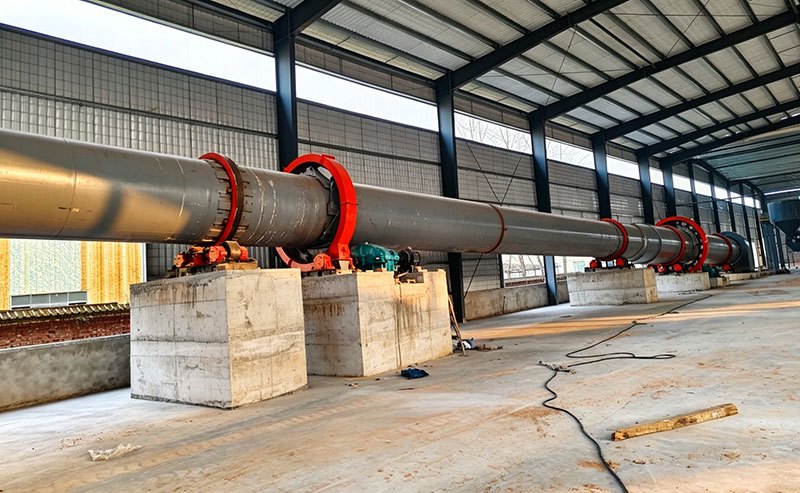
In ceramsite sand production lines, the rotary kiln is the most energy-intensive piece of equipment. Many producers report the same problems: high kiln tail flue gas temperatures, hot kiln shell surfaces, stubbornly high coal consumption, and difficulty in improving both output and quality at the same time. After in-depth investigation, the root causes often point in the same direction—insufficient sealing performance and low heat utilization efficiency.
These two problems are not isolated. When sealing fails, large amounts of cold air infiltrate into the kiln, the burning zone temperature drops sharply, and operators are forced to increase coal feed to compensate. At the same time, large amounts of waste heat carried by high-temperature flue gas and discharged ceramsite are not effectively recovered and are directly released into the atmosphere. With heat lost at both ends, energy consumption naturally remains high.
So how can the sealing performance of a ceramsite sand rotary kiln be improved? And how can waste heat be effectively utilized? Below are key technical paths summarized from industry practice.
I. Sealing Performance: First Identify the "Weak Points" of Air Leakage
Unlike cement kilns, ceramsite sand rotary kilns face three special sealing challenges:
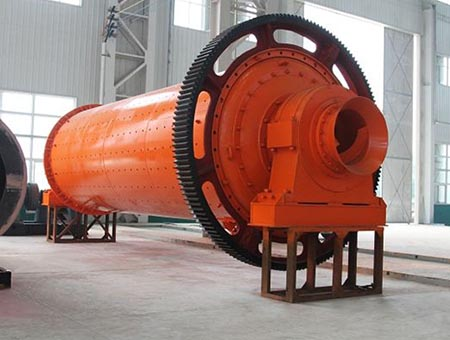
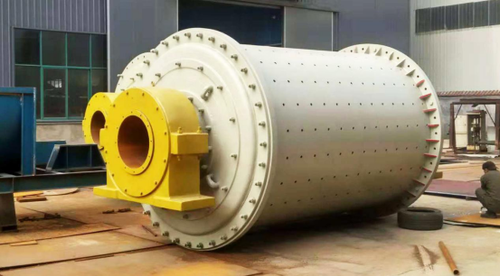
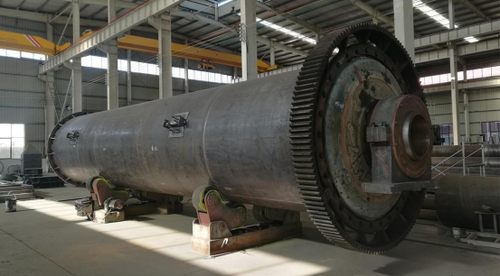
First, relative rotation between large and small kiln shells. Ceramsite sand rotary kilns often adopt a structure in which a large kiln shell is connected to a small kiln shell. The two rotate asynchronously, leaving relatively large gaps at the ends, making air and material leakage particularly prominent.
Second, dynamic runout and axial movement of the shell. During operation, the kiln shell inevitably produces radial runout and axial movement. A single sealing form can hardly adapt to such dynamic deviations, and sealing components are prone to wear or loss of contact.
Third, fine sand and powdery material characteristics. Ceramsite sand product has fine particle size and strong flowability. Under positive pressure at the kiln head, it easily leaks through sealing gaps and accumulates between sealing components and the shell, accelerating seal wear and forming a vicious cycle.
At present, mainstream sealing forms in the industry include leaf-type labyrinth seals, graphite block seals, cylinder/spring pressed end-face seals, and composite seals. For ceramsite sand rotary kilns, the kiln head has high temperature and relatively little dust, so graphite block radial seals or composite leaf seals can be preferred. The kiln tail has high dust content and large airflow fluctuations, so thickened wear-resistant composite leaf seals or flexible composite seals should be selected, and brittle graphite seals should not be used.

II. Three Technical Paths for Sealing Optimization
Path 1: Adopt dynamically compensating sealing structures.
The pain point of traditional seals is that once the sealing components wear, they cannot automatically compensate, and the gap gradually expands. To solve this problem, a spring-adaptive sealing disc structure can be adopted—sealing discs are installed at the ends of the large and small kiln shells respectively, and springs push the sealing body to always fit tightly against the contact surface. Even if the sealing components wear, the springs automatically compensate the gap and maintain continuous contact. A similar approach is the conical surface dynamic compensation seal, in which a compensation mechanism continuously pushes a conical sleeve against a conical surface, automatically compensating after wear.
Path 2: Add a double-layer air-locking reflux structure.
To address fine powder leakage at the kiln head, a double-layer air-locking reflux plate can be added on the basis of traditional leaf seals. The first layer of reflux plate is installed at the bottom end of the L-shaped steel plate ring sleeve, and the second layer is installed inside the leaf seal plate. Both have elasticity. When the shell moves up and down, the reflux plates quickly fit against the outer surface of the shell, using a small amount of material to form a blocking layer on the shell surface. This greatly reduces fine powder leakage through the gap between the leaf seal and the shell, while also reducing the wear rate of the leaf seal.
Path 3: Optimize installation and maintenance systems.
The installation quality of sealing devices has a great impact on their performance. During installation, it is necessary to ensure the roundness and support strength of the fixed flanges and skeleton seal rings of the kiln head hood and kiln tail hood. The clearance of labyrinth seals should be sufficient to ensure no collision occurs during shell axial movement and runout. The tightness of springs or counterweights should be adjusted appropriately. For daily maintenance, the sealing fit status should be inspected daily, sealing laminations and fasteners should be checked quarterly, and aging and worn sealing components should be fully replaced during annual shutdown maintenance.
III. Heat Utilization Rate: Three Major Heat Loss Links
The heat loss of a ceramsite sand rotary kiln is mainly reflected in three links:
Kiln tail flue gas heat loss. The flue gas discharged from the kiln tail usually has a high temperature and carries a large amount of sensible heat directly into the atmosphere. Unburned CO and volatiles in the flue gas also carry away chemical heat.
Discharged ceramsite heat loss. The calcined ceramsite leaves the kiln at about 1000°C, releasing a large amount of heat during cooling to ambient temperature. Although traditional drum coolers can recover part of the heat as secondary air, the utilization rate is low, and they occupy a large area with high engineering costs.
Kiln shell surface heat dissipation. The shell surface temperature in the high-temperature section can reach 300-500°C. If brick joints are too large or filling materials are of poor quality, the surface temperature can even reach 800-1100°C. Most of this heat is currently not recovered.
IV. Four Technical Paths for Improving Heat Utilization Rate
Path 1: Kiln tail flue gas waste heat recovery.
A heat exchanger is installed in the kiln tail dust settling chamber to convert high-temperature flue gas waste heat into hot air. The waste heat utilization rate can reach 70-80%. The heated air can be used for ceramsite raw material drying, pulverized coal drying, or green pellet drying, significantly reducing heat loss inside the kiln. Another approach is to install a heat exchanger (lifting flights) at an appropriate position at the feed end of the rotary kiln to increase the heat exchange area between raw materials and flue gas and reduce the flue gas discharge temperature.
Path 2: Discharged ceramsite waste heat utilization.
A finished product discharge box with heat exchange function is installed at the kiln head outlet to replace the traditional drum cooler. This design avoids the impact of rapid cooling of high-temperature ceramsite on quality, has high heat exchange efficiency, occupies a small area, and has low engineering cost. The recovered heat can be directly sent to the combustion system to increase the combustion air temperature.
Path 3: Kiln shell insulation and waste heat recovery.
A double-layer insulated kiln shell is an effective technical solution: an annular cavity is set between the inner and outer kiln shells, and the kiln shell waste heat is recovered through a circulating heat exchange system, while the refractory lining is protected from shell stress extrusion. Another method is to install insulating bricks or high-performance insulation materials between the refractory bricks and the kiln shell inner wall to reduce heat dissipation from inside the kiln.
Path 4: Optimize the coal injection system and thermal parameters.
The structure of the coal injection system and its operation scheme have a direct impact on fuel utilization efficiency. The working pressure and flow of the high-pressure blower, the insertion length of the coal injection pipe into the kiln, the flame outlet injection angle, and the induced air volume and working pressure together determine the position, length, and temperature parameters of the high-temperature zone in the kiln. Adopting a reasonable combustion system tooling structure and adjusting the kiln thermal parameters so that ceramsite formation occurs within a reasonable heating curve are important aspects of reducing heat loss and ensuring product quality.
V. Sealing and Thermal Efficiency: An Inseparable Synergistic Relationship
It is worth noting that there is a direct synergistic relationship between sealing performance and heat utilization rate. Cold air infiltration caused by sealing failure forces operators to increase coal feed to maintain kiln temperature, directly pushing up energy consumption. When sealing is good, the kiln thermal regime is stable, flame shape is controllable, and combustion efficiency naturally improves.
From the perspective of heat balance, for every 10% reduction in air leakage rate, the kiln thermal efficiency can be improved by about 3-5%. This means that investment in sealing renovation can often be recovered through fuel savings in a relatively short period. For ceramsite sand rotary kilns, it is recommended to use composite leaf seals as standard equipment, keeping the air leakage coefficient below 10%.
VI. Comprehensive Optimization Recommendations
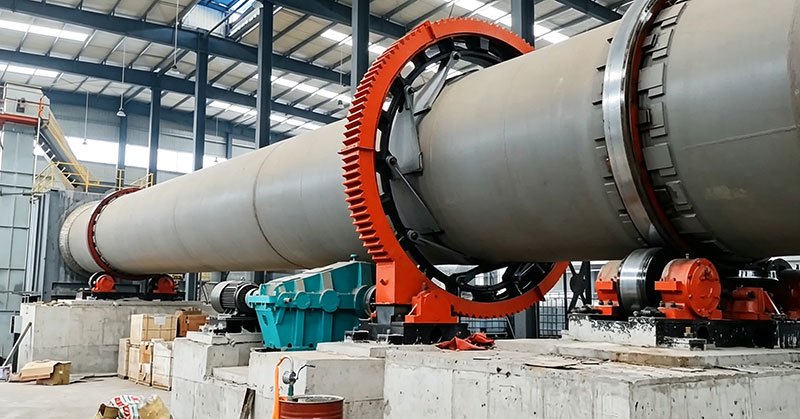
In terms of sealing system selection, new ceramsite sand rotary kilns are recommended to directly adopt a composite sealing solution: the kiln head uses a combination of graphite block radial seal and leaf seal, and the kiln tail uses a combination of thickened wear-resistant composite leaf seal and flexible seal. For old kiln renovation, traditional labyrinth seals and cylinder seals should be eliminated and uniformly upgraded to flexible composite seals.
In terms of waste heat recovery system configuration, it is recommended to configure two-stage waste heat recovery: the first stage installs a flue gas heat exchanger in the kiln tail dust settling chamber to recover flue gas waste heat for raw material drying; the second stage installs a heat-exchange discharge box or improved cooler at the kiln head to recover ceramsite waste heat for combustion air preheating. The two-stage system works synergistically to reduce total heat consumption of ceramsite calcination by about 30%.
In terms of operation management, a daily inspection system should be established to monitor kiln head and kiln tail negative pressure and coal consumption changes, and judge sealing performance through operating parameters. Sealing laminations and fasteners should be checked quarterly. Aging seals should be fully replaced during annual maintenance. At the same time, stable feeding and stable calcination should be maintained to reduce positive pressure fluctuations inside the kiln and reduce sealing erosion and wear.
The sealing optimization and thermal efficiency improvement of ceramsite sand rotary kilns are not two isolated technical issues, but an interrelated system engineering task. Sealing is the foundation—without reliable sealing, heat utilization rate cannot be discussed. Waste heat recovery is the extension—under the premise of good sealing, heat that would otherwise be wasted is brought back into the production cycle. Only when the two work together can true energy saving and consumption reduction in ceramsite sand production be achieved.
If you are looking for solutions to sealing air leakage or high heat consumption in your ceramsite sand rotary kiln, welcome to contact our customer service team. We will provide customized suggestions for sealing renovation and waste heat recovery based on your kiln type, capacity, and actual working conditions. You can consult through the online customer service on our official website, and our engineers will provide one-on-one answers to help you find the most suitable path for energy saving and consumption reduction.