

📌 Column Introduction
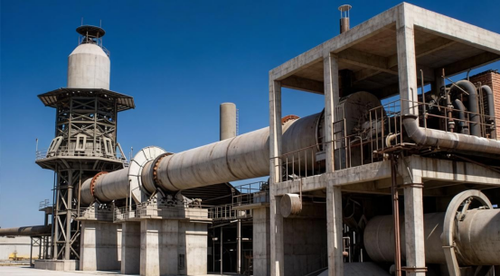
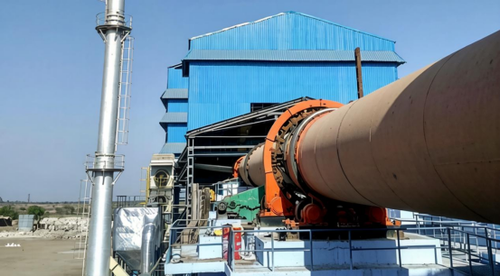
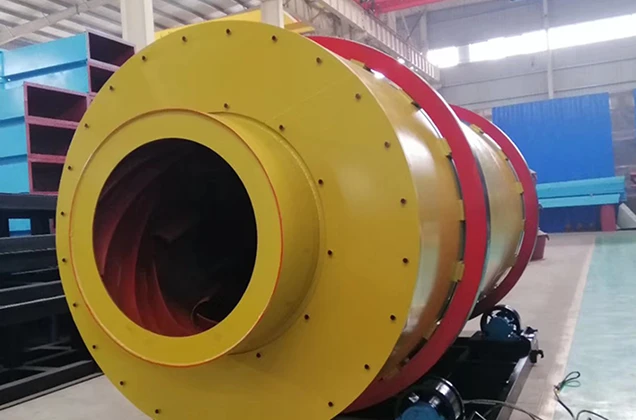
In numerous industrial fields such as building materials, metallurgy, chemical engineering, and environmental protection, the rotary kiln plays the role of an "industrial heart" – it is a large rotating high-temperature furnace that transforms solid materials into higher-value products through high-temperature thermal treatment. Whether it is the calcination of cement clinker, the decomposition of limestone, the roasting of metallic minerals, or the harmless treatment of solid waste, the rotary kiln is an indispensable core thermal equipment.
This column starts from the basic structure of the rotary kiln, systematically presenting its working principle, main types and model parameters, application fields and product advantages, combined with real case studies, to help customers understand how to select the most suitable rotary kiln equipment based on their own material characteristics and capacity requirements.
Chapter 1: Understanding the Rotary Kiln – Structural Analysis
I. What is a Rotary Kiln?
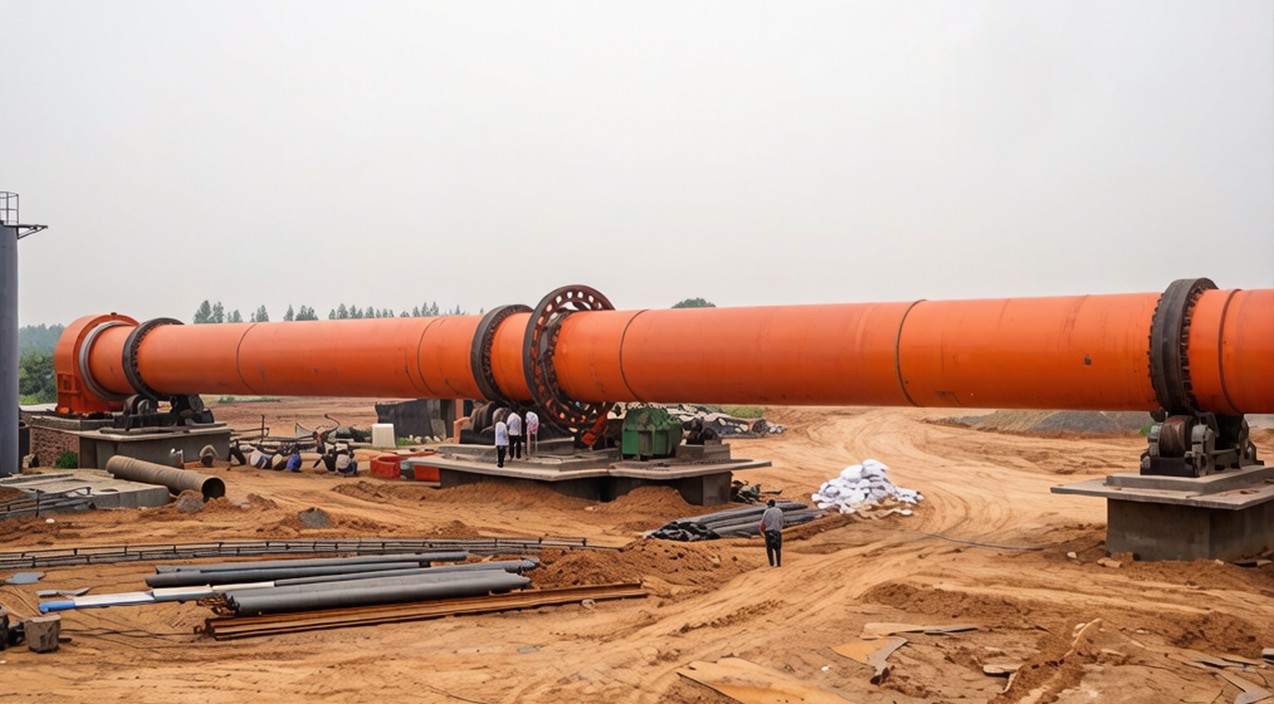
A rotary kiln is a thermal equipment that completes high-temperature heat treatment of raw materials within a rotating cylinder. The raw materials, fed into the inclined cylinder, are driven by gravity and the rotation of the cylinder to tumble and advance from the higher end to the lower end. Fuel is injected from the lower end and burns to produce high-temperature flue gas, which flows towards the upper end in counter-current with the material, exchanging heat and completing the calcination process.
The rotary kiln offers large production capacity, strong adaptability to various raw materials, high mechanization, and good operating conditions, making it widely applied across multiple industrial sectors.
II. Core Structure of the Rotary Kiln
A complete rotary kiln consists of the following key components:
Structural Component | Function Description |
|---|---|
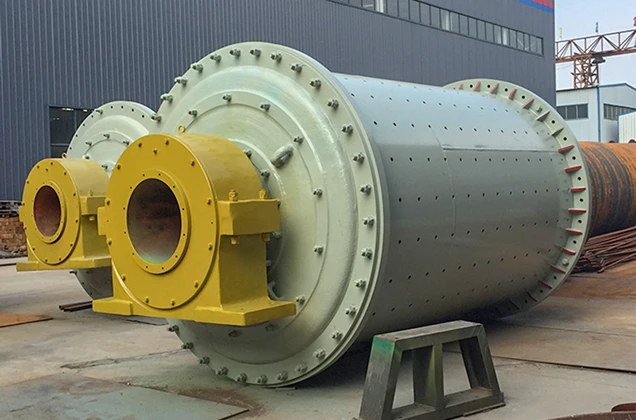
Shell and Refractory Lining | The shell is welded from steel plates and serves as the chamber for material processing and heat exchange. The refractory lining protects the shell and reduces heat loss. |
Tyre (Riding Ring) | Fixed on the shell, it transfers the weight of the shell and lining to the support devices while increasing shell rigidity and reducing radial deformation. |
Support Device (Roller Assembly) | Comprising rollers and bearing assemblies, it bears the full weight of the rotating kiln parts and ensures smooth rotation. |
Drive Device | Consisting of the main motor, auxiliary motor, reducer, and girth/pinion gears, it provides rotational power. The auxiliary motor can turn the kiln during power outages to prevent shell deformation. |
Thrust Roller Device | Available in mechanical and hydraulic types. The hydraulic type promotes reciprocating movement of the tyre along the rollers, ensuring even wear and extending service life. |
Kiln Hood and Kiln Tail | Located at both ends of the shell, equipped with sealing devices, burners, observation ports, and instrumentation. The kiln head is the main operating and maintenance access point. |
Sealing Device | Divided into kiln head seal and kiln tail seal, preventing cold air intake and flue gas leakage to maintain stable thermal conditions inside the kiln. |
Chapter 2: Working Principle of the Rotary Kiln
The working principle of the rotary kiln can be summarized as "rotary calcination, counter-current heat exchange."
Material Movement: Moist material is fed into the kiln shell from the kiln tail (the higher end) through a dedicated feeder. Because the shell is inclined at a certain angle (typically 3%-4%) to the horizontal and rotates slowly, the material undergoes a compound motion – it rolls circumferentially and moves axially from the higher end to the lower end.
Heat Supply: Fuel is injected from the kiln head (the lower end) through the burner and combusts to produce high-temperature flue gas. The flue gas flows towards the kiln tail, exchanging heat with the material in counter-current flow.
Calcination Process: The material sequentially passes through preheating, decomposition, and burning stages within the kiln, completing the required physical or chemical transformations. The calcined product is discharged from the kiln head and enters the cooler; exhaust flue gas is extracted from the kiln tail and discharged after treatment through the gas cleaning system.
Chapter 3: Types, Models and Parameters of Rotary Kilns
I. Main Types
Hongke Heavy Industry produces a comprehensive range of rotary kiln equipment covering multiple industrial fields. The main types include:
Building Materials Industry: Cement rotary kiln, lime kiln (lime rotary kiln, active lime kiln, new-type lime kiln, environmentally-friendly lime kiln), ceramsite sand rotary kiln, ceramsite rotary kiln
Metallurgical Industry: Metallurgical rotary kiln, magnesium metal rotary kiln, sponge iron rotary kiln, direct reduced iron rotary kiln, alumina rotary kiln, laterite nickel ore rotary kiln, dolomite rotary kiln, magnesite rotary kiln
Chemical Industry: Chemical rotary kiln, zinc oxide rotary kiln, titanium dioxide rotary kiln, activated carbon rotary kiln, catalyst rotary kiln, lithium carbonate rotary kiln, spodumene rotary kiln, lepidolite rotary kiln
Environmental Protection Industry: Waste incineration rotary kiln, sludge incineration rotary kiln, soil remediation rotary kiln, solid waste incineration rotary kiln
Other Specialized Types: Kaolin rotary kiln, bauxite rotary kiln, rare earth rotary kiln, petroleum coke rotary kiln, manganese ore rotary kiln, ferrochrome rotary kiln, vanadium slag rotary kiln, etc.
II. Models and Technical Parameters
Rotary kiln models are typically designated by shell diameter × shell length (in meters). The following table provides reference technical parameters for common models:
Model (m) | Shell Diameter (m) | Shell Length (m) | Slope (%) | Capacity (t/h) | Speed (r/min) | Motor Power (kW) |
|---|---|---|---|---|---|---|
Φ1.4×33 | 1.4 | 33 | 3 | — | — | 18.5 |
Φ1.6×36 | 1.6 | 36 | 4 | — | — | 22 |
Φ1.8×45 | 1.8 | 45 | 4 | — | — | 30 |
Φ2.0×40 | 2.0 | 40 | 3 | 2.5-4 | — | 37 |
Φ2.2×45 | 2.2 | 45 | 3.5 | — | — | 45 |
Φ2.5×50 | 2.5 | 50 | 3 | — | — | 55 |
Φ2.7×42 | 2.7 | 42 | 3.5 | — | — | 55 |
Φ3.0×45 | 3.0 | 45 | 3.5 | — | — | 75 |
Φ3.0×60 | 3.0 | 60 | 3.5 | — | 0.3-2 | 100 |
Φ3.2×50 | 3.2 | 50 | 4 | 40.5-42 | 0.6-3 | 125 |
Φ3.5×54 | 3.5 | 54 | 4 | 58-65 | — | 220 |
Φ4.0×60 | 4.0 | 60 | 3.5 | 78-85 | — | 315 |
Chapter 4: Application Fields and Product Advantages
I. Main Application Fields
As a core thermal equipment, the rotary kiln plays an irreplaceable role in the following fields:
Field | Typical Applications | Processed Materials |
|---|---|---|
Building Materials | Cement clinker calcination, active lime production, ceramsite sand preparation | Cement raw meal, limestone, shale, fly ash |
Metallurgy | Metal ore roasting, reduction, calcination | Iron ore, nickel ore, chrome ore, dolomite, magnesite, bauxite |
Chemical Industry | Chemical raw material roasting and purification | Zinc oxide, titanium dioxide, lithium carbonate, catalyst, activated carbon |
Environmental Protection | Solid waste incineration, sludge treatment, soil remediation | Municipal waste, industrial sludge, contaminated soil |
II. Core Product Advantages
Strong Adaptability: Capable of processing materials in various forms (powder, granular, slurry) and with different properties, meeting diverse process requirements.
Large Production Capacity: A single unit can satisfy capacity needs ranging from small-scale (tens of tons per day) to extra-large-scale (millions of tons per year), suitable for large-scale production.
High Thermal Efficiency: Optimized shell structure, sealing devices, and combustion systems effectively reduce heat loss and improve thermal utilization. Advanced large-scale rotary kiln systems can achieve industry-leading low energy consumption.
Stable and Reliable Operation: Equipped with large-ratio reducers, flexible drives, and reliable sealing structures to ensure long-term continuous operation.
High Automation: PLC/DCS control systems and intelligent monitoring instruments enable remote operation and fault early warning, reducing labour dependence.
Environmentally Friendly: Advanced sealing technology and exhaust gas treatment systems effectively control dust and hazardous gas emissions, meeting environmental requirements. In waste treatment applications, rotary kilns can achieve harmless treatment, volume reduction, and resource recovery of waste materials.
Chapter 5: Application Case Studies
The following are real-world application examples of Hongke Heavy Industry's rotary kiln equipment in domestic and international projects, demonstrating the equipment's excellent performance across different materials and operating conditions.
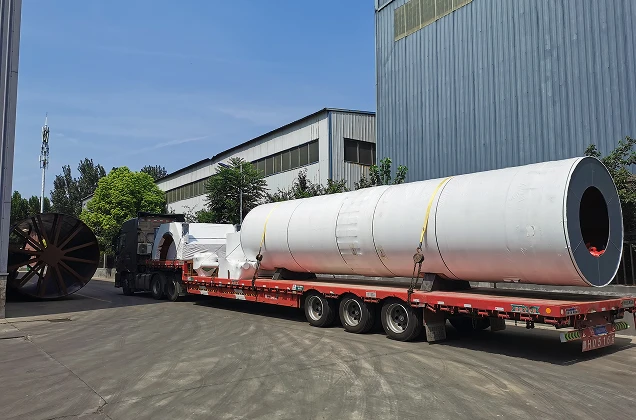
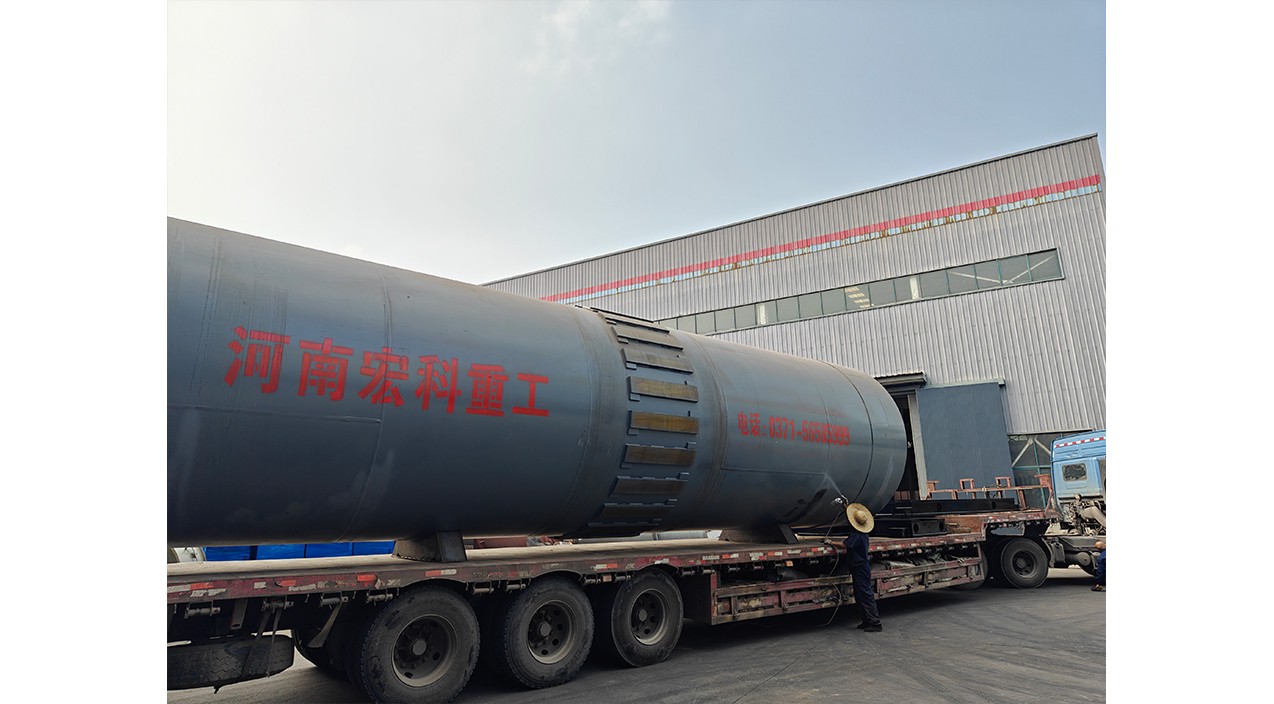
Case 1: Active Lime Rotary Kiln Shipment to Egypt
Project Overview: The active lime rotary kiln complete equipment ordered by an Egyptian client was manufactured and shipped overseas. The active lime rotary kiln calcines limestone to produce high-activity lime products, widely used in steelmaking, alumina production, power plant desulphurization, and other fields.
Equipment Configuration: Includes the kiln shell, support devices, drive system, combustion system, cooler, and full electrical control equipment.
Customer Value: The customer received a complete active lime production line, meeting local demand for high-quality lime from the steel and chemical industries.
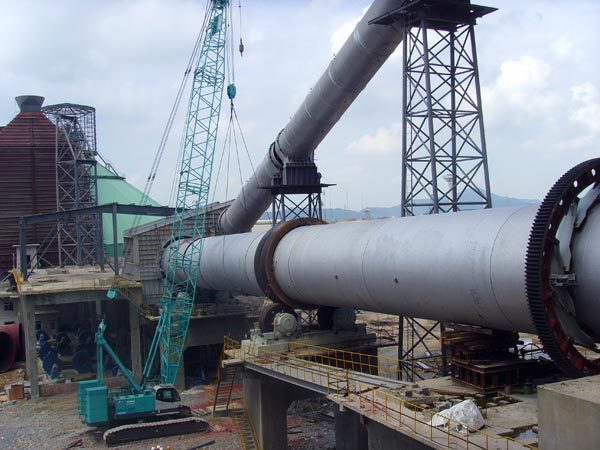
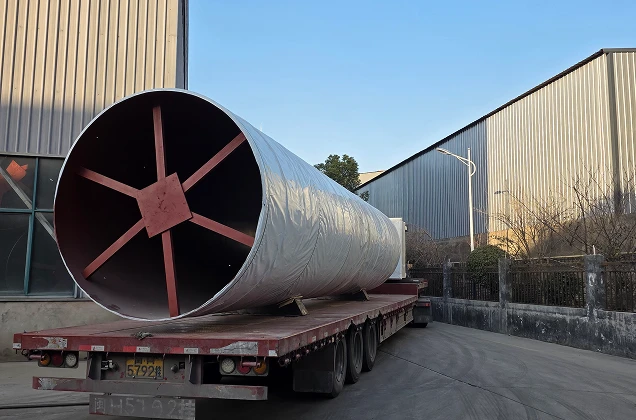
Case 2: Φ3.5×45m Rotary Kiln Shipment to Jiangxi, China
Project Overview: A custom-built Φ3.5×45m rotary kiln was manufactured and shipped to a client in Jiangxi Province. The equipment is used for deep processing of local mineral resources.
Equipment Features: The configuration of 3.5m diameter and 45m length balances capacity with site adaptability, suitable for medium-to-large scale production needs.
Customer Value: After commissioning, the equipment significantly improved the customer's production efficiency and product quality, enabling the transition from primary ore processing to higher-value products.
Case 3: Sponge Iron Rotary Kiln Shipment to Algeria
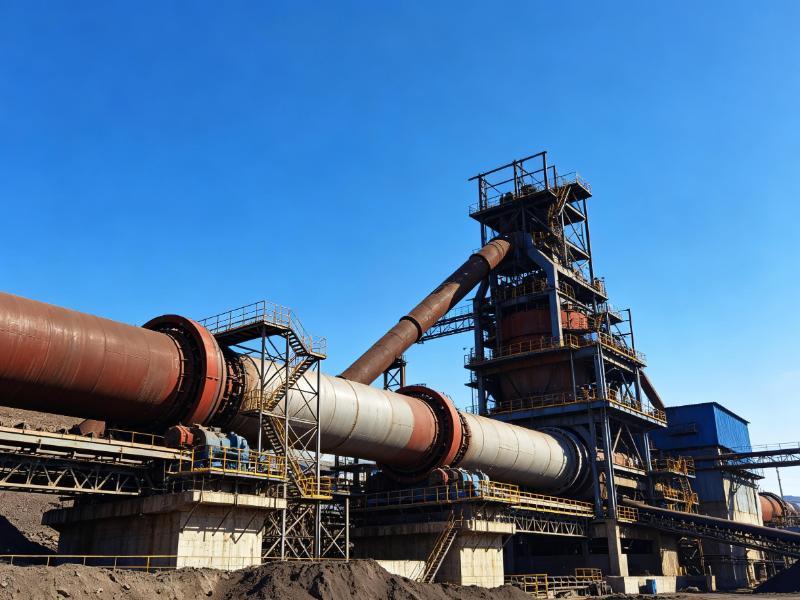
Project Overview: The sponge iron rotary kiln equipment ordered by an Algerian client (totaling 21 containers) was shipped. The sponge iron rotary kiln is the core equipment in the direct reduction iron process, reducing iron ore to sponge iron below melting point, providing high-quality feedstock for electric arc furnace steelmaking.
Equipment Features: This equipment must maintain stable operation under high-temperature reducing atmosphere, with high standards for shell material, refractory lining, sealing devices, and temperature control systems.
Customer Value: After project commissioning, the customer gained stable sponge iron production capacity, effectively reducing dependence on imported scrap steel for local steelmaking enterprises and achieving downstream industry chain integration.
Customised Solution Services
Every rotary kiln project is unique – material properties, capacity scale, fuel conditions, and site environments all differ, and no standardised solution fits all needs. That is why we offer professional one-on-one customised solution services:
If you already have a material analysis report: Please provide us with your material characteristics (composition, moisture content, particle size, calorific value, etc.), target capacity, and process requirements. Our professional engineering team will tailor a complete solution from equipment selection to system configuration based on your actual data.
If you have not yet conducted material analysis: We recommend completing a basic material analysis first. You can also contact us; we will provide consulting services and technical support for material analysis.
Our services include:
Customised rotary kiln model and specification selection based on material characteristics
Full production line equipment (shell, cooler, combustion system, control system) selection and matching
Equipment layout and site planning recommendations
Investment estimation and economic analysis
Installation and commissioning guidance and operator training
Contact Us: No matter which stage your project is at – whether you are at the process scheme evaluation stage, equipment selection stage, or ready to purchase with confirmed capacity – we welcome your enquiry. The right way to contact a manufacturer: Please provide your material type, target capacity, fuel conditions, and process requirements, and our engineers will precisely match the most suitable rotary kiln solution for you, ensuring every dollar of your investment delivers maximum returns.