

📌 Column Introduction
As a core thermal equipment in building materials, metallurgy, chemical engineering, environmental protection, and many other industries, the rotary kiln's operational efficiency and calcination quality directly impact a company's output, costs, and product competitiveness. However, in actual production, rotary kilns often face challenges such as declining calcination efficiency, fluctuating product quality, and frequent equipment failures. What are the root causes of these problems? How can scientific selection and meticulous operation and maintenance keep the rotary kiln performing at its optimal level consistently?
This column integrates three core topics regarding rotary kiln operation: the importance of flame concentration, diagnosis of efficiency decline causes, and a scientific selection guide, combined with industry technical knowledge, to provide you with a systematic reference solution for efficient rotary kiln operation.
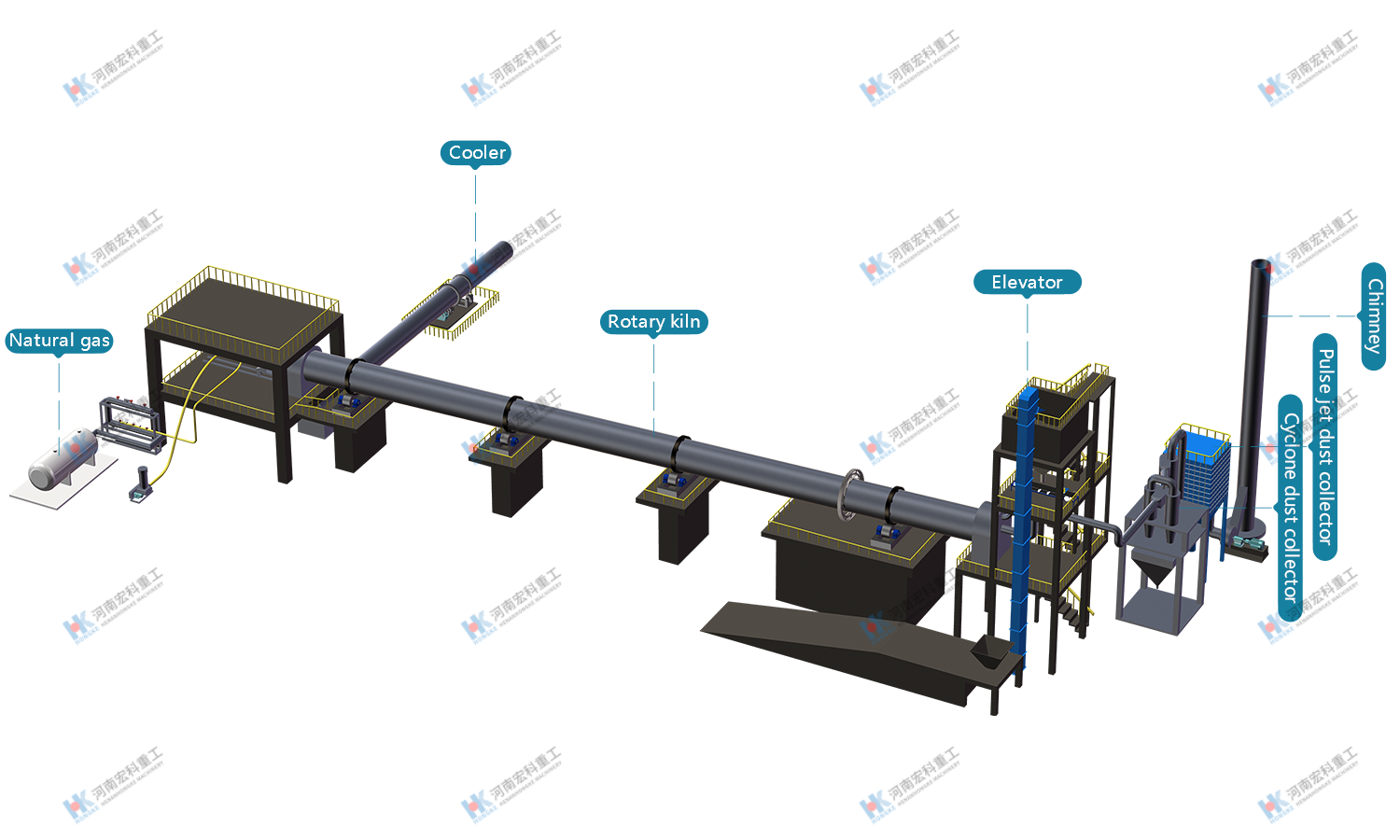
Chapter 1: The Key to Calcination Quality – The Importance of Flame Concentration
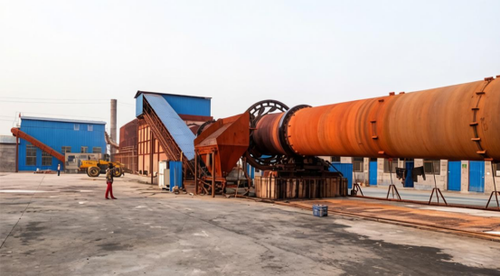
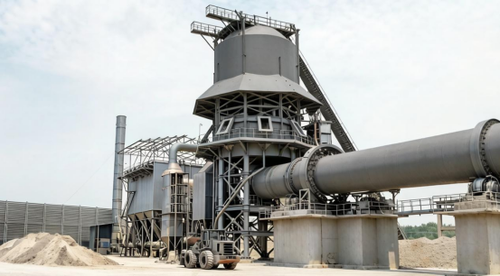
During the rotary kiln calcination process, the degree of flame concentration in the burning zone is one of the core factors determining product quality. Taking the lime rotary kiln as an example, its calcination process is generally divided into three stages: the transition zone, the burning zone, and the cooling zone. The thermal condition of each zone directly determines the quality of the final product.
I. Three Major Negative Impacts of Poor Flame Concentration
1. Decreased Heat Transfer Efficiency, Impaired Clinker Quality
When the flame in the burning zone is not concentrated, the heat transfer between the material and the high-temperature flue gas cannot reach an optimal rate, causing the material to heat up slowly. The burning temperature fails to meet process requirements, and the material cannot maintain sufficient high-temperature reaction time in the burning zone. This results in:
Inadequate material absorption, causing the clinker mineral crystals to exhibit coarse grain size and undersized crystals
Ultimately, the clinker has poor strength and low quality
2. Sharp Rise in Energy Consumption, Increased Production Costs
Dispersed flame leads to uneven heat distribution, and operators often compensate by increasing the coal feed rate to maintain the burning zone temperature. This causes:
Increased air velocity inside the kiln, excessive pulverized coal usage, and elongated flame
Rising temperature in the kiln tail smoke chamber, and significantly increased coal and material consumption
3. Reduced Coal Burnout Rate, Increased Risk of Equipment Damage
Poor flame concentration in the burning zone directly affects the burnout rate of pulverized coal:
Slow combustion speed, increased settling, raising the loss on ignition of clinker
The problem becomes more pronounced when coal particles are coarse or when secondary air temperature is low
Additionally, the burning zone operates under prolonged high-temperature heating. To ensure equipment service life, the coating formation method is generally adopted for protection. The length of the kiln coating directly reflects the entire length of the burning zone. If poor flame concentration causes localized high temperatures or temperature fluctuations, it will directly damage the coating and refractory bricks, and in severe cases, may cause a red kiln accident.
II. Technical Points for Optimizing Flame Concentration
According to rotary kiln calcination technology analysis, the ideal flame shape is "club-shaped" – maintaining a circular cross-section at any point, with a club-like longitudinal profile. This flame ensures efficient heat exchange along the entire flame length while avoiding localized overheating.
To achieve good flame concentration, the following operational points are recommended:
Control appropriate flame length and temperature: Flame temperature should generally reach 1540~1700°C, ensuring the material reaches a calcination temperature of approximately 1450°C in the burning zone
Maintain complete flame shape: The flame should be "smooth, complete, non-dispersing, and non-turbulent," avoiding coating erosion and localized high temperatures
Maintain oxidizing atmosphere: Ensure the excess air coefficient is controlled within 1.05~1.10 to avoid reducing atmospheres affecting clinker quality
Adjust operations based on coal quality: When pulverized coal has high ash content and low volatile content, appropriately increase primary air velocity; when using multi-channel burners, increase the velocity and volume of both inner and outer air streams
🔧 Core Operational Advice: Whether the flame is concentrated is directly reflected in the flame shape and temperature. During operation, adjust primary air, secondary air, and pulverized coal feed rate to ensure the flame "does not disperse, does not touch the material, and does not erode the coating," thereby stabilizing clinker quality, reducing coal consumption, and protecting the kiln lining.
Chapter 2: Efficiency Decline Diagnosis – Common Causes and Troubleshooting Pathways
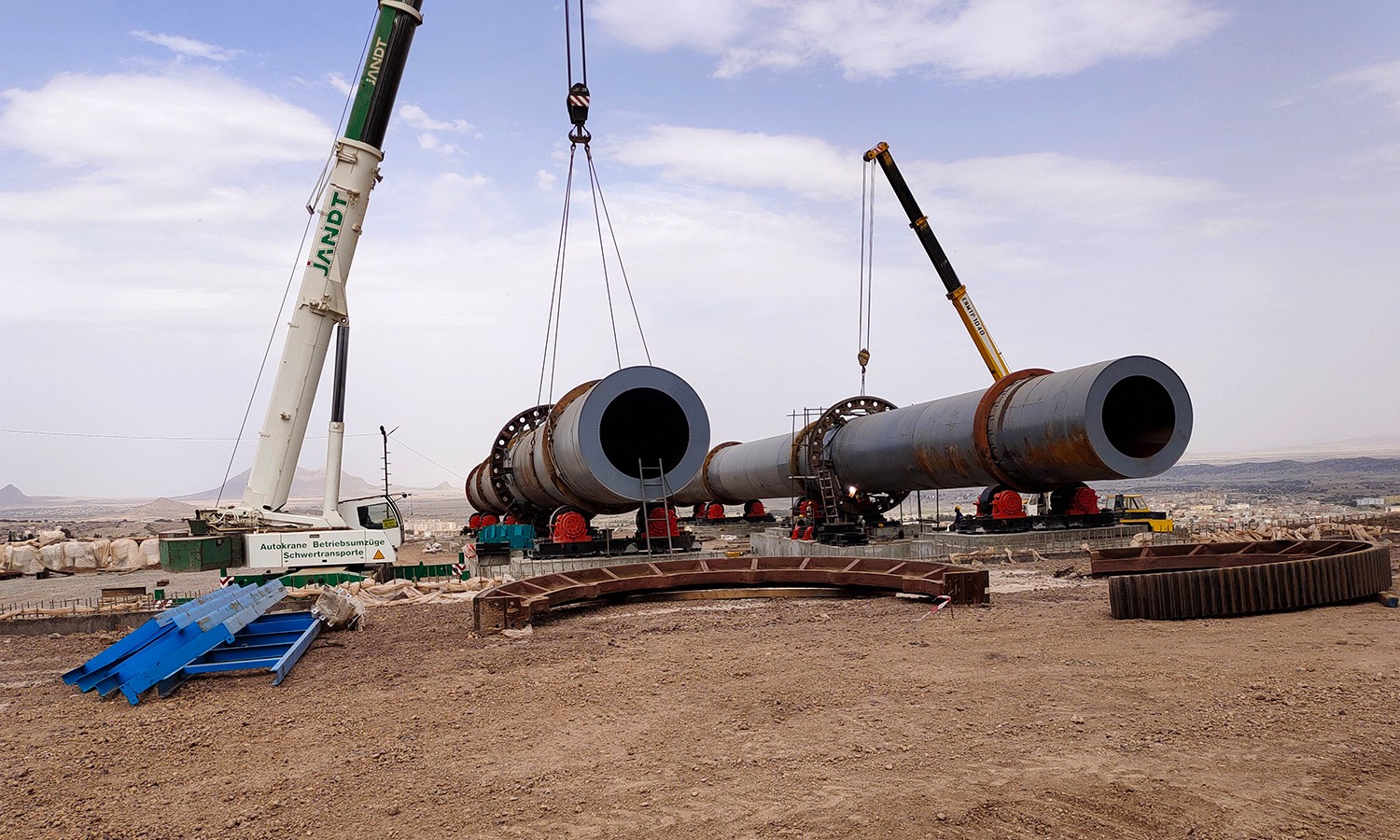
When the rotary kiln's operational efficiency declines, it is often the result of multiple factors. Based on actual production experience, the main causes can be categorized into the following five major groups:
I. Feed Material Issues
Symptoms: Uneven feed, fluctuating quantities, causing temperature fluctuations inside the kiln, unstable calcination effects, inconsistent product quality, and declining efficiency.
Diagnostic Points: Check whether the feeding equipment is operating smoothly, whether the storage bin has bridging or blockages, and whether the feed particle size has changed significantly. The feeding system is the starting point of rotary kiln operation. Unstable feed directly disrupts the thermal regime inside the kiln. When the feed rate suddenly increases, the material bed thickens, heat transfer is obstructed, and the kiln tail temperature drops rapidly. Operators are often forced to increase the coal feed rate to compensate for heat, resulting in excessively high kiln head temperatures and excessively low kiln tail temperatures, widening the temperature difference and destabilizing the system. Conversely, when the feed rate suddenly decreases, the material bed thins, excess heat accumulates, easily causing excessively high burning zone temperatures, coating damage, and even red kiln. Therefore, maintaining continuity and uniformity of feed is the foundation of stable calcination. It is recommended to install variable frequency drives and level monitoring instruments in the feeding section to enable automatic feed rate adjustment. Additionally, vibrators or air cannons should be installed at the bin outlet to prevent bridging and blockage. For materials with high moisture content, appropriate pre-drying treatment should be carried out before feeding to prevent wet material from adhering to pipelines and causing feed obstruction.
II. Equipment Failures
Symptoms: Transmission system vibration or abnormal noise, kiln shell deformation, refractory damage, etc., causing the equipment to fail to operate normally or even shut down.
Key Inspection Areas and Technical Points:
(1) Tyre and Roller System
The tyre slip amount is an important parameter reflecting the contact condition between the tyre and the rollers. Under normal conditions, it should be maintained within 5~25mm. Excessive slip indicates insufficient friction between the tyre and rollers, unstable kiln operation, and may lead to distortion and collapse of the kiln bricks. Insufficient slip indicates excessive tightness between the tyre and rollers, increasing contact stress and accelerating wear on both the tyre and rollers. Regularly measuring and adjusting the clearance between the tyre and the backing plate (the cold clearance should preferably be maintained at 17~19mm) is an important measure to extend tyre life and ensure smooth kiln operation.
(2) Hydraulic Thrust Roller System
The function of the hydraulic thrust roller is to control the axial movement of the kiln shell in the upward and downward directions, ensuring that the tyre contacts evenly across the entire roller width, avoiding localized pitting and wear. Hydraulic thrust roller bearing damage or hydraulic system failure directly affects the kiln shell's axial movement. If the amount of axial movement is insufficient, the tyre remains in the same position on the rollers for an extended period, causing grooves to form on the roller surface, intensifying kiln vibration. The refractory bricks bear abnormal compressive stress, and in severe cases, the bricks may crack and fall off. Therefore, the hydraulic system oil pressure, oil temperature, and oil quality should be regularly inspected to ensure the thrust roller reciprocating action is normal.
(3) Roller Bearing Temperature Rise
Bearing temperature rise in the support rollers, caused by lubrication failure, poor circulating water flow, or excessively small bearing clearance, is a common cause of sudden shutdowns. Under normal operation, the bearing temperature should generally be controlled below 50°C. When the temperature exceeds 65°C, it should be considered an alarm signal requiring immediate investigation. Common corrective measures include: checking lubricating oil quality and quantity, cleaning scaling in the circulating water pipes, and, if necessary, re-scraping the bearing clearance (generally adjusted to 0.15~0.25mm as appropriate).
III. Improper Operation
Symptoms: Excessive or too frequent adjustments to the coal feed rate, inaccurate judgment of the calcination conditions inside the kiln, and failure to adjust operating parameters in a timely manner.
Typical Case Warning: At one plant, due to an inaccurate coal feed scale at the kiln head, the displayed value on the central control console significantly deviated from the actual coal feed rate. The operator operated for a long period under incorrect parameters – the console showed a normal coal rate, but the actual rate was significantly lower, causing the burning zone temperature to remain persistently low. The operator mistakenly attributed this to raw material issues and continuously adjusted the batching scheme, but the kiln condition continued to deteriorate. The free calcium oxide (f-CaO) content in the clinker reached 8.9%, far exceeding the normal value (should be controlled below 1.5%), ultimately forcing a significant production cut and adjustment shutdown.
Lesson Learned: The accuracy of instrument data is a prerequisite for correct operation. When the kiln condition is abnormal and repeated adjustments prove ineffective, the reliability of the measuring equipment should be investigated first, rather than blindly adjusting process parameters. This also reminds enterprises to establish a regular calibration system in daily management, periodically verifying all key measuring instruments (including coal feed scales, thermocouples, pressure transmitters, etc.) to ensure the data displayed on the central control console truly reflects the actual site conditions.
Additionally, improper operation also manifests in:
Excessive coal adjustment range: A single coal increase or decrease exceeding 5% causes drastic temperature fluctuations inside the kiln, disrupting the thermal regime of the burning zone
Imbalanced air-to-coal ratio: Excessive primary air elongates and disperses the flame; insufficient primary air results in a short, thick, and non-concentrated flame, reducing coal burnout rate
Improper kiln speed adjustment: If the kiln speed is too fast, the material residence time is insufficient, resulting in incomplete calcination; if too slow, the material bed becomes too thick, reducing heat transfer efficiency
Recommended Operating Principle: Adhere to "fine-tuning, frequent adjustment, and stability with flexibility." Each adjustment should be small rather than large. Observe the effect for a period (generally 15~30 minutes) before deciding on subsequent actions.
IV. Insufficient Routine Maintenance
Symptoms: Increased wear on equipment components, lubrication system failure, increased operating resistance, and rising energy consumption.
Key Maintenance Items and Technical Points:
(1) Lubrication System
The lubrication points of the rotary kiln mainly include the support roller bearings, transmission gears, and the tyre-to-backing-plate contact surfaces. Lubrication failure is one of the most common causes of sudden equipment failure. Specific measures include:
Regular oil changes (generally every 6 months). New oil should be filtered before addition to ensure cleanliness
Check that the circulating oil circuit is clear and the oil pump is operating normally
For support roller bearings using oil bath lubrication, sample the oil weekly to monitor moisture and impurity content
Apply specialized open-gear lubricant to the transmission gear surfaces regularly to ensure a complete oil film layer on the tooth surfaces
(2) Sealing Devices
Wear on the kiln head and kiln tail sealing devices leads to cold air infiltration and leakage of hot, dust-laden flue gas. This not only disrupts thermal stability inside the kiln but also causes environmental pollution and energy waste. Maintenance of sealing devices should focus on:
Regularly inspecting the wear condition of sealing structures and adjusting the compression devices to ensure the sealing clearance remains within a reasonable range
For structures using graphite block seals, monitoring the remaining thickness of the graphite blocks and replacing worn-out ones in time
For structures using leaf-spring seals, checking the spring tension and compression to prevent seal failure due to loss of elasticity
(3) Refractory Material
Refractory material is the key barrier protecting the kiln shell and maintaining the thermal regime. Key maintenance points include:
Regularly inspecting the thickness and cracks of the kiln lining bricks. When the brick thickness wears down to 60% of the original, scheduled replacement should be arranged
Monitoring changes in kiln coating condition. If the coating is too thick or too thin, the cause should be analyzed and corrective measures taken promptly
For localized areas showing spalling or brick loss, perform hot or cold patching promptly to prevent problem escalation
V. Other Factors
(1) Unstable Raw Material Quality
Excessive harmful elements (alkalis, chlorine, sulfur, etc.) in the raw materials can cause buildup and ring formation. When the alkali content (K₂O+Na₂O) exceeds 1.0%, hard deposits tend to form at the kiln tail smoke chamber and the riser duct, blocking the gas flow path, leading to increased kiln tail negative pressure and poor ventilation. Excessive sulfur content reacts with alkalis to form low-melting-point sulfates, creating liquid-phase rings in the burning zone that impede normal material flow. Solutions include: strictly controlling raw material procurement quality standards, properly blending materials with high harmful element content, and installing a bypass bleed system where necessary.
(2) Coal Quality Fluctuations
Variations in pulverized coal quality directly affect combustion efficiency and flame shape. Coal with high ash content and low volatile content ignites slowly, has an excessively long black flame tip, burns incompletely, and has lower unit calorific value. Operators need to adjust promptly based on coal quality changes:
When ash content rises, appropriately increase the secondary air temperature to accelerate coal ignition
When volatile content decreases, appropriately increase primary air velocity to enhance mixing and ignition
When calorific value is low, increase the coal feed rate, but simultaneously monitor changes in flame length to prevent flame contact with the material
(3) Harsh Production Environment
External factors such as temperature, humidity, and ventilation conditions can also indirectly affect the stable operation of the rotary kiln. For example, in winter, the ambient temperature drops, reducing the secondary air temperature entering the kiln and affecting coal ignition conditions. In the rainy season, material moisture content increases, placing a greater burden on the feeding and preheating systems and increasing calcination heat consumption.
Comprehensive Efficiency Decline Troubleshooting Process
When rotary kiln efficiency declines, follow these steps for systematic inspection until the root cause is identified:
Step 1: Check the Feed System
First, confirm whether the feeding equipment is operating smoothly, whether there is bridging or blockage in the storage bin, and whether the feed particle size and moisture content have changed significantly. Unstable feed is the starting point of all problems and should be prioritized for elimination.
Step 2: Verify Instrument Data
When kiln conditions are abnormal and repeated adjustments prove ineffective, immediately perform on-site verification of key measuring equipment including coal feed scales, thermocouples, and pressure transmitters to confirm whether the central control display values match the actual values. If discrepancies are found, instruments must be repaired before continuing process adjustments.
Step 3: Check Key Equipment Operating Status
Focus on whether the tyre slip amount is within the normal range of 5~25mm, whether the hydraulic thrust roller is operating normally and the kiln shell can achieve normal axial movement, and whether the support roller bearing temperature exceeds the 65°C warning value. Any abnormality in these items could be the equipment-related cause of efficiency decline.
Step 4: Review Operation Records
Examine operation logs, check whether recent coal addition and reduction ranges and frequencies have been excessive, whether temperature curves show frequent fluctuations, and determine whether the operator's adjustment approach is reasonable. If operation records show frequent large-scale adjustments, this should be corrected promptly in favor of the "fine-tuning, frequent adjustment, and stability with flexibility" principle.
Step 5: Inspect Raw Materials and Coal Quality
Investigate whether harmful elements (alkalis, chlorine, sulfur) in the raw materials exceed limits, and whether indicators such as coal ash content, volatile content, and fineness deviate from normal ranges. If raw materials or coal quality show significant fluctuations, promptly adjust the batching scheme or coal source.
Step 6: Evaluate Maintenance Condition
Check whether the lubrication system is functioning normally (oil quality, oil quantity, and oil circuit clarity), whether sealing devices are worn and leaking air, and whether refractory thickness has fallen below the safety threshold. Insufficient maintenance is often a hidden efficiency killer that is easily overlooked but has a sustained impact.
Chapter 3: Scientific Selection Guide – Ensuring Efficiency from the Source
Correctly selecting a rotary kiln is the key to improving calcination efficiency, reducing costs, and enhancing competitiveness[citation:source webpage: Rotary Kiln Selection Guide: Key Equipment for Improving Calcination Efficiency]. The following are the four major principles and evaluation dimensions to focus on during selection.
I. Define the Type Requirements
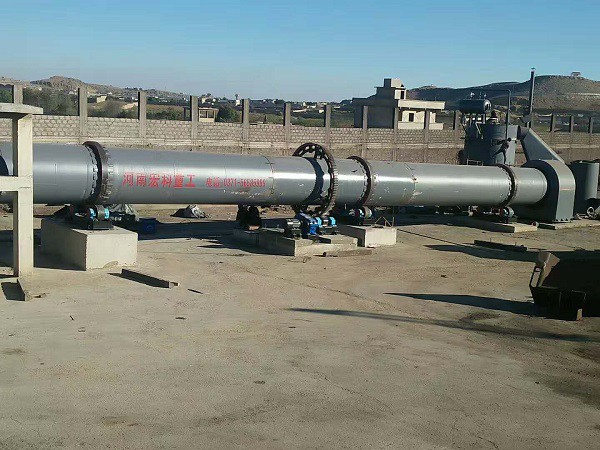
Based on different applications and structural characteristics, rotary kilns are mainly classified into the following types[citation:source webpage: Rotary Kiln Selection Guide]:
Type | Typical Application | Characteristics |
|---|---|---|
Lime Rotary Kiln | Limestone calcination | Simple structure, easy operation, high calcination efficiency |
Cement Rotary Kiln | Cement clinker calcination | Large output, low energy consumption, high automation |
Metallurgical Rotary Kiln | Metal ore reduction and roasting | Large processing capacity, strong adaptability |
Chemical Rotary Kiln | Chemical raw material roasting and purification | High temperature control precision, strict sealing requirements |
Environmental Rotary Kiln | Solid waste incineration, sludge treatment | Corrosion-resistant, strong sealing, comprehensive exhaust gas treatment |
II. Follow the Four Major Selection Principles
1. Capacity Matching
Select a rotary kiln with appropriate capacity based on production scale and product requirements. Oversized or undersized equipment affects both production efficiency and product quality. During selection, reserve a 10%~15% capacity surplus based on daily output requirements to accommodate raw material fluctuations and planned maintenance shutdowns. However, avoid over-sizing, as this leads to inefficient "big horse pulling a small cart" operation, where energy consumption per unit of product actually increases.
2. Advanced Technology
Prioritize rotary kilns with mature technology and stable performance to reduce equipment failure rates and improve production efficiency. Focus on the following aspects:
Whether the transmission system uses a large-ratio reducer and flexible drive devices
Whether the sealing structure uses advanced pneumatic or labyrinth seals
Whether the control system is equipped with PLC/DCS automatic control and online monitoring functions
3. Energy Efficiency and Environmental Protection
Consider the equipment's energy consumption and emissions, and select equipment that meets national environmental standards. Specifically focus on:
Whether shell heat loss is effectively controlled through optimized lining structures
Whether the waste heat recovery system is well-developed (e.g., kiln head cooler waste heat utilization, kiln tail preheater exhaust heat utilization)
Whether dust and hazardous gas emissions meet the latest environmental standards (particulates ≤30mg/Nm³, SO₂ ≤200mg/Nm³, NOx ≤400mg/Nm³)
4. After-Sales Service
Choose a manufacturer with a good after-sales service system to ensure timely and effective technical support and maintenance services during equipment operation. Evaluation points include: whether the manufacturer has a complete quality management and traceability system, whether there are successful cases with similar materials, whether engineers can be dispatched for on-site installation and commissioning guidance, and whether spare parts supply is timely and reliable.
III. Key Performance Evaluation Indicators
Evaluation Dimension | Key Points of Concern | Reference Requirements |
|---|---|---|
Calcination Efficiency | Reasonable material residence time and temperature distribution | Residence time generally 30~60 minutes, burning zone temperature reaches 1450°C |
Kiln Shell Life | Reliability of material, structure, and manufacturing process | Refractory life generally ≥1 year, shell service life ≥20 years |
Automation Level | Intelligence of temperature control, feed control, discharge control | Equipped with automatic temperature adjustment, automatic feeding, automatic alarm functions |
Environmental Performance | Compliance of exhaust emissions, noise, etc. | Particulates ≤30mg/Nm³, SO₂ ≤200mg/Nm³ |
IV. Common Misconceptions in Selection
Misconception 1: Focusing only on equipment price
Correct Approach: Comprehensively evaluate the full lifecycle cost including calcination efficiency, energy consumption level, kiln shell life, and after-sales service. A slightly higher-priced but energy-efficient equipment may recover the price difference through fuel cost savings within 2~3 years, generating sustained net benefits in subsequent long-term operation.
Misconception 2: Ignoring raw material characteristics
Correct Approach: Different types of materials (limestone, cement raw meal, metal ores) have different requirements for the structure and operating parameters of the rotary kiln. Fully analyze material characteristics before selection. For example:
Materials with good burnability may allow shorter kiln length
Sticky materials may require additional lifting devices
Corrosive materials require corrosion-resistant materials
Misconception 3: Blindly pursuing oversized specifications
Correct Approach: Excessive capacity may lead to "big horse pulling a small cart" and inefficient operation; insufficient capacity fails to meet production needs. Select the most suitable model based on actual output requirements. Additionally, consider site conditions – large-specification rotary kilns have higher requirements for foundation bearing capacity, transport access, and installation space. Improper selection may lead to passive situations during the project construction phase.
Misconception 4: Ignoring fuel conditions
Correct Approach: Different fuels (coal, natural gas, heavy oil, biomass) have vastly different requirements for the burner. During selection, clearly define the design fuel type, consider the stability of local fuel market supply, and where possible, equip with multi-fuel burners to enhance adaptability.
Chapter 4: Comprehensive Recommendations for Efficient Operation
Based on the three dimensions of flame concentration, efficiency diagnosis, and scientific selection, the following are comprehensive recommendations for efficient rotary kiln operation:
I. Establish a Systematic Operation and Maintenance System
Daily Monitoring: Focus on core parameters including flame shape, kiln tail temperature, tyre slip amount, and support roller bearing temperature. Maintain parameter recording logs.
Regular Calibration: Calibrate key measuring equipment such as coal feed scales and thermocouples monthly to ensure data reliability. If deviations exceed allowable limits, repair immediately.
Scheduled Maintenance: Arrange reasonable maintenance cycles (generally a medium overhaul every 6~12 months, and a major overhaul every 2~3 years). Key inspection items include refractory wear, tyre clearance, hydraulic system condition, and transmission gear tooth surface wear.
II. Optimize Thermal Operation Practices
"Thin Bed, Fast Burning" : While ensuring calcination quality, appropriately increase kiln speed (increase by 0.1~0.2 r/min each time and observe results) and reduce material bed thickness (generally controlled at 8%~12% of kiln shell diameter). This can improve heat transfer efficiency and output by 10%~15%.
Control Ring Formation Risks: Strictly control raw material and pulverized coal quality, increase secondary air volume to lengthen the burning zone, and avoid localized high-temperature accumulation. When early signs of ring formation are detected, promptly adjust flame shape and coal distribution, or perform mechanical removal during scheduled shutdowns.
Adjust Flame Shape: Adjust primary air volume and burner parameters promptly based on coal quality changes to ensure the flame is "smooth, complete, and non-dispersing." Observe for 15~20 minutes after each adjustment to confirm that flame shape and temperature distribution achieve the desired effect.
III. Focus on Raw Material and Coal Quality Management
Stabilize raw material quality and minimize the introduction of harmful elements (alkalis, chlorine, sulfur). It is recommended to perform chemical composition testing on each batch of raw materials before they enter the plant. Batches found to exceed limits should be stored separately and properly blended for use.
Control pulverized coal fineness within 8%~15% (200-mesh sieve residue) to improve burnout rate. Excessively coarse fineness (>15%) leads to incomplete combustion and excessive black flame tip length; excessively fine fineness (<8%) increases coal grinding power consumption, and overly fine coal burns too quickly, concentrating the burning zone too narrowly, which is not conducive to long-flame calcination.
If conditions permit, use separate coal feeding for the kiln tail and kiln head – use lower calorific value coal for the calciner (fully utilizing its heat) and higher calorific value coal for the kiln head (ensuring concentrated burning zone temperature).
IV. Key Emergency Response Procedures for Common Faults
Red Kiln (localized shell overheating/glowing) : Immediately reduce feed rate and kiln speed, rotate the red zone to the upper position and perform supplementary coating application operations. If the red area is large, shut down for cooling treatment to prevent shell deformation and scrapping.
Ring Formation (material accumulating in a ring inside the kiln) : Adjust flame shape and coal distribution, increase secondary air volume to lengthen the burning zone. In severe cases, shut down for mechanical or explosive removal.
Support Roller Bearing Overheating: Immediately check lubricating oil quantity and circulating water flow. If oil has emulsified, perform emergency replacement. If necessary, shut down to cool the bearing and re-adjust the bearing clearance.
Customised Solution Services
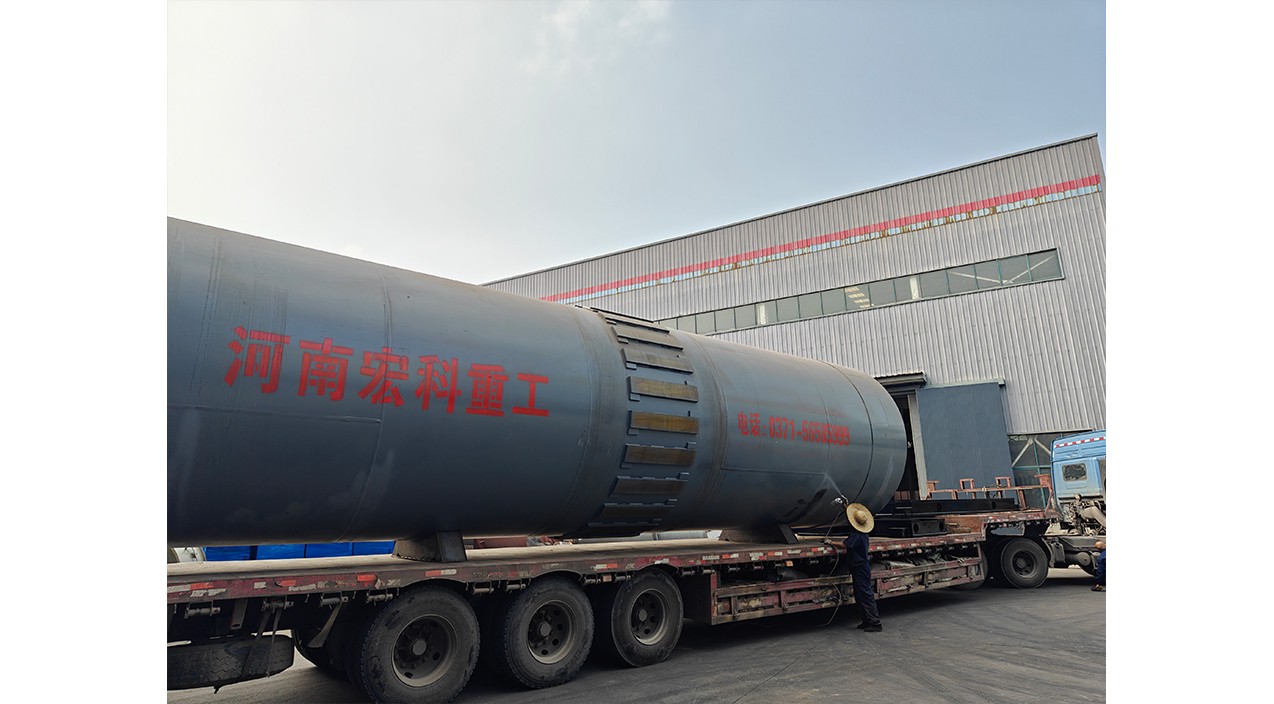
Every rotary kiln project is unique – material properties, capacity scale, fuel conditions, and site environments all differ, and no standardised solution can fit all needs. That is why we offer professional one-on-one customised solution services:
If you already have a material analysis report: Please provide us with your material characteristics (composition, moisture content, particle size, calorific value, etc.), target capacity, and process requirements. Our professional engineering team will tailor a complete solution from equipment selection to system configuration based on your actual data.
If you have not yet conducted material analysis: We recommend completing a basic material analysis first. You can also contact us; we will provide consulting services and technical support for material analysis.
Our services include:
Customised rotary kiln model and specification selection based on material characteristics
Full production line equipment (shell, cooler, combustion system, control system) selection and matching
Equipment layout and site planning recommendations
Investment estimation and economic analysis
Installation and commissioning guidance and operator training
Contact Us: No matter which stage your project is at – whether you are at the process scheme evaluation stage, equipment selection stage, or ready to purchase with confirmed capacity – we welcome your enquiry. The right way to contact a manufacturer: Please provide your material type, target capacity, fuel conditions, and process requirements, and our engineers will precisely match the most suitable rotary kiln solution for you, ensuring every dollar of your investment delivers maximum returns.