

Overflow Ball Mill vs Grate Ball Mill: Technical Comparison
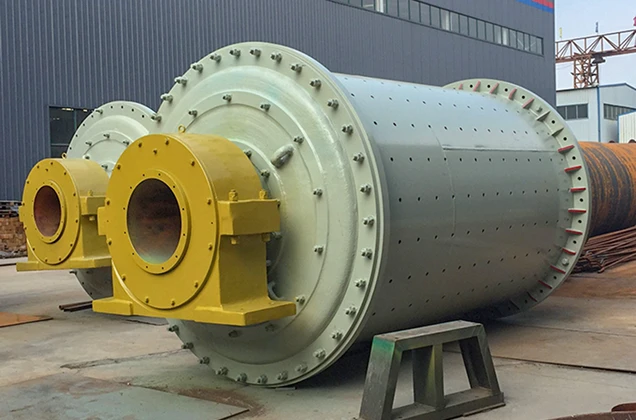
Henan Hongke Heavy Machinery Co., Ltd. is a Chinese manufacturer of industrial rotary kilns, rotary dryers, ball mills, crushers and complete mineral processing production lines. Overflow ball mills and grate ball mills are two common types of ball mill used in concentrators. The difference in their discharge method directly affects grinding fineness, processing capacity and application scenarios. This article compares them in terms of structure, discharge principle, grinding results and selection points, as a reference for grinding equipment selection.
1. Fundamental Difference in Discharge Method
The core difference between the two ball mills is the discharge end structure.
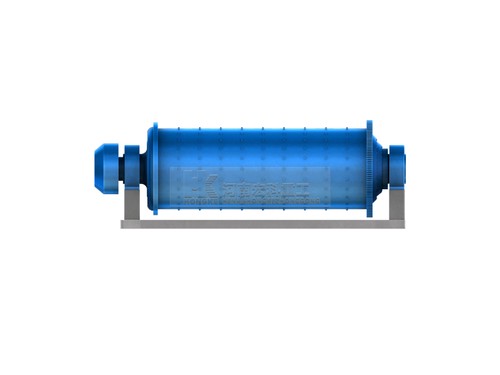
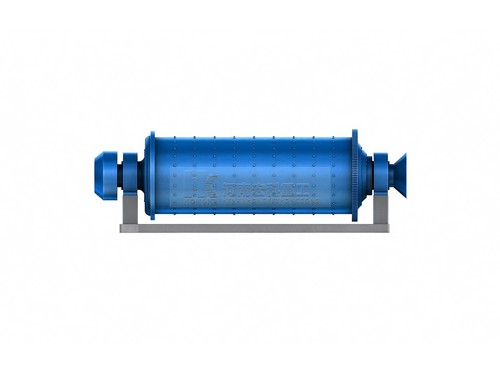
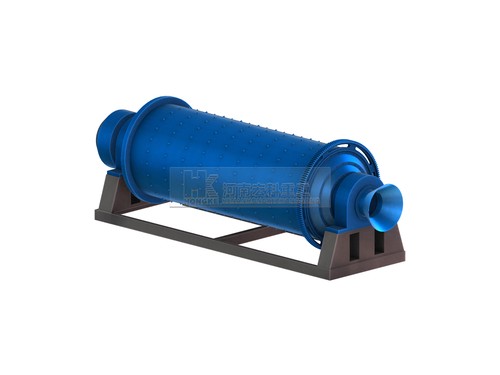
Overflow ball mill has no grate plate at the discharge end. The slurry overflows naturally because the slurry level inside the shell is higher than the lowest generatrix of the discharge opening. The discharge trunnion usually has a reverse spiral inside to prevent grinding balls and large ore from being discharged with the slurry. This is a “natural overflow” discharge method. The slurry level inside the shell is relatively high, and material retention time is longer.
Grate ball mill has a perforated grate plate at the discharge end, and slurry is discharged through the small holes in the grate. A pulp lifter near the discharge end lifts the slurry to the height of the hollow trunnion and forces it out as the mill rotates. This is a “forced discharge” method. Discharge speed is fast, and the slurry level inside the shell is relatively low.
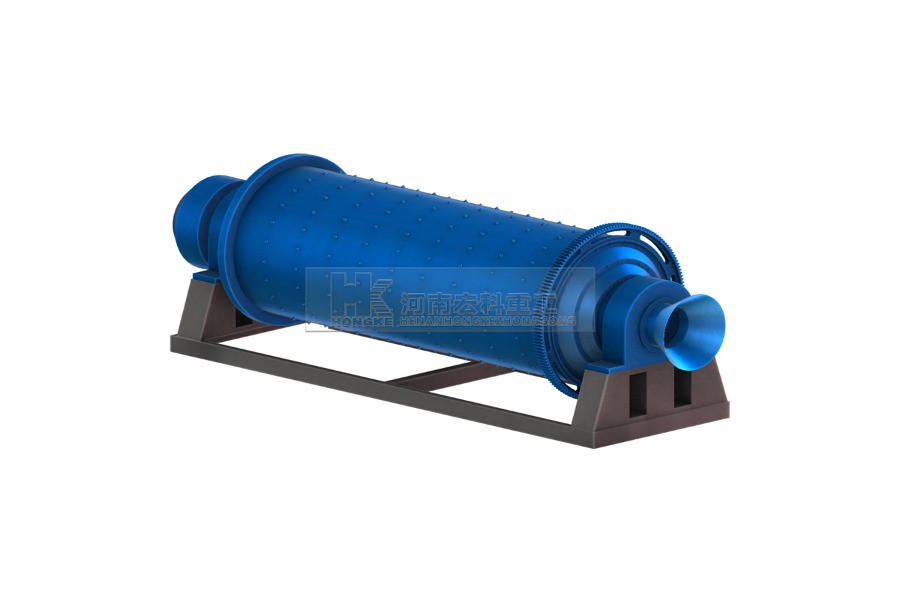
2. Comparison of Grinding Fineness and Processing Capacity
The difference in discharge method directly affects grinding results.
Because the overflow ball mill has a high slurry level and long material retention time, its product is finer, but it is more prone to overgrinding. Its capacity per unit volume is relatively lower, and it suits operations with high product fineness requirements.
The grate ball mill uses forced discharge, so material retention time is short and discharge speed is fast. When processing larger particles, its capacity is higher, and output per unit volume is usually higher than that of the overflow type. Industry test data shows that, at the same shell size, a grate discharge ball mill consumes about 15%–20% more power than an overflow mill, but its processing capacity is also higher. One advantage of the grate ball mill is reduced overgrinding, because particles that have reached the target fineness are discharged faster and are not ground further inside the shell.
Comparison Item | Overflow Ball Mill | Grate Ball Mill |
|---|---|---|
Discharge method | Slurry overflows naturally | Grate plate plus pulp lifter, forced discharge |
Slurry level inside shell | Relatively high | Relatively low |
Material retention time | Longer | Shorter |
Product fineness | Finer, prone to overgrinding | Relatively coarser, less overgrinding |
Capacity per unit volume | Relatively lower | Relatively higher |
Power consumption | Relatively lower | Relatively higher (about 15%–20% higher at the same size) |
Discharge end structure | No grate plate, simpler structure | Grate plate, more complex maintenance |
3. Application Scenarios
Scenarios suitable for overflow ball mills: operations requiring finer grinding products; concentrate regrinding or stage grinding; cases where product size distribution is not strict and fineness is the main requirement; operations with finer feed size and lower throughput.
Scenarios suitable for grate ball mills: coarse grinding; cases with larger feed size and higher processing capacity requirements; circuits that need to reduce overgrinding and discharge particles as soon as they reach the target fineness; coarse grinding stages in a closed circuit with classification equipment.
4. Points to Watch During Selection
The choice between the two ball mills should consider ore properties, feed size, target fineness, throughput and downstream process together:
Run a grinding test first: determine ore grindability and the grinding time needed for the target fineness as the basis for selection;
Consider coarse and fine grinding separately: give priority to the grate type for coarse grinding and the overflow type for fine grinding or regrinding;
Balance capacity and fineness: the grate type has higher capacity but a relatively coarser product, while the overflow type has a finer product but relatively lower capacity. The choice should follow final product requirements;
Calculate power consumption: the grate type consumes more power at the same size, so power cost should be included in operating cost;
Maintenance convenience: the grate type has a grate plate at the discharge end and requires more maintenance work, while the overflow type has a simpler structure;
Closed or open circuit: the grate type is often used in a closed circuit with classification equipment, while the overflow type can be used in open or closed circuit.
5. FAQ
Q1: Which grinds finer, an overflow ball mill or a grate ball mill?
The overflow type usually grinds finer. Because the slurry level is high and material retention time is long, the product is finer, but it is also more prone to overgrinding. The grate type discharges faster and the product is relatively coarser, but overgrinding is less.
Q2: Why does a grate ball mill consume more power?
The grate type uses forced discharge, and the slurry level inside the shell is low. The impact action of falling grinding balls is stronger, and more grinding energy acts on the ore. Therefore, at the same size, power consumption is about 15%–20% higher than the overflow type. This power buys higher processing capacity.
Q3: Can the two ball mill types be converted into each other?
Some equipment can be converted by changing the discharge end structure, but this involves changes to the grate plate, pulp lifter and shell structure, and equipment structure and process feasibility must be evaluated. Before conversion, confirm whether the original equipment supports it.
Q4: Can Henan Hongke provide ball mill selection and supporting equipment?
Yes. Henan Hongke can provide overflow ball mill and grate ball mill selection, as well as liners, grate plates, pulp lifters and other spare parts, together with installation guidance and commissioning training. For more information, see spare parts and after-sales service.
6. Planning a Ball Mill Project? Contact Henan Hongke
If you are planning a grinding project, or if you need a comparison between overflow and grate ball mills, please send the following information to Henan Hongke:
Ore name, hardness and feed particle size;
Target throughput and product fineness requirements;
Coarse or fine grinding process and downstream mineral processing flow;
Project location, power supply conditions and environmental requirements;
Automation control and spare parts supply requirements.
Henan Hongke will provide a preliminary ball mill selection suggestion and configuration proposal based on the project conditions. Please use contact Hongke to send your requirements, or visit our products page to learn more about ball mill products.