

📌 Column Introduction
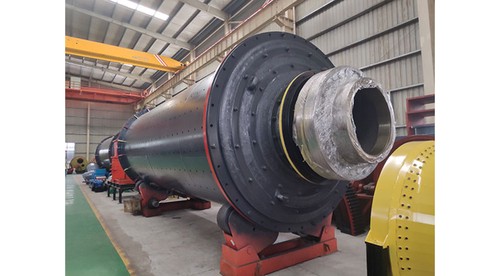
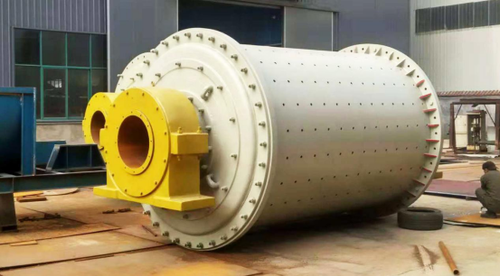
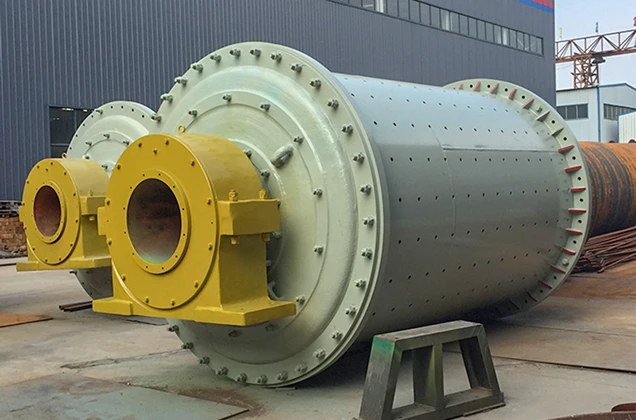
In mining, metallurgy, chemical engineering, building materials, and many other industries, the ball mill serves as the core grinding equipment. Its operational efficiency, product quality, and equipment service life directly impact a company's production efficiency and competitiveness. However, in actual production, ball mills often face challenges such as low beneficiation efficiency, product fineness failing to meet standards, and frequent wear part failures. What are the root causes of these problems? How can scientific equipment management, precise operational control, and timely maintenance keep the ball mill performing at its optimal level consistently?
This column integrates three core topics regarding ball mill operation: diagnosis of low beneficiation efficiency, key factors affecting product fineness, and scientific replacement and management of wear parts, providing you with a systematic reference solution for efficient ball mill operation.
Chapter 1: Diagnosis of Low Beneficiation Efficiency
As an indispensable piece of equipment in the beneficiation process, the ball mill's operational efficiency directly affects the efficiency and cost of the entire processing flow. In actual production, low beneficiation efficiency of ball mills occurs frequently, and the causes can be categorized into three main groups: equipment configuration and structural issues, usage conditions and operational issues, and technical and management issues.
I. Equipment Configuration and Structural Issues
1. Low Equipment Configuration
The equipment configuration level is directly related to its production capacity. If the ball mill's configuration is low, its operational efficiency will naturally fail to reach the ideal state. This is mainly reflected in insufficient motor power, substandard quantity and quality of grinding media, etc. Equipment with low configuration often struggles when processing materials with high hardness or large throughput, resulting in unsatisfactory grinding performance and limited output.
Specifically, insufficient motor power prevents the shell from reaching the rated speed, meaning the grinding media cannot deliver adequate impact and friction forces to the material, directly compromising the crushing effect. Insufficient grinding media quantity means fewer media particles participate in the crushing process per unit time, reducing throughput. Substandard grinding media quality (insufficient hardness, poor wear resistance) leads to rapid wear during operation, not only increasing replacement frequency and cost but also reducing grinding efficiency due to degraded media shape. In addition, if supporting equipment such as classifiers, feeders, and conveyors are underspecified, they become system bottlenecks that constrain the ball mill's capacity.
2. Unreasonable Equipment Structure
The structure of the ball mill has a significant impact on its operational efficiency. For example, if the grinding media (steel balls) inside the mill are too small in size or too numerous, the impact force is insufficient, resulting in poor grinding performance. If the grinding media are too large or too few, the voids between them become excessive, and the material cannot be adequately ground. In addition, if the internal components of the mill are worn or deformed, operational efficiency will be severely affected.
Specific manifestations of unreasonable structure include: improper length-to-diameter ratio of the shell (too short results in insufficient material residence time; too long increases unnecessary energy consumption), unreasonable diaphragm plate position and opening rate (affecting material flow velocity and grinding media classification), and design defects in the discharge device (causing qualified products to fail to discharge in time, leading to over-grinding). Unreasonable structure not only reduces grinding efficiency but also accelerates equipment damage and increases maintenance costs.
II. Usage Conditions and Operational Issues
1. Grinding Feed Material Issues
Factors such as moisture content and particle size of the grinding feed material have a significant impact on ball mill efficiency. Excessive or insufficient moisture, overly coarse or overly fine particle size can all lead to reduced efficiency. When moisture is too high, the material tends to form agglomerates during grinding, adhering to the grinding media and liner surfaces, affecting the grinding effect. In severe cases, this can cause "choking" – material accumulates inside the shell, preventing normal operation. When the feed is too coarse, the grinding burden increases, grinding time extends, and unit capacity decreases. When the feed is too fine, over-grinding may occur, wasting energy and adversely affecting subsequent separation operations.
2. Operating Environment Issues
Ambient temperature that is too high or too low, and rotation speed that is too fast or too slow, all affect ball mill efficiency. In addition, ventilation performance and drying conditions also impact mill performance. For example, in high-temperature environments, poor heat dissipation may cause bearing temperatures to rise, affecting lubrication effectiveness and operational stability. In humid environments, materials readily absorb moisture and form agglomerates, disrupting both feeding and grinding processes. Poor ventilation prevents heat and moisture inside the shell from being expelled in time, causing "stuffing" of the mill.
3. Improper Operation
Improper operation by users is also a significant cause of low beneficiation efficiency. For example, improper feed rate control (fluctuating quantities), unreasonable grinding concentration adjustment, and inaccurate control of classifier overflow concentration can all cause the equipment to deviate from its optimal operating conditions. In addition, if the operator inaccurately judges the grinding condition of the material inside the shell and fails to adjust operating parameters in a timely manner, efficiency will decline.
III. Technical and Management Issues
1. Low Technological Content
Equipment with low technological content often lacks advanced features and cannot meet normal production requirements, which is another reason for low ball mill efficiency. Equipment lacking automated control and intelligent monitoring capabilities cannot achieve precise regulation and fault prediction. For example, without current monitoring devices, operators cannot accurately determine the material load inside the shell; without temperature monitoring devices, hidden issues such as bearing overheating are difficult to detect in time.
2. High Failure Rate
Equipment with a high failure rate inevitably has lower production capacity. Failures may arise from technical issues such as insufficient wear resistance of grinding media, unreasonable transmission system design, or inadequate lubrication systems. Frequent unscheduled downtime not only reduces output but also increases maintenance costs and downtime losses. Each restart also consumes additional energy and time to restore stable operation.
3. Poor Management
Lack of effective equipment management and maintenance systems also leads to low ball mill beneficiation efficiency. For example, failure to perform regular maintenance on equipment, failure to adjust operating parameters in a timely manner, and failure to establish equipment operation records all contribute to the equipment operating偏离 optimal conditions over extended periods. Poor management is also reflected in unplanned wear part replacement – either replacing too early, causing waste, or replacing too late, allowing equipment failures to escalate.
Chapter 2: Key Factors Affecting Product Fineness and Optimization
The product fineness of a ball mill directly relates to product quality and production efficiency. As an important piece of equipment in mining, metallurgy, chemical engineering, and building materials industries, the ball mill's product fineness directly impacts product quality and production efficiency. In actual production, multiple factors affect the product fineness of a ball mill.
I. Working Principle of the Ball Mill
The ball mill operates by driving the shell to rotate via an electric motor, causing the grinding media (such as steel balls) inside the shell to impact and abrade the material through centrifugal force, thereby achieving crushing and mixing. Therefore, the product fineness of the ball mill is closely related to multiple factors, including grinding media characteristics, shell rotation speed, and material properties.
Specifically, the ball mill's grinding process can be divided into three stages: the cascading stage – the shell rotation lifts the grinding media and material to a certain height before they fall, creating impact crushing; the sliding stage – the grinding media and material slide down along the inner wall of the shell, creating attrition grinding; the centrifugal stage – when the rotation speed exceeds the critical speed, the grinding media cling to the shell wall and no longer fall, and the crushing action ceases. Therefore, maintaining an appropriate speed that keeps the grinding media in a state where both cascading and sliding occur is a prerequisite for achieving ideal product fineness.
II. Key Factors Affecting Product Fineness
1. Grinding Media Characteristics
The type, hardness, size, and quantity of grinding media all affect the product fineness of the ball mill. Harder grinding media can more effectively crush the material, improving product fineness. The selection of media size and quantity should be determined based on the material properties and production requirements. In addition, the degree of media wear also affects product fineness, so regular inspection and replacement are necessary.
The mechanisms by which media characteristics affect fineness are as follows:
Media hardness: Higher hardness means greater extrusion and impact crushing capability. When the media hardness is lower than the material hardness, the media itself wears rapidly and cannot effectively crush the material.
Media size: Large steel balls (Φ80-100mm) are primarily used for impact crushing, suitable for coarse grinding stages; small to medium steel balls (Φ40-60mm) are primarily used for attrition, suitable for fine grinding stages. A single size of steel balls cannot meet both coarse and fine grinding requirements.
Media size distribution: Proper steel ball gradation (proportion of large, medium, and small balls) is key to achieving ideal fineness. Improper gradation leads to either overly coarse or overly fine products, while also affecting grinding efficiency.
Media filling rate: When the filling rate is too low (<30%), the number of collisions between grinding media is insufficient, reducing crushing efficiency; when too high (>50%), the movement space of the grinding media is restricted, also affecting efficiency. Generally, the filling rate should be controlled within 30%-45%.
2. Shell Rotation Speed
Shell rotation speed is another important factor affecting product fineness. Generally, higher rotation speed increases the impact and friction forces of the grinding media on the material, improving fineness. However, excessively high speed also increases energy consumption and wear, so reasonable adjustment based on material properties and production requirements is necessary.
There is a concept of critical speed regarding the effect of rotation speed on fineness: when the speed reaches 76%-88% of the critical speed (the "operating speed" range), the grinding media achieve the optimal cascading trajectory and the best crushing effect. Below this range, the media primarily slide, with insufficient impact; above this range, the centrifugal force on the media increases, the falling height decreases, and the crushing effect actually declines. Therefore, higher speed is not always better – there is an optimal speed range.
3. Material Properties
Material properties such as hardness, moisture content, and particle size distribution also affect ball mill product fineness. Harder materials require greater crushing force to achieve the desired fineness. Materials with higher moisture content tend to form agglomerates during grinding, affecting fineness. Materials with uneven particle size distribution require longer grinding time to achieve the desired fineness.
Detailed analysis:
Material hardness: Measured by Mohs hardness or Bond work index. Higher hardness means greater energy consumption per unit of product and lower mill capacity. For high-hardness materials, it is necessary to increase the impact energy of the grinding media (increase steel ball size or raise speed).
Material moisture: Generally, the feed material moisture should be controlled below 1%-2%. Excessive moisture causes paste coating and choking; in severe cases, the mill must be stopped for cleaning. For high-moisture materials, drying equipment can be installed before the mill.
Feed particle size: Finer feed particle size results in higher mill output and easier fineness control. Generally, feed particle size should be ≤20-25mm, following the principle of "more crushing, less grinding" by strengthening the upstream crushing stage to reduce feed size.
Material grindability: The grindability of different ores varies greatly. This can be evaluated through Bond work index testing. A higher index indicates that the material is more difficult to grind and requires more energy input.
4. Operational Process
The operational process is also an important factor affecting ball mill product fineness. For example, feed rate control, grinding concentration adjustment, and classifier overflow concentration control all affect product fineness. In addition, equipment maintenance and the skill level of operators also impact product fineness.
Key control points in the operational process include:
Feed rate: Excessive feed rate shortens the material residence time in the shell, resulting in coarser product; insufficient feed rate causes excessive empty grinding of the media, increasing energy consumption and accelerating wear of liners and grinding media. Feed rate should be adjusted based on current monitoring and sound detection to keep the mill operating at optimal load.
Grinding concentration: Excessive slurry concentration reduces material fluidity, decreasing grinding efficiency; insufficient concentration causes the material to flow too quickly through the shell, resulting in coarser product. Generally controlled within 65%-85%, depending on material properties and fineness requirements.
Classifier overflow concentration: Excessive overflow concentration indicates poor classification, allowing coarse particles to enter the concentrate and affect grade; insufficient overflow concentration allows fine particles to be lost to tailings. Controlled by adjusting the overflow weir height and adding process water.
Circulating load: In closed-circuit grinding, the ratio of returned coarse material to new feed is called the circulating load. Excessive circulating load causes over-grinding and increased energy consumption; insufficient circulating load reduces classification efficiency and coarsens product fineness. Generally controlled within 200%-300%.
III. Measures to Optimize Product Fineness
1. Select Appropriate Grinding Media
Selecting appropriate grinding media based on material properties and production requirements is key to improving product fineness. For example, for harder materials, choose harder grinding media; for materials with uneven particle size distribution, choose media with a narrower size distribution.
Specific operational recommendations:
Regularly inspect steel ball wear; add new balls in a timely manner based on wear patterns to maintain stable ball size distribution
Adjust ball size distribution in response to changes in feed particle size and hardness
For special materials (high hardness, high viscosity), consider using special media materials (high-chromium balls, ceramic balls, etc.)
2. Adjust Shell Rotation Speed
Reasonably adjusting shell rotation speed based on material properties and production requirements is an effective measure for optimizing product fineness. In practice, the optimal speed range can be determined through testing. Variable frequency drives enable precise speed control, allowing flexible adjustments for different material characteristics and production stages.
3. Control Material Properties
Controlling material properties to improve product fineness is also an effective approach. For example, optimizing material properties by controlling feed rate, grinding concentration, and classifier overflow concentration parameters; for high-moisture materials, drying measures can be taken to reduce moisture.
Systematic material control measures include:
Establish a feed material quality inspection system, testing moisture, particle size, and other indicators each shift
Install crushing and screening systems ahead of the mill to strictly control feed particle size
For materials with excessive moisture, install a drying system or use a hot-air mill
Adjust operating parameters promptly based on material property changes to achieve dynamic optimization
4. Strengthen Operational Process Management
Strengthening operational process management is an important safeguard for improving ball mill product fineness. This can be achieved by developing detailed operating procedures, strengthening equipment maintenance, and improving operator skill levels to ensure the stability and reliability of the operational process.
Specific measures include:
Develop standardized operating procedures and process cards, clearly defining normal ranges for all key parameters
Establish an operation record system, documenting feed rate, grinding concentration, current, temperature, and other operating parameters in detail
Organize regular operator training and technical exchanges to improve fault diagnosis and response capabilities
Introduce automation control systems to achieve automatic control of feeding, water addition, and concentration adjustment
Chapter 3: Scientific Replacement and Management of Wear Parts
As an important grinding equipment widely used in mining, building materials, chemical engineering, and other industries, ball mills experience gradual wear or damage to certain components due to prolonged friction, impact, and corrosion during operation. These components are known as wear parts. Timely replacement of wear parts is key to ensuring normal ball mill operation, improving production efficiency, and reducing failure rates.
I. Overview of Ball Mill Wear Parts
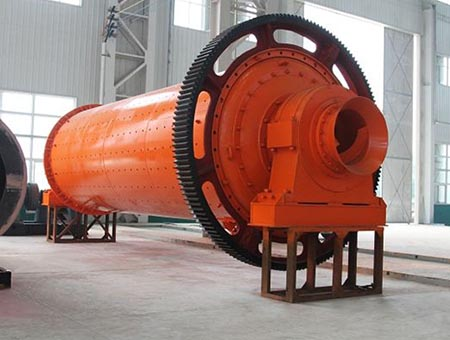
The main wear parts of a ball mill include liners, feed and discharge spirals, pinion gears, large gears (girth gears), bearing bushes, and hollow shafts. These components are subjected to various forces during ball mill operation and are prone to wear or damage.
Functions and failure modes of each wear part:
Liners: Installed on the inner wall of the shell to protect the shell from direct impact and friction by grinding media and material. In addition, the surface shape of the liners (corrugated, stepped, etc.) affects the movement trajectory of the grinding media. Failure modes include wear thinning, cracks and fractures, and loose or falling bolts.
Feed and discharge spirals: Located at both ends of the shell, responsible for material inlet and outlet. Failure mode is wear thinning and fracture of the spiral blades.
Pinion gear and girth gear: Form the transmission system, transferring motor power to the shell. Failure modes include tooth surface wear, pitting, tooth breakage, and gear deformation.
Bearing bushes: Sliding bearings supporting the hollow shafts, bearing the entire weight of the rotating part. Failure modes include wear and burning (due to overheating from poor lubrication).
Hollow shafts: Connect the shell to the feed and discharge devices, serving as the main support components of the shell. Failure modes include journal wear, cracks, and deformation.
II. Timing for Wear Part Replacement
1. Liners
Liners are the main protective components inside the ball mill, subject to impact and friction from grinding media and material. When liner wear reaches 70% or cracks of 70mm in length appear, the liners should be replaced promptly. In addition, if liner bolts are damaged, causing liner looseness, they should also be replaced immediately.
Detailed liner replacement standards:
Inspection Item | Replacement Standard | Inspection Method |
|---|---|---|
Thickness wear | Wear exceeds 70% of original thickness | Regular shutdown measurement using thickness gauge or caliper |
Cracks | Cracks ≥70mm in length appear | Visual inspection; penetrant testing if necessary |
Bolt looseness | Liner bolts damaged causing looseness | Regular bolt tightening inspection; handle abnormalities promptly |
Surface shape | Liner surface corrugations or steps worn flat | Observe whether grinding media movement trajectory is abnormal |
Uneven liner wear also causes uneven mass distribution in the shell, leading to increased vibration and energy consumption. Therefore, it is recommended to conduct a comprehensive inspection of the shell interior when replacing liners, clean residual materials, and check for shell deformation.
2. Feed and Discharge Spirals
Feed and discharge spirals are components used to convey materials in the ball mill. When the spirals are severely worn, weld repair should be performed promptly. If wear makes repair impossible, new spirals should be installed.
Worn spiral blades cause poor feeding and discharging, affecting the mill's throughput and grinding efficiency. Severe wear may also cause material backflow or blockage, so spiral blade thickness and integrity should be regularly inspected.
3. Pinion Gear and Girth Gear
The pinion gear and girth gear are important components in the ball mill transmission system. Pinion gear tooth surface wear should not exceed 30% of tooth thickness. When girth gear tooth surface wear exceeds 25% of tooth thickness, the gear can be turned over for use. When wear reaches 1/2 of tooth thickness, replacement is required. In addition, the girth gear rim distortion deformation should not exceed 7.5mm; otherwise, replacement is also required.
Gear transmission maintenance points:
Regularly inspect tooth surface contact patterns; contact marks should be in the middle of the tooth surface with a length not less than 50% of tooth length
Regularly measure backlash and tip clearance to ensure they remain within specified ranges
Pay attention to gear lubrication; use dedicated open-gear lubricant to maintain a complete oil film on tooth surfaces
Check whether the connecting bolts between the girth gear and shell are loose to prevent gear displacement
4. Bearing Bushes
Bearing bushes are components that journal friction in the ball mill. When bush wear exceeds 1/3 of its thickness, replacement is required.
Bearing bushes are among the most critical support components in the ball mill, and their operating condition directly affects the safety of the entire machine. Common causes of bush failure include: deterioration or insufficient supply of lubricating oil, failure of the circulating cooling water system causing temperature rise, improper clearance adjustment during installation (too small leads to increased friction, too large causes vibration), and prolonged overload operation. In daily operation, close attention should be paid to bush temperature (normal should be <50°C; exceeding 65°C is an alarm value) and lubricating oil condition.
5. Hollow Shafts
Hollow shafts are important support components of the ball mill. When grooves or spots appear on the outer surface of the hollow shaft, or when localized wear through on the inner surface causes deformation or cracks, the hollow shaft should be replaced.
Hollow shaft damage often results from delayed replacement of worn bearing bushes, lubrication failure, or prolonged overload operation. Once a hollow shaft suffers severe damage, repair is difficult and costly, so preventive maintenance is particularly important.
III. Precautions for Replacing Wear Parts
1. Select Appropriate Wear Parts
When replacing wear parts, components that match the original equipment should be selected to ensure stable performance after replacement. Mismatched wear parts may lead to poor assembly, abnormal operation, and even secondary failures.
When selecting wear parts, focus on:
Whether the material matches the original design (liner materials include high-manganese steel, alloy steel, rubber, etc.)
Whether dimensional accuracy meets drawing requirements
Whether there is a certificate of conformity and quality inspection report
For critical components (such as the girth gear), preferably choose original parts or products from verified suppliers
2. Follow Operating Procedures
When replacing wear parts, operating procedures should be followed to ensure operational safety. Particularly during disassembly and installation, care should be taken to protect other components from damage.
Key safety operation points include:
After shutdown, the power supply must be cut off and warning signs posted to prevent accidental startup
Safety lighting (12V or less) and dedicated supervision are required when working inside the shell
Prevent falling components from causing injury when disassembling bolts
Pay attention to sequence and tightening torque when installing liners to ensure close contact between liners and the shell
3. Inspect Installation Quality
After replacing wear parts, a trial run should be conducted to check whether installation quality is satisfactory. If any abnormal conditions are found, they should be addressed promptly. Trial operation is a critical step for verifying the replacement effect and should not be overlooked.
Trial run inspection items include:
No-load trial run: check whether all components operate normally, with no abnormal vibration or noise
Load trial run: gradually increase feed rate and observe whether parameters such as current and temperature remain stable
Fineness testing: sample and test whether product fineness meets requirements
72-hour continuous operation assessment: verify long-term operational stability after replacement
Chapter 4: Comprehensive Solutions and Optimization Strategies
Based on the three dimensions of efficiency diagnosis, product fineness optimization, and wear part management, the following are comprehensive recommendations for efficient ball mill operation.
I. Improve Equipment Configuration and Structural Level
Select a ball mill that meets standard production requirements, ensuring reasonable configuration and excellent structure. For equipment already in operation, regularly inspect the internal structure for integrity and promptly repair worn or deformed components.
During the equipment selection stage, the following factors should be fully considered:
Material characteristics: hardness, moisture, particle size distribution, abrasiveness, etc.
Capacity requirements: daily and annual throughput, with 10%-15% surplus capacity reserved
Product fineness requirements: different beneficiation processes have different fineness requirements (e.g., magnetic separation generally requires -200 mesh 60%-70%, flotation requires finer)
Site conditions: installation space, foundation bearing capacity, power supply, etc.
Investment budget: comprehensive consideration of equipment price, installation costs, operating costs, and maintenance costs
Avoid "small horse pulling a large cart" (equipment configuration too low to meet capacity requirements) or "large horse pulling a small cart" (equipment configuration too high, causing wasted investment and increased energy consumption under low-load operation).
II. Optimize Usage Conditions and Operation
Optimize conditions such as moisture and particle size of the grinding feed material to ensure compliance with standards. Control ambient temperature, rotation speed, and other factors to ensure the equipment operates at its best.
Specific operational recommendations:
Feed control: Use variable frequency drive feeders to achieve stable feed rate control; install belt scales for real-time feed monitoring
Concentration control: Install density meters or conduct regular sampling tests; adjust added water quantity promptly based on test results
Grinding media management: Establish a steel ball addition schedule; periodically replenish new balls; regularly remove small broken balls and debris from the shell
Environmental control: Ensure good ventilation in the mill building; provide cooling in summer; prevent material freezing in winter
Strengthen operator training to improve proficiency and reduce operational errors. Establish standardized operating procedures to regulate key operations such as feed rate control and grinding concentration adjustment.
III. Enhance Technical and Management Levels
Introduce advanced technology and management practices to improve the technological content and reliability of equipment. Specific measures include:
Automation upgrades: Install PLC/DCS control systems to achieve automatic control of feeding, water addition, and concentration adjustment
Condition monitoring: Install online monitoring devices for current, temperature, vibration, etc., to achieve real-time equipment status awareness
Data analysis: Establish an equipment operation database; through data analysis, identify patterns and predict failures
Strengthen the establishment and enforcement of equipment management and maintenance systems to ensure the equipment remains in good operating condition. Establish a wear part replacement ledger, recording replacement times and wear conditions of each wear part to achieve predictive maintenance. Through regular inspections, data analysis, and trend prediction, transform reactive maintenance into proactive prevention.
IV. Common Faults and Emergency Responses
1. Choking (Pasting)
Symptoms: Mill current drops, output decreases, shell sound is muffled, possibly accompanied by shell vibration.
Causes: Excessive feed rate, excessive material moisture, insufficient grinding media filling rate, poor ventilation, etc.
Response: Immediately reduce or stop feeding; increase ventilation; add grinding aids if necessary; or clean accumulated material from the shell.
2. Excessive Bearing Bush Temperature
Symptoms: Bush temperature continues to rise exceeding 65°C, possibly accompanied by abnormal noise.
Causes: Insufficient or deteriorated lubricating oil, cooling water system failure, bush wear or improper clearance, excessive load.
Response: Check oil quantity and quality; replenish or replace lubricating oil; check cooling water flow and temperature; if temperature continues to rise, shut down to inspect the bush.
3. Abnormal Vibration
Symptoms: Noticeable vibration during mill operation, possibly accompanied by periodic noise.
Causes: Loose or falling liners, poor gear meshing, bearing wear, uneven material distribution inside the shell.
Response: Shut down and inspect liner bolt tightness; check gear meshing clearance and contact patterns; inspect bearing condition.
Customised Solution Services
Every ball mill project is unique – material properties, capacity scale, process requirements, and site conditions all differ, and no standardised solution fits all needs. That is why we offer professional one-on-one customised solution services:
If you already have a material analysis report: Please provide us with your material characteristics (hardness, moisture, particle size distribution, etc.), target capacity, and process requirements. Our professional engineering team will tailor a complete solution from equipment selection to system configuration based on your actual data.
If you have not yet conducted material analysis: We recommend completing a basic material analysis (grindability test, Bond work index determination, etc.) first. You can also contact us; we will provide consulting services and technical support for material analysis.
Our services include:
Customised ball mill model and specification selection (grate/overflow type, wet/dry, etc.) based on material characteristics
Full production line equipment (mill, classifier, feed system, control system) selection and matching
Grinding media (steel ball) gradation scheme design
Equipment layout and site planning recommendations
Investment estimation and economic analysis
Installation and commissioning guidance and operator training
Wear part supply and maintenance solutions
Contact Us: No matter which stage your project is at – whether you are at the process scheme evaluation stage, equipment selection stage, or already in production and needing optimization upgrades – we welcome your enquiry.
The right way to contact a manufacturer: Please provide your material type, target capacity, product fineness requirements, and process conditions, and our engineers will precisely match the most suitable ball mill solution for you, ensuring every dollar of your investment delivers maximum returns.