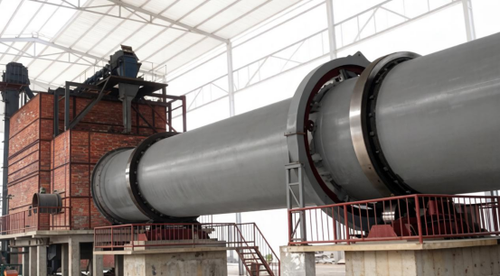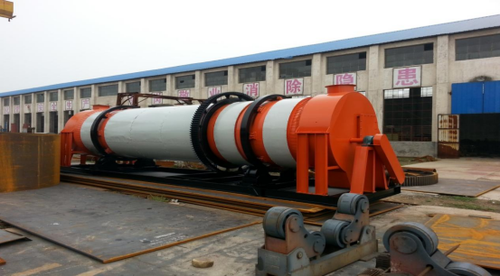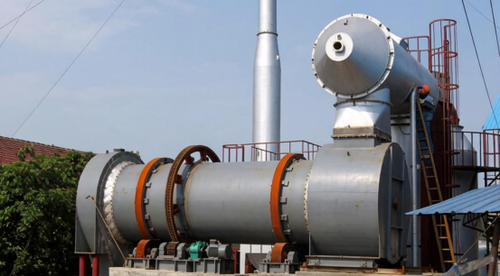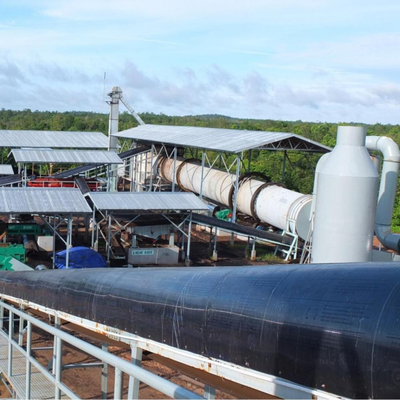
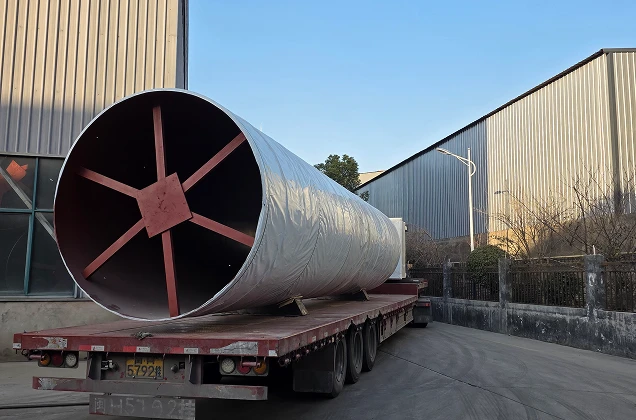
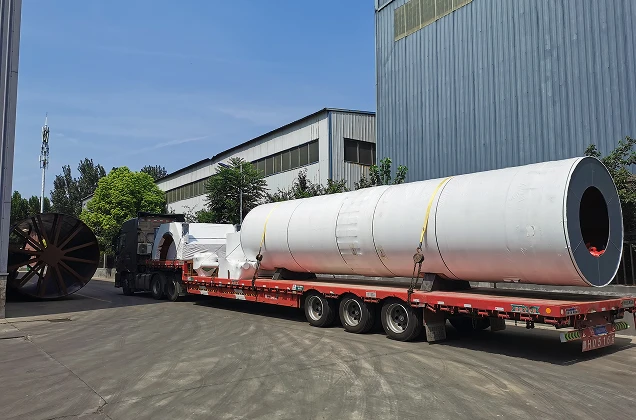
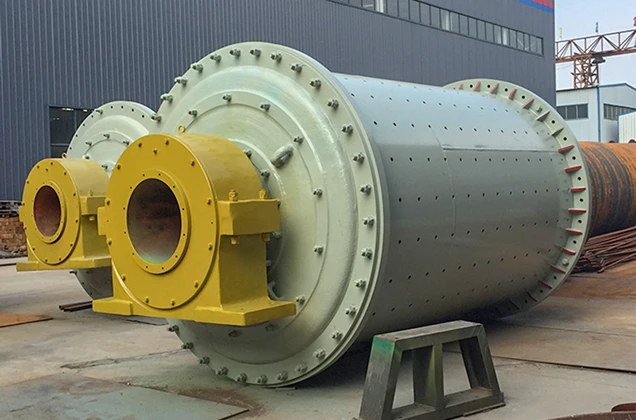
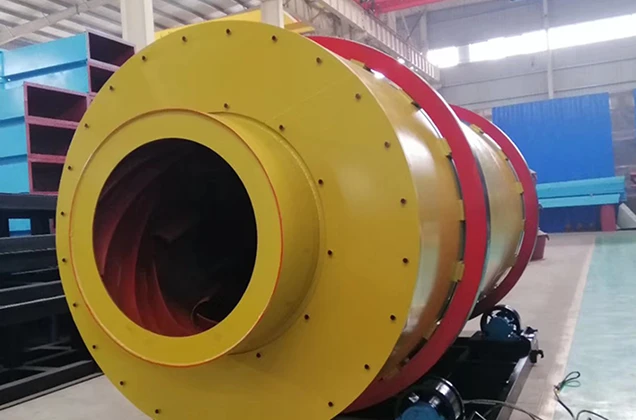


In mining, metallurgy, chemical engineering, agriculture, environmental protection, and many other industries, the dryer (also known as drying equipment) plays an indispensable role – it uses thermal energy to remove moisture from various wet materials, bringing them to an ideal state for storage, transportation, and further processing. Whether it is the dewatering of industrial materials such as mineral slag and coal slime, or the resource utilization of agricultural wastes such as chicken manure and sludge, the dryer is key equipment for realizing material value enhancement.
This column starts with the working principles of dryers, systematically presenting their core functions, application scenarios, applicable material types, and an in-depth analysis of the added economic value after drying. Finally, it provides you with a scientific and practical guide for investing in drying equipment.
Chapter 1: Working Principles of Dryers
There are many types of dryers, which can be divided into belt drying, drum drying, box drying, tower drying, and other modes according to their structure and working principles. Among these, the rotary drum dryer (also known as the rotary dryer or rotary drying machine) is the most widely used continuous drying equipment in the industrial field. River sand dryers, manure dryers, and others all belong to this category.
I. Core Working Principle
The basic working principle of a dryer is based on heat and mass transfer. Taking the most common rotary drum dryer as an example, its working process is as follows:
Feeding Stage: Wet material is transported to the feed hopper by a belt conveyor or bucket elevator, and then fed into the feed end through the feeding pipe via a feeder. The slope of the feeding pipe must be greater than the natural angle of repose of the material to ensure smooth entry into the dryer.
Lifting and Dispersion Stage: The inner wall of the dryer shell is equipped with lifting boards (flight boards). When the shell rotates, the lifting boards continuously pick up and scatter the material, evenly distributing it across the radial cross-section of the shell, increasing the contact area between the material and the hot air, thereby accelerating the drying rate.
Heat Exchange Stage: The dryer shell is a rotating cylinder slightly inclined to the horizontal. Material is fed from the higher end, while the heating medium (hot air, flue gas, etc.) enters from the lower end, contacting the material in counter-current flow. Some designs also allow co-current flow where the heating medium and material enter together. As the cylinder rotates, the material moves toward the lower end under gravity, during which it directly or indirectly receives heat from the heating medium, and moisture is continuously evaporated.
Discharge and Exhaust Gas Treatment Stage: The dried material is discharged from the discharge end via a belt conveyor or screw conveyor. After passing through the dryer, the heating medium generally needs to pass through a cyclone dust collector to capture entrained material particles. To further reduce dust content in the exhaust gas, it should also pass through a bag filter or wet dust collector before being released into the atmosphere.
II. Key Technical Points
Lifting and Breaking System: Taking the livestock manure dryer as an example, the shell is equipped with lifting boards and a central mixing and breaking system. The rotation speed of the shell and the mixing shaft can be adjusted independently, ensuring uniform particle size, sufficient heat absorption, and fast drying speed.
Heat Source System: The heat source for dryers can come from various energy sources such as coal, electricity, and gas. For the livestock manure dryer, the combustion system uses coal converted into gas via a gas generator for combustion, which further improves fuel utilization and reduces pollution caused by the large amount of sulfides and dust generated from direct coal combustion.
Dust Collection and Environmental Protection System: The flue gas generated during drying passes through a cyclone dust collector before entering a water tank for absorption and treatment. For applications with stricter exhaust gas dust requirements, such as river sand drying, it should also pass through a bag filter or wet dust collector before being discharged.
Chapter 2: Functions of Dryers
Dryers play multiple key roles in industrial production, and their core value can be summarized in the following aspects:
I. Moisture Removal and Physical Property Improvement
The most basic function of a dryer is removing excess moisture from materials to achieve the desired moisture content. Taking river sand drying as an example, the initial moisture content of 15% can be reduced to below 0.5%-1% after drying. Taking livestock manure drying as an example, the dryer can process fresh manure with a moisture content as high as 70%-80% through high-temperature drying, reducing it to below 13%-15%. The reduction in moisture content directly leads to a significant decrease in material volume and weight, facilitating storage and transportation.
II. Sterilization and Safety Enhancement
The high-temperature environment during the drying process simultaneously achieves sterilization and deodorization. For materials containing large amounts of pathogenic microorganisms and organic matter, such as livestock manure and sludge, drying treatment can effectively kill harmful bacteria and parasite eggs, eliminate foul odors, bring the material up to hygiene and safety standards, and create conditions for subsequent resource utilization.
III. Morphological Transformation for Further Processing
The dried material has uniform particle size and good flowability, facilitating subsequent processes such as crushing, granulation, and packaging. Taking organic fertilizer production as an example, the dried manure can be directly used as organic fertilizer base material or further processed into granular organic fertilizer products, significantly enhancing the product's commercial value and market competitiveness.
IV. Waste Reduction and Resource Recovery
The dryer is an important tool for achieving waste reduction, harmless treatment, and resource recovery. Through drying treatment, large quantities of wet waste materials that were previously difficult to handle (such as livestock manure, sludge, medicinal residues, and distiller's grains) can be converted into valuable resource products, solving environmental problems while creating economic value.
Chapter 3: Application Scenarios
Dryers have an extremely wide range of applications, covering almost all industrial sectors and agricultural fields that require material drying.
I. Mining and Building Materials Industry
In mineral processing, building materials, metallurgy, and other sectors, dryers are mainly used for drying materials with certain moisture content or particle size. River sand dryers are widely used in building materials, metallurgy, mineral processing, chemical engineering, cement, and other industries, specifically including:
Sand and gravel: river sand, manufactured sand, quartz sand, garnet sand, etc.
Slag and powder materials: mineral slag, mineral powder, coal slag, etc.
Building materials raw materials: clay, bentonite, limestone, etc.
II. Chemical Industry
Drying applications in the chemical industry include:
Fertilizers and compound fertilizers: ammonium sulfate, ammonium nitrate, urea, calcium magnesium phosphate fertilizer, compound fertilizer, etc.
Chemical raw materials: oxalic acid, potassium dichromate, polyvinyl chloride, etc.
Powder and granular materials: carbon black, light calcium carbonate, titanium dioxide, gypsum, etc.
III. Agriculture and Livestock Industry
Agriculture and livestock processing are important application areas for dryers:
Livestock manure: chicken manure, duck manure, pig manure, cattle manure, etc.
Crop straw: straw, forage, leaves, etc.
Processing by-products: distiller's grains, medicinal residues, fruit pomace, starch residue, soy sauce residue, bagasse, etc.
IV. Environmental Protection and Waste Treatment
Environmental protection is one of the fastest-growing application directions for dryers, particularly suitable for pig farms and areas with developed livestock industries:
Livestock farm manure treatment: resource utilization of manure from large, medium, and small-scale farms
Sludge treatment: municipal sludge, industrial sludge, etc.
Organic waste: food processing waste, slaughterhouse waste, etc.
Chapter 4: Applicable Materials for Drying
Dryers have strong adaptability and can handle materials of various forms and properties. The following is a summary of common dryable material types:
I. Classification by Material Source
Category | Specific Materials |
|---|---|
Mining and Building Materials | River sand, manufactured sand, quartz sand, mineral slag, mineral powder, coal slag, limestone, clay |
Chemical Materials | Ammonium sulfate, ammonium nitrate, urea, oxalic acid, polyvinyl chloride, carbon black, light calcium carbonate |
Agricultural and Livestock Materials | Chicken manure, pig manure, cattle manure, forage, straw, distiller's grains, medicinal residues, fruit pomace |
Organic Waste | Sludge, food processing waste, slaughterhouse waste |
II. Key Material Property Requirements
Different materials have different requirements for drying equipment:
High-moisture materials (generally referring to materials with moisture content greater than 30%): rotary dryers are particularly suitable. Taking the livestock manure dryer as an example, the applicable material is fresh manure with moisture content below 80%. The feed moisture content is generally 70%±5%, and the discharge moisture content can be controlled at 15%±5%.
Bulk materials: river sand, yellow sand, sea sand, garnet sand, and other bulk materials, as well as cement plant mineral powder, dry-mix mortar production lines, and various other drying applications, can all be processed using river sand dryers.
Lump, granular, and powder materials: capable of drying lump, granular, and powder materials below 20-40mm.
Material residence time: generally 12-30 minutes, adjustable according to material characteristics and drying requirements.
Chapter 5: Added Economic Value After Drying
Material drying is not merely a drying process but also a value-creation process that transforms "waste" into "resources." Taking livestock manure drying as an example, the added economic value after drying is particularly significant.
I. Value Chain of Livestock Manure Drying
Fresh chicken manure typically has a moisture content as high as 70%-80%, and direct discharge causes serious environmental pollution. After drying treatment, it can be converted into various high-value products:
1. Organic Fertilizer
The dried manure can be made into pure organic fertilizer for agricultural production. The dried product has fine particle size and good uniformity, and can be directly used as organic fertilizer base material or further processed into granular products.
2. Animal Feed
The dried product can also be sold as feed for farmed turtles, fish, snails, chickens, ducks, etc. , realizing the resource utilization of waste and creating additional revenue for farms.
3. Edible Fungus Culture Medium
The fine-particle dried organic fertilizer product can be used as a culture medium for cultivating edible mushrooms such as Agaricus bisporus.
II. Environmental and Social Benefits
Beyond direct economic returns, material drying also brings significant environmental and social benefits:
Solving environmental challenges for livestock farms: manure drying equipment is specifically designed to address manure treatment issues at livestock farms, recognized as a national Spark Program promotion project and recommended by environmental protection authorities
Reducing environmental pollution: the drying process uses coal converted to gas via a gas generator for combustion, reducing pollution caused by the large amount of sulfides and dust generated from direct coal combustion
Resource recycling: achieving a cycle between planting and breeding, with both ecological and economic benefits realized
Chapter 6: How to Invest in a Dryer – A Selection and Decision Guide
Rational selection of a dryer is key to saving investment, reducing operating costs, ensuring product quality, and maximizing economic returns. The following is a systematic guide for dryer investment decisions.
I. Preparation Before Selection
1. Clarify Material Characteristics
Material characteristics are the primary factor to consider when selecting drying equipment. You need to determine the following key parameters:
Material type and source
Initial moisture content (feed moisture)
Target moisture content (discharge moisture requirement)
Physical and chemical properties such as particle size, density, and heat sensitivity
2. Determine Capacity Requirements
Determine the required processing capacity (tons per hour) based on production scale. Taking Hongke Heavy Industry's manure dryer as an example, its processing capacity ranges from 1.0-1.5 t/h to 18-20 t/h.
3. Understand Heat Source Conditions
Determine the available heat source types (coal, electricity, natural gas, biomass, etc.) and local energy prices, as these will directly affect operating costs. Fuel options include coal, oil, gas, and various other forms.
II. Key Selection Parameter Reference
Manure Dryer Technical Parameters:
Model | Capacity (t/h) | Feed Moisture (%) | Discharge Moisture (%) | Main Motor (kW) | Mixing Motor (kW) | Induced Fan (kW) |
|---|---|---|---|---|---|---|
Φ800×7m | 1.0-1.5 | 70±5 | 15±5 | 5.5 | 2.2 | 7.5 |
Φ1000×7m | 1.5-2.0 | 70±5 | 15±5 | 5.5 | 3 | 7.5 |
Φ1200×7m | 1.8-3.0 | 70±5 | 15±5 | 7.5 | 3 | 11 |
Φ1500×7m | 3.0-4.0 | 70±5 | 15±5 | 11 | 7.5 | 22 |
Φ2000×7m | 4.0-5.0 | 70±5 | 15±5 | 18.5 | 7.5 | 22 |
Φ2000×8m | 5.0-6.0 | 70±5 | 15±5 | 18.5 | 11 | 30 |
Φ2200×8m | 6.0-8.0 | 70±5 | 15±5 | 30 | 11 | 30 |
Φ2500×8m | 10-12 | 70±5 | 15±5 | 37 | 15 | 30 |
Φ2800×9m | 12-18 | 70±5 | 15±5 | 45 | 18.5 | 30 |
River Sand Dryer Technical Parameters:
Parameter | Φ2.0×6m | Φ2.5×6.5m | Φ2.7×7m | Φ3×7m | Φ3.2×7m | Φ3.6×8m | Φ4.2×8.5m |
|---|---|---|---|---|---|---|---|
Outer Shell Diameter (m) | 2.0 | 2.5 | 2.7 | 3.0 | 3.2 | 3.6 | 4.2 |
Shell Volume (m³) | 18.84 | 31.89 | 40.5 | 49.46 | 56.26 | 81.38 | 118 |
Shell Speed (rpm) | 3-10 | 3-10 | 3-10 | 3-10 | 3-10 | 3-10 | 3-10 |
III. Five Basic Principles of Selection
1. Prioritize Applicability
The ideal selection must be based on the user's own conditions and material factors, with appropriate emphasis to find the model best suited to the specific material. Before selection, it is best to conduct material drying tests and gain in-depth understanding of the drying equipment already used for similar materials.
2. Capacity Matching
Select a dryer with processing capacity appropriate to the production scale. Equipment that is too large or too small will affect both production efficiency and product quality.
3. Energy Efficiency and Environmental Protection
Prioritize equipment with low energy consumption and low emissions. Taking the river sand dryer as an example, advanced models consume 1/3 the coal of single-shell dryers, save 40% electricity, with coal consumption <9 kg per ton; they improve thermal efficiency by over 40% compared to traditional single-shell dryers.
4. Comprehensive Evaluation of Operating Costs
Do not focus solely on equipment price; comprehensively evaluate:
Energy consumption: heat source type and consumption rate
Maintenance costs: equipment failure rate and wear part service life. High-quality equipment has fewer failures, lower maintenance costs, and lower power consumption
Labor costs: level of automation. Equipment with high mechanization and continuous operation capability can significantly reduce labor costs
5. Equipment Quality and Durability
Pay attention to the materials and manufacturing processes of the equipment. Equipment manufactured using wear-resistant manganese steel plates is 3-4 times more wear-resistant than ordinary steel plates, significantly extending service life and reducing replacement costs.
IV. Common Selection Misconceptions
Misconception 1: Blindly pursuing low prices
Equipment prices vary greatly between manufacturers and configurations. Focusing only on price while ignoring configuration may result in substandard equipment performance and high operating costs.
Misconception 2: Ignoring differences in material characteristics
There are at least a dozen types of dryers, each designed for completely different materials and operating conditions. Using the wrong type can lead to extremely low efficiency.
Misconception 3: Overlooking heat source costs
The heat source is the main cost component of dryer operation. The economic viability of different heat sources varies greatly, so selection should consider local energy prices for comprehensive comparison.
Customised Solution Services
Every drying project is unique – material properties, capacity scale, heat source conditions, and site environments all differ, and no standardised solution fits all needs. That is why we offer professional one-on-one customised solution services:
If you already have material analysis data: Please provide us with your material characteristics (type, moisture content, particle size, etc.), target capacity, and heat source conditions. Our professional engineering team will tailor a complete solution from equipment selection to system configuration based on your actual data.
If you have not yet conducted material analysis: We recommend completing a basic material analysis first. You can also contact us; we will provide consulting services and technical support for material analysis.
Our services include:
Customised dryer model and specification selection based on material characteristics
Full production line equipment (dryer, feed system, heat source system, dust collection system, conveying system) selection and matching
Equipment layout and site planning recommendations
Investment estimation and economic analysis
Installation and commissioning guidance and operator training
Contact Us: No matter which stage your project is at – whether you are at the process scheme evaluation stage, equipment selection stage, or already in production and needing optimization upgrades – we welcome your enquiry.
The right way to contact a manufacturer: Please provide your material type, initial moisture content, target moisture content, target capacity, and available heat source conditions, and our engineers will precisely match the most suitable dryer solution for you, ensuring every dollar of your investment delivers maximum returns.