

I. Materials Are the Foundation of Industry; Ball Mills Are the "Refiners" of Materials
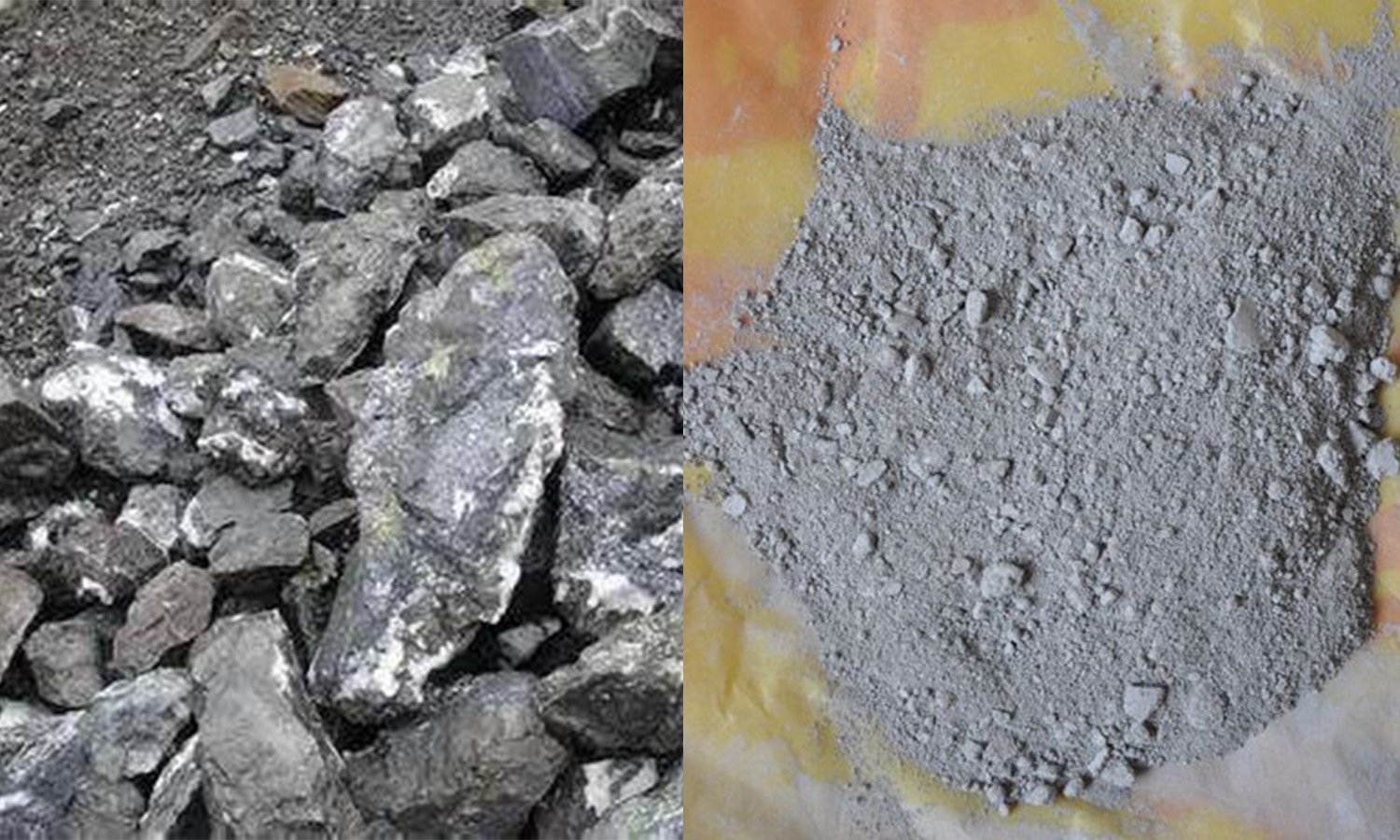
Modern industry is built upon the processing and utilization of natural mineral resources. The vast majority of ores extracted from the earth's crust cannot be used directly in industrial production—they are either too low in grade, too coarse in particle size, or have valuable minerals tightly intergrown with gangue. To transform these "rough raw materials" into "refined industrial feed," a critical step must be taken: grinding.
The purpose of grinding is to further reduce the particle size of crushed ore, achieving full liberation of valuable minerals from gangue, thereby creating the necessary conditions for subsequent beneficiation processes (magnetic separation, flotation, gravity concentration, etc.). If grinding is insufficient—if valuable minerals and gangue remain intergrown—the subsequent separation stages cannot proceed effectively. This is precisely why the ball mill occupies a "connecting" position in the entire beneficiation production line—upstream connected to crushing and screening, downstream connected to separation operations—truly the "throat" of the entire process.
The reduction ratio of a ball mill typically reaches 200 to 300, far higher than any crushing equipment, capable of reducing materials from millimeter scale to micron scale. In some non-ferrous metal ores, the valuable mineral particles are extremely fine; achieving the required product fineness for beneficiation depends entirely on the ball mill. It can be said that without the efficient grinding of a ball mill, there can be no efficient beneficiation, and certainly no high-grade concentrate products. The ball mill has been in existence for over a century and remains the irreplaceable core equipment in mineral processing plants.
II. Application Value of Ball Mills in Key Industries
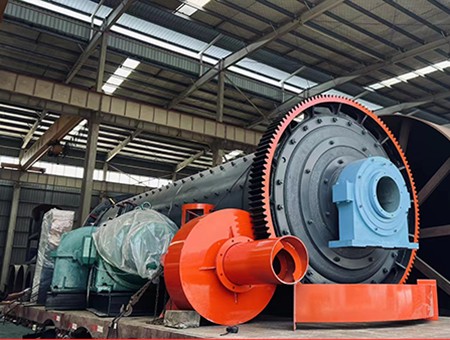
The ball mill is known as a "universal grinding equipment" because its applications cover virtually all industrial fields that require crushing solid materials into fine powders. Here are the most representative industries:
Mining (Ferrous and Non-Ferrous Mineral Processing)
This is the most core application area for ball mills. The beneficiation of iron, copper, gold, silver, lead, zinc, tungsten, molybdenum, manganese, and other metallic minerals, as well as non-metallic minerals such as quartz and fluorite, all depend on the grinding operations of ball mills. In iron ore beneficiation, the ball mill grinds the crushed ore to -200 mesh 60%-70%, liberating magnetite from gangue for subsequent magnetic separation; in copper ore beneficiation, the grinding fineness may even need to reach -200 mesh 85% or higher to meet the stringent particle size requirements of flotation processes.
Building Materials Industry
Cement production, gypsum processing, ceramic raw material preparation, and glass raw material grinding all rely on ball mills to grind lump materials to the fineness required by the process. Whether it's raw meal grinding or finished cement grinding, the ball mill is the core equipment.
Metallurgical and Chemical Industries
Ball mills are used for the preparation of metallurgical auxiliaries (such as aluminum ash and slag grinding), as well as fine grinding and mixing of chemical raw materials (such as titanium dioxide, calcium carbonate, graphite, pigments, etc.). The production of refractories, fertilizers, phosphate fertilizers, and other products also depends on ball mills.
Emerging Fields
With technological advancement, the applications of ball mills continue to expand. Ultra-fine grinding in fields such as magnetic materials, rare earths, electronic materials, battery materials, coatings, and inks increasingly employs ball mills as core processing equipment.
III. Complete Working Process of a Ball Mill Production Line
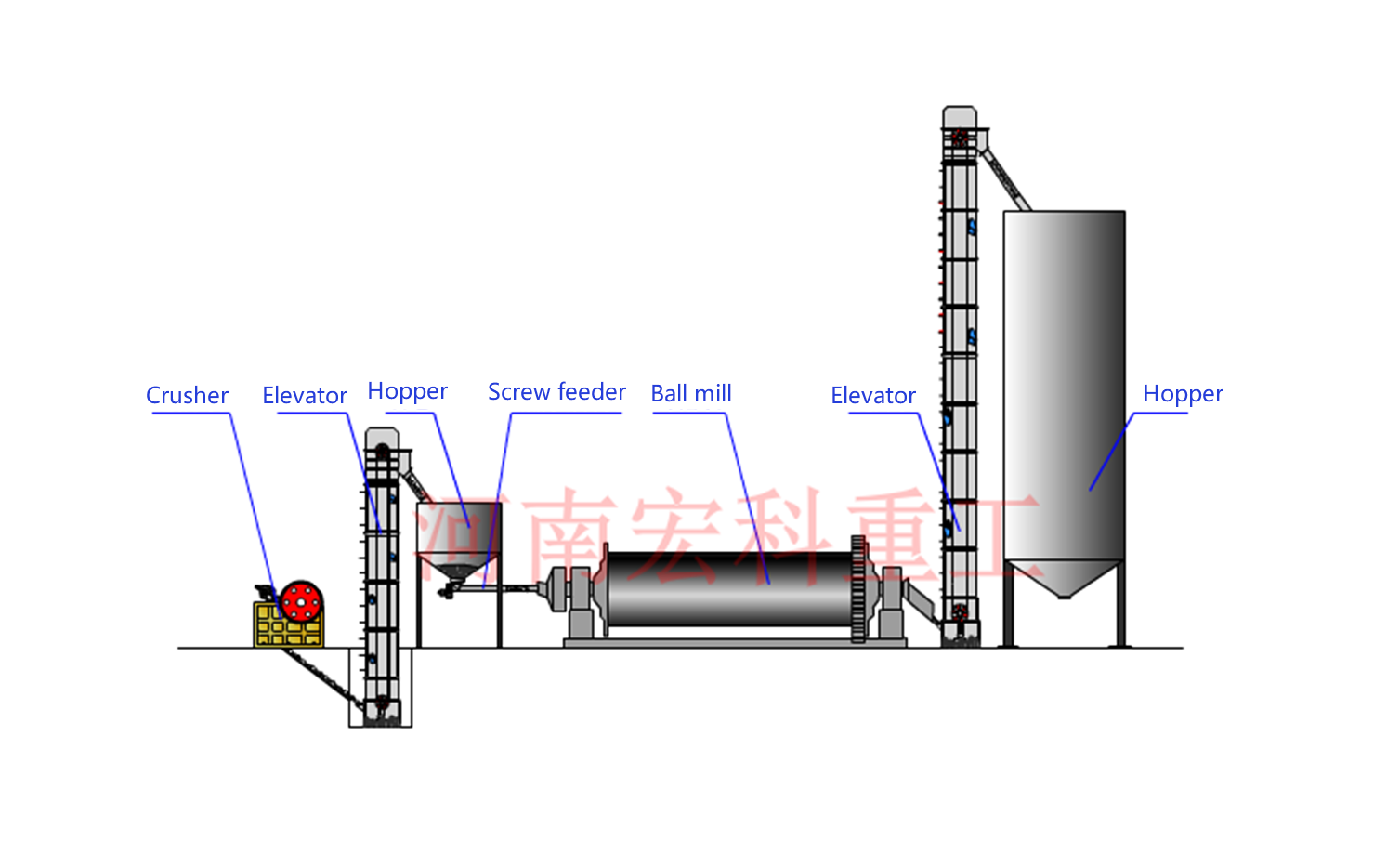
A complete ball mill grinding production line typically consists of the following stages:
Step 1: Raw Material Preparation & Feeding
The crushed and screened material (generally requiring feed size ≤20-25mm) is evenly fed into the mill shell through the feeding device via the feed hollow shaft spiral. The stability of feeding directly affects the grinding performance—excessive fluctuations in feed rate cause unstable material filling rates inside the shell, which in turn affects grinding efficiency and product fineness.
Step 2: Coarse Grinding – Impact Crushing in the First Compartment
The material enters the first compartment of the mill, which is equipped with step liners or wave liners and a certain specification of steel balls. As the shell rotates, the steel balls are carried to a certain height by centrifugal and frictional forces, then fall due to gravity, delivering powerful impact crushing to the material. The primary task of this stage is to quickly break down coarse particles.
Step 3: Fine Grinding – Attrition in the Second Compartment
After coarse grinding in the first compartment, the material passes through the single-layer diaphragm plate into the second compartment, which is lined with smooth liners and contains smaller steel balls. In this stage, the balls primarily cascade to grind the material, further reducing it to the target fineness.
Step 4: Discharge & Classification
The powdered material that has reached the required fineness is discharged through the discharge grate plate. In actual production, the mill discharge typically enters classification equipment (such as spiral classifiers or hydrocyclones), which separates qualified fines from unqualified coarse particles—coarse particles are returned to the mill for regrinding (closed-circuit grinding), while qualified fines proceed to the next beneficiation stage.
Step 5: Subsequent Beneficiation Operations
The ultimate purpose of grinding is to serve beneficiation. The fully liberated slurry from the ball mill enters magnetic separation, flotation, gravity concentration, or other beneficiation processes according to the ore characteristics, ultimately producing concentrate and tailings.
IV. Core Advantages of Hongke Heavy Industry Ball Mills
Henan Hongke Heavy Industry Machinery Equipment Co., Ltd. has been deeply engaged in the mining equipment field for many years, accumulating extensive experience in the R&D, design, and manufacturing of ball mills. The product range covers the full series from Φ900×1800 to Ф5500×8500, with processing capacities from 0.65 to 615 t/h and ball charges from 1.5 to 338 tons. The core advantages of our products are:
1. Full Series Coverage, Meeting Diverse Capacity Needs
The ball mill product range covers the full series from Φ900×1800 to Ф5500×8500, from small mills with capacities under 1 ton per hour to large mills exceeding 600 tons per hour, capable of meeting various needs from small-scale concentrators to large-scale industrial production lines.
2. Reliable Structure, Smooth Operation
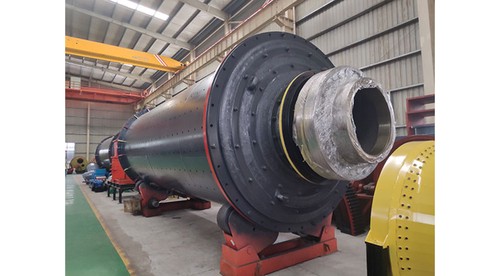
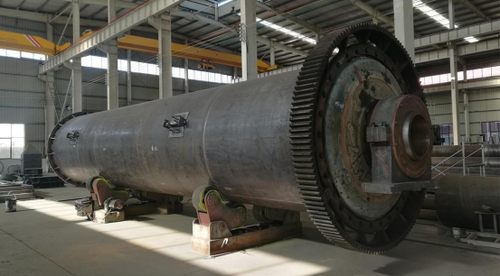
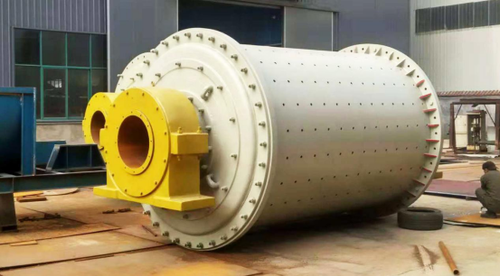
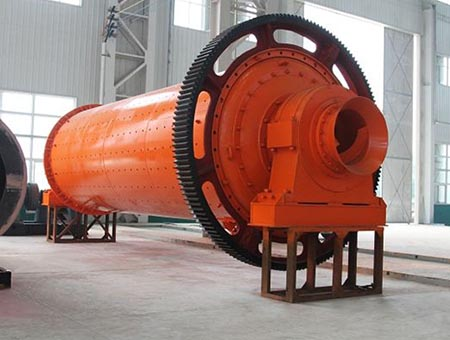
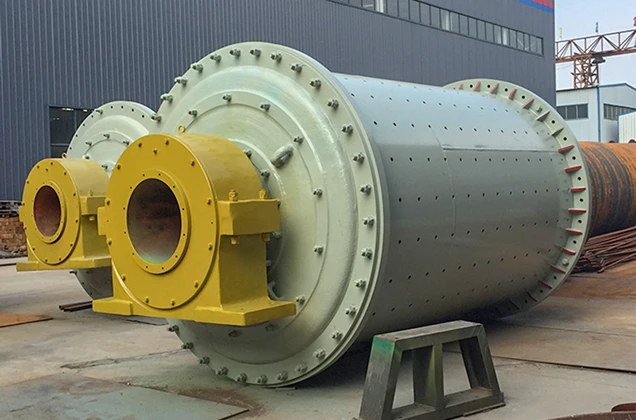
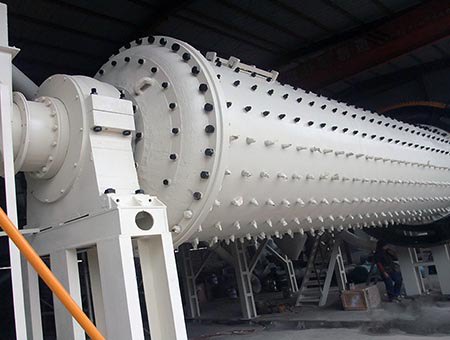
The ball mill consists of the feeding section, discharge section, rotating section, and transmission section (reducer, pinion gear, motor, electric control). The hollow shaft is made of cast steel with replaceable liners; the large girth gear is cast and gear-hobbed; the shell is lined with high-manganese steel plates offering excellent wear resistance. The machine operates smoothly and reliably.
3. Strong Material Adaptability
Whether processing metallic minerals such as iron ore, hematite, or limonite, or non-metallic minerals such as gypsum, quartz, or ceramic raw materials, the ball mill achieves efficient grinding. It can operate continuously for 24 hours without issues.
4. Easy Adjustment of Product Fineness
The optimized design facilitates convenient feeding and discharging, allowing flexible adjustment of grinding fineness according to different beneficiation process requirements. Whether it's -200 mesh 60%-70% for magnetic separation or finer grinds for flotation, the required fineness can be achieved by adjusting grinding media ratios and grinding concentration parameters.
5. Energy-Efficient, Low Operating Costs
The rotating section is gearless, utilizing central drive to reduce equipment costs and maintenance rates. The equipment operates smoothly with good sealing, low pollution, and low noise. It overcomes the disadvantages of traditional ball mills—bulky, heavy, high energy consumption, low output, and high noise.
6. Comprehensive One-Stop Service System
Hongke Heavy Industry provides full-chain services from project design, process flow design, and equipment selection, to equipment manufacturing, installation, commissioning, and operator training. The company has an experienced installation and commissioning team ensuring smooth project startup.
V. Domestic and International Project Cases
Hongke Heavy Industry's ball mill equipment has been widely applied in numerous projects both domestically and internationally:
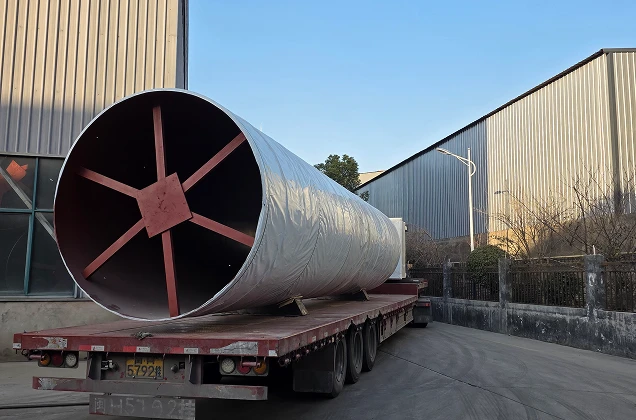
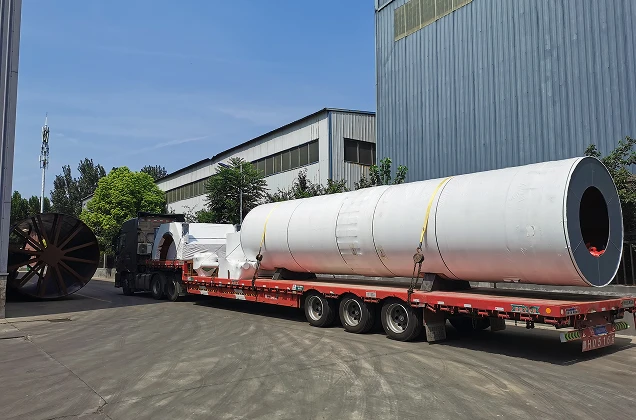
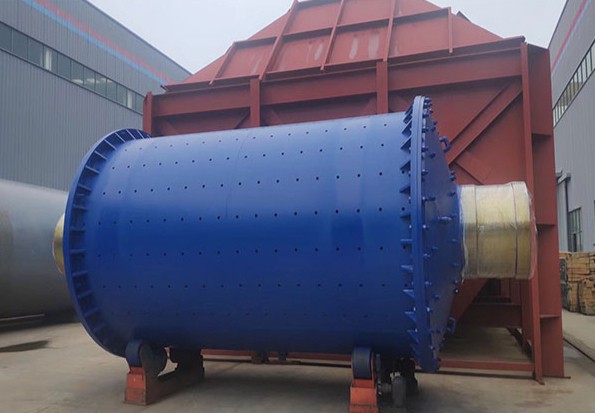
Case 1: 2.7×4.5m Air-Swept Mill Exported to Algeria
The 2.7×4.5m air-swept mill designed and manufactured by Hongke Heavy Industry for an Algerian customer was successfully shipped. This project demonstrates the company's comprehensive capabilities in product design, manufacturing, and international logistics, representing a milestone in the export of Hongke Heavy Industry's ball mill equipment to overseas markets.
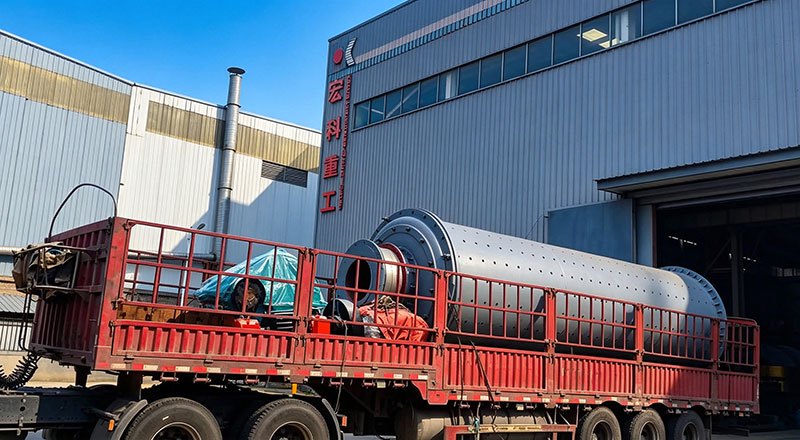
Case 2: Inner Mongolia Φ2.2×7m Steel Slag Ball Mill (20 t/h)
Steel slag is characterized by high hardness and strong abrasiveness, causing significant consumption of mill liners and grinding media. The Φ2.2×7m steel slag ball mill provided by Hongke Heavy Industry for an Inner Mongolian customer has been in stable operation, achieving a capacity of 20 tons per hour and fully demonstrating the equipment's reliability in processing challenging materials.
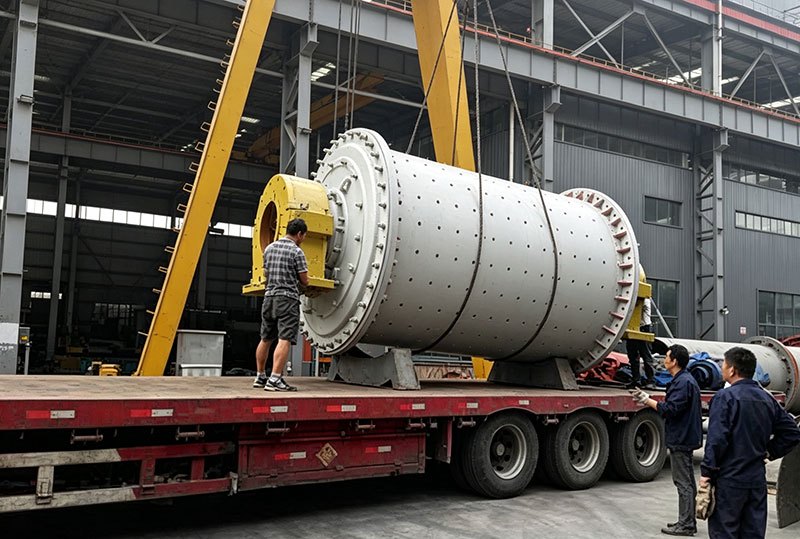
Case 3: Hunan Φ1.5×4.5m Ball Mill Shipment
The Φ1.5×4.5m ball mill supplied by Hongke Heavy Industry for a Hunan customer was successfully shipped. This equipment is suitable for small to medium-scale grinding operations, reflecting Hongke Heavy Industry's product coverage capability in the small and medium-sized ball mill segment.
Case 4: Ball Mill Shipped by Vessel to Sichuan
Hongke Heavy Industry's ball mill equipment was shipped by vessel to Sichuan, demonstrating the company's organizational capabilities in large equipment logistics and project delivery.
VI. Frequently Asked Questions
Q1: What output can a ball mill achieve? How do I match it with my capacity needs?
The output of a ball mill mainly depends on the shell specifications (diameter and length), and is also affected by material characteristics, feed size, product fineness requirements, and other factors. Hongke Heavy Industry's ball mills cover the full series from Φ900×1800 to Ф5500×8500, with capacities from 0.65 to 615 t/h.
Model | Speed (r/min) | Ball Charge (t) | Feed Size (mm) | Product Size (mm) | Capacity (t/h) | Motor Power (kW) |
|---|---|---|---|---|---|---|
Ф900×1800 | 36-38 | 1.5 | ≤20 | 0.075-0.89 | 0.65-2 | 18.5 |
Ф900×3000 | 36 | 2.7 | ≤20 | 0.075-0.89 | 1.1-3.5 | 22 |
Ф1200×2400 | 36 | 3 | ≤25 | 0.075-0.4 | 1.5-4.8 | 30 |
Ф1200×3000 | 36 | 3.5 | ≤25 | 0.074-0.4 | 1.6-5 | 37 |
Ф1200×4500 | 32.4 | 5 | ≤25 | 0.074-0.4 | 1.6-5.8 | 55 |
Ф1500×3000 | 29.7 | 7.5 | ≤25 | 0.074-0.4 | 2-5 | 75 |
Ф1500×4500 | 27 | 11 | ≤25 | 0.074-0.4 | 3-6 | 110 |
Ф1500×5700 | 28 | 12 | ≤25 | 0.074-0.4 | 3.5-6 | 130 |
Ф1800×3000 | 25.4 | 11 | ≤25 | 0.074-0.4 | 4-10 | 130 |
Ф1830×4500 | 25.4 | 15 | ≤25 | 0.074-0.4 | 4.5-12 | 155 |
Ф1830×6400 | 24.1 | 21 | ≤25 | 0.074-0.4 | 6.5-15 | 210 |
Ф1830×7000 | 24.1 | 23 | ≤25 | 0.074-0.4 | 7.5-17 | 245 |
Ф2100×3000 | 23.7 | 15 | ≤25 | 0.074-0.4 | 6.5-36 | 155 |
Ф2100×4500 | 23.7 | 24 | ≤25 | 0.074-0.4 | 8-43 | 245 |
Ф2100×7000 | 23.7 | 26 | ≤25 | 0.074-0.4 | 8-48 | 280 |
Ф2200×4500 | 21.5 | 35 | ≤25 | 0.074-0.4 | 9-45 | 280 |
Ф2200×6500 | 21.7 | 35 | ≤25 | 0.074-0.4 | 14-26 | 280 |
Ф2200×7000 | 21.7 | 35 | ≤25 | 0.074-0.4 | 15-28 | 380 |
Ф2200×7500 | 21.7 | 35 | ≤25 | 0.074-0.4 | 15-30 | 380 |
Ф2400×3000 | 21 | 23 | ≤25 | 0.074-0.4 | 7-50 | 245 |
Ф2400×4500 | 21 | 30 | ≤25 | 0.074-0.4 | 8.5-60 | 320 |
Ф2700×4000 | 20.7 | 40 | ≤25 | 0.074-0.4 | 12-80 | 380 |
Ф2700×4500 | 20.7 | 48 | ≤25 | 0.074-0.4 | 12-90 | 480 |
Ф3200×4500 | 18 | 65 | ≤25 | 0.074-0.4 | Depends on process | 800 |
Ф3600×4500 | 17 | 90 | ≤25 | 0.074-0.4 | Depends on process | 850 |
Ф3600×6000 | 17 | 110 | ≤25 | 0.074-0.4 | Depends on process | 1250 |
Ф3600×8500 | 18 | 131 | ≤25 | 0.074-0.4 | 45.8-256 | 1800 |
Ф4000×5000 | 16.9 | 121 | ≤25 | 0.074-0.4 | 45-208 | 1500 |
Ф4000×6000 | 16.9 | 146 | ≤25 | 0.074-0.4 | 65-248 | 1600 |
Ф4000×6700 | 16.9 | 149 | ≤25 | 0.074-0.4 | 45-252 | 1800 |
Ф4500×6400 | 15.6 | 172 | ≤25 | 0.074-0.4 | 54-306 | 2000 |
Ф5030×6400 | 14.4 | 216 | ≤25 | 0.074-0.4 | 68-386 | 2500 |
Ф5030×8300 | 14.4 | 226 | ≤25 | 0.074-0.4 | 88-500 | 3300 |
Ф5500×8500 | 13.8 | 338 | ≤25 | 0.074-0.4 | 108-615 | 4500 |
Data source: Hongke Heavy Industry official product documentation
When selecting, it is recommended to choose a size that matches your current confirmed needs while reserving reasonable upgrade space for future expansion, avoiding the investment waste and increased unit energy consumption caused by "a big horse pulling a small cart."
Q2: What is the energy consumption level of a ball mill?
The energy consumption of a ball mill mainly depends on the shell structure, grinding media ratio, liner type, and whether energy-saving design is adopted. Hongke Heavy Industry's ball mills use a central drive design, reducing transmission losses and equipment maintenance rates. Specific energy consumption values must be calculated based on material characteristics, feed size, and product fineness requirements. It is recommended to ask the manufacturer for energy consumption estimates based on your material samples during the selection process.
Q3: What is the service life of the equipment?
The design life of the shell is generally 15-20 years. The service life of wear parts such as liners and grinding media varies depending on operating conditions—consumption is faster when processing highly abrasive materials (such as steel slag) and slower when processing soft materials. Factors such as shell material, manufacturing quality, installation precision, material abrasiveness, and maintenance all affect the actual service life. When requesting quotations, focus on confirming the main structural design, list of wear parts, and maintenance cycles.
Q4: What are the most common mistakes when purchasing a ball mill?
Based on industry experience, the most common mistakes include:
Mistake 1: Focusing only on price while ignoring total cost of ownership. Many procurement staff overemphasize initial investment while ignoring life-cycle costs. A cheap, low-quality mill may cost you several times more in energy and maintenance over its lifetime.
Mistake 2: Blindly pursuing larger specifications. Oversizing equipment can lead to low capacity utilization, reduced operating efficiency, and increased unit energy consumption.
Mistake 3: Believing sales promises without putting them in writing. All key performance indicators and after-sales commitments must be clearly specified in the contract with data and terms.
Mistake 4: Purchasing only the ball mill while neglecting upstream and downstream equipment. Insufficient capacity in feeding, classification, or conveying systems will limit the overall production line output.
Q5: How can I judge the quality of a ball mill?
Quality can be assessed from several aspects: first, shell welding quality—whether automatic welding is used with NDT inspection; second, gear machining precision—whether the large girth gear is cast and gear-hobbed; third, liner material—whether high-manganese steel plates and other wear-resistant materials are used; fourth, operational stability—whether the equipment runs smoothly and noise levels are within reasonable limits. The most direct approach is to arrange a factory site visit.
VII. What Information Should You Prepare Before Requesting a Quotation?
To help the manufacturer provide a more accurate solution and quotation, it is recommended to prepare the following information in advance:
Category | Specific Content |
|---|---|
Material Characteristics | Material type, hardness, moisture content, feed size, abrasiveness |
Capacity Requirements | Target capacity (t/h), planned operating hours |
Product Fineness | Required product particle size (e.g., -200 mesh percentage) |
Process Conditions | Wet or dry grinding, open or closed circuit |
Site Conditions | Project site dimensions or layout plan |
Auxiliary Equipment Needs | Whether classifier, feeder, conveying system, etc. are required |
Service Requirements | Whether installation guidance and commissioning are needed |
Contact Us
No matter which stage your project is at—whether you are just beginning to evaluate options or have already determined your capacity needs and are ready to purchase—we welcome your enquiry.
The right way to contact a manufacturer: Tell us your material type, target capacity, product fineness requirements, and process conditions—our engineers will provide targeted equipment solutions based on your actual needs.