

When planning a new ceramsite rotary kiln production line, most buyers first ask "How much does a ceramsite rotary kiln cost?" or "What is the daily capacity in cubic meters?" However, in actual projects, the factors that determine whether the production line can operate stably over the long term and produce qualified ceramsite products are not just the kiln price alone. They also include the type and physicochemical properties of the raw material, pelletizing process, calcination regime, fuel conditions, and whether upstream and downstream equipment are properly matched.
Different ceramsite raw materials—clay, shale, fly ash, sludge, and various tailings—require different processing approaches. Similarly, calcination for producing building ceramsite, water treatment filter media, or horticultural ceramsite each demands different temperature profiles, residence times, and cooling conditions.
Therefore, the selection of a ceramsite rotary kiln cannot be based solely on planned capacity to determine shell dimensions. Rather, several questions should be answered first:
Is the raw material a natural mineral (clay/shale) or an industrial solid waste (fly ash/sludge/tailings)? What are the plasticity index, loss on ignition, and expansion performance of the material?
Is the target product building lightweight aggregate, water treatment filter media, or horticultural/gardening ceramsite? What are the requirements for bulk density, cylinder compressive strength, and water absorption?
What production scale is required? 3 cubic meters per hour or 18 cubic meters per hour?
What are the fuel conditions? Is solid fuel (coal), liquid fuel, or gaseous fuel available?
Does the raw material require pretreatment (grinding, pelletizing)? How should auxiliary equipment such as disc pelletizers and granulators be configured?
This article focuses on ceramsite rotary kilns and complete calcination production lines, covering the basic principles of ceramsite expansion, applicable raw materials, typical process flow, equipment configuration, selection factors, and the information needed before requesting a quotation.
I. What Is a Ceramsite Rotary Kiln
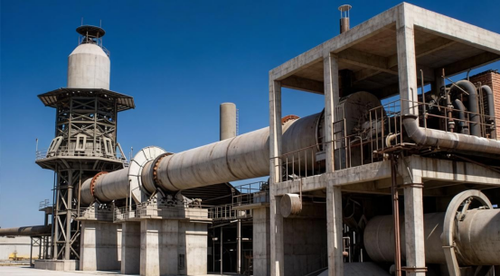
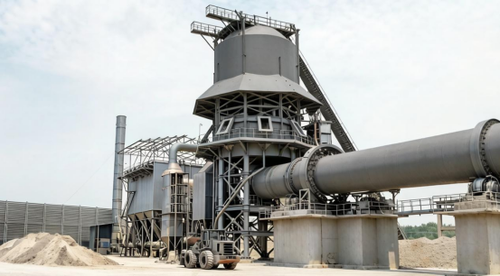
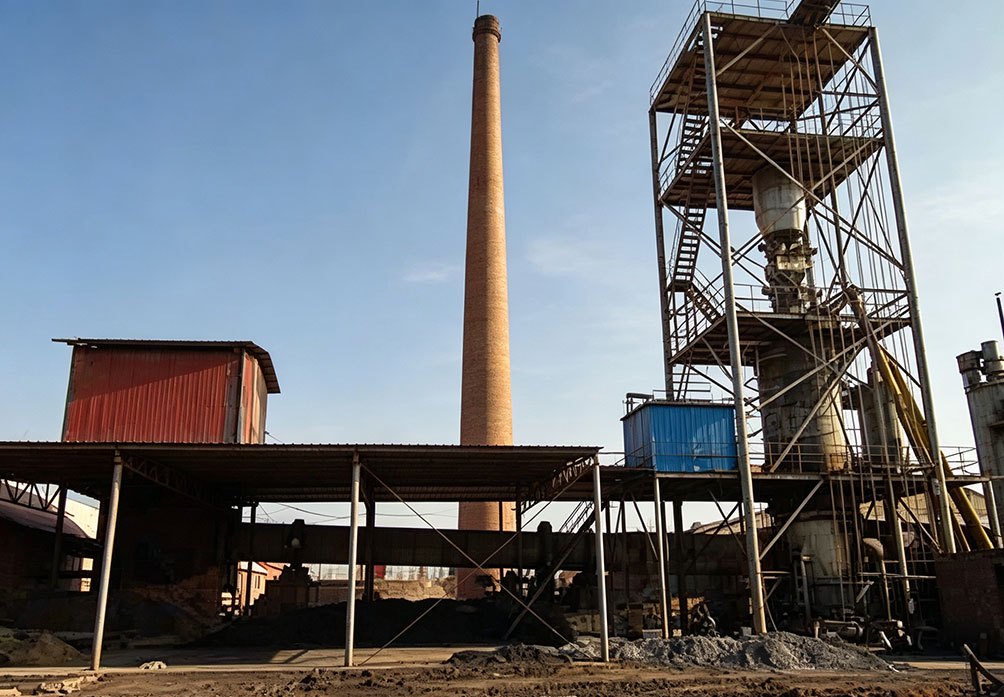
A ceramsite rotary kiln is a rotating cylindrical device used for the continuous high-temperature expansion and calcination of ceramsite green pellets. The formed pellets enter from the higher end of the kiln shell (the kiln tail), and as the inclined shell rotates, the material continuously tumbles and moves toward the discharge end (the kiln head), while exchanging heat in counter-current flow with the high-temperature flue gas. Under high-temperature conditions (850-1200°C), the expansive components (iron, carbon, etc.) within the green pellets undergo oxidation-reduction reactions, generating gases that cause the pellets to expand in volume, ultimately forming ceramsite products with a porous interior and a vitrified surface.
Unlike ordinary calcination equipment, the core task of a ceramsite rotary kiln is achieving rapid temperature rise and expansion of the pellets. According to the ceramsite expansion mechanism, clayey materials with good expansion performance hardly expand when slowly heated to the expansion temperature, but achieve good expansion when rapidly heated[citation:equipment information page]. Therefore, the basic principle of ceramsite calcination is: the pellets should be moderately and slowly heated in the drying and preheating section to prevent cracking, and rapidly heated in the high-temperature section of the kiln to achieve the ideal expansion effect.
It should be noted that this article focuses on integrated or split-type drying/preheating + calcination ceramsite rotary kiln systems—currently the most widely used continuous calcination process route in the ceramsite production field. Ceramsite rotary kiln calcination temperatures are generally 850-1200°C, which is close to limestone calcination (900-1200°C), but differs from cement clinker calcination (above 1450°C). The equipment structure must be specifically designed for the particular requirements of ceramsite expansion and cannot be directly adapted from other applications.
II. What Happens During Ceramsite Calcination
1. Chemical Principles of Ceramsite Expansion
The basic principle of ceramsite production is based on the high-temperature expansion mechanism: at high temperatures, gases are generated inside the green pellets while a molten glassy shell forms on the surface. The gases are trapped inside, forming a porous structure and achieving lightweight properties.
Expansion conditions:
Raw material composition requirements: Ceramsite raw materials need to contain appropriate amounts of expansive components—gas-generating substances (Fe₂O₃, carbon, etc.) and fluxing substances (SiO₂, Al₂O₃, etc.). At high temperatures, Fe₂O₃ is reduced by carbon to FeO, releasing CO₂, CO, and other gases simultaneously; the fluxing substances form a liquid phase at high temperatures that encapsulates the gases.
Heating rate control: Rapid heating is key—the pellets should pass through the expansion temperature range quickly in the high-temperature section, so that gas generation and liquid phase formation occur simultaneously, and the gases are sealed inside the pellets.
Temperature range: The expansion temperature is generally 950-1150°C, with the optimal expansion temperature varying depending on the raw material.
Physicochemical changes during calcination:
Temperature Stage | Main Changes | Effect on Product |
|---|---|---|
Preheating/drying section (room temperature-400°C) | Free water evaporation, organic matter decomposition | Pellet strength changes; slow heating required to prevent cracking |
Heating section (400-900°C) | Carbonate decomposition, iron oxide reduction | Gas generation begins; liquid phase starts to form |
Expansion section (900-1150°C) | Massive gas release, extensive liquid phase formation | Pellet volume expands; porous structure forms |
Sintering section (1150-1200°C) | Surface vitrification, internal structure solidification | High-strength, low-water-absorption ceramsite product formed |
2. Key Factors Affecting Ceramsite Quality
Factor | Effect | Control Points |
|---|---|---|
Raw material chemical composition | Contents of SiO₂, Al₂O₃, Fe₂O₃, and C determine expansion performance | Chemical analysis and expansion performance testing required |
Green pellet size | Size uniformity affects expansion consistency | Pellet size controlled at 5-25mm |
Calcination temperature | Insufficient temperature leads to incomplete expansion; excessive temperature causes pellet deformation and sticking | Controlled within 850-1200°C range |
Heating rate | Too fast causes pellet cracking; too slow results in insufficient expansion | Slow heating in preheating section; rapid heating in high-temperature section |
Kiln atmosphere | Reducing atmosphere favors expansion gas generation | Control air-to-fuel ratio |
Residence time | Insufficient time leads to incomplete expansion; excessive time increases energy consumption | Adjusted by kiln speed |
III. Typical Process Flow of a Ceramsite Rotary Kiln
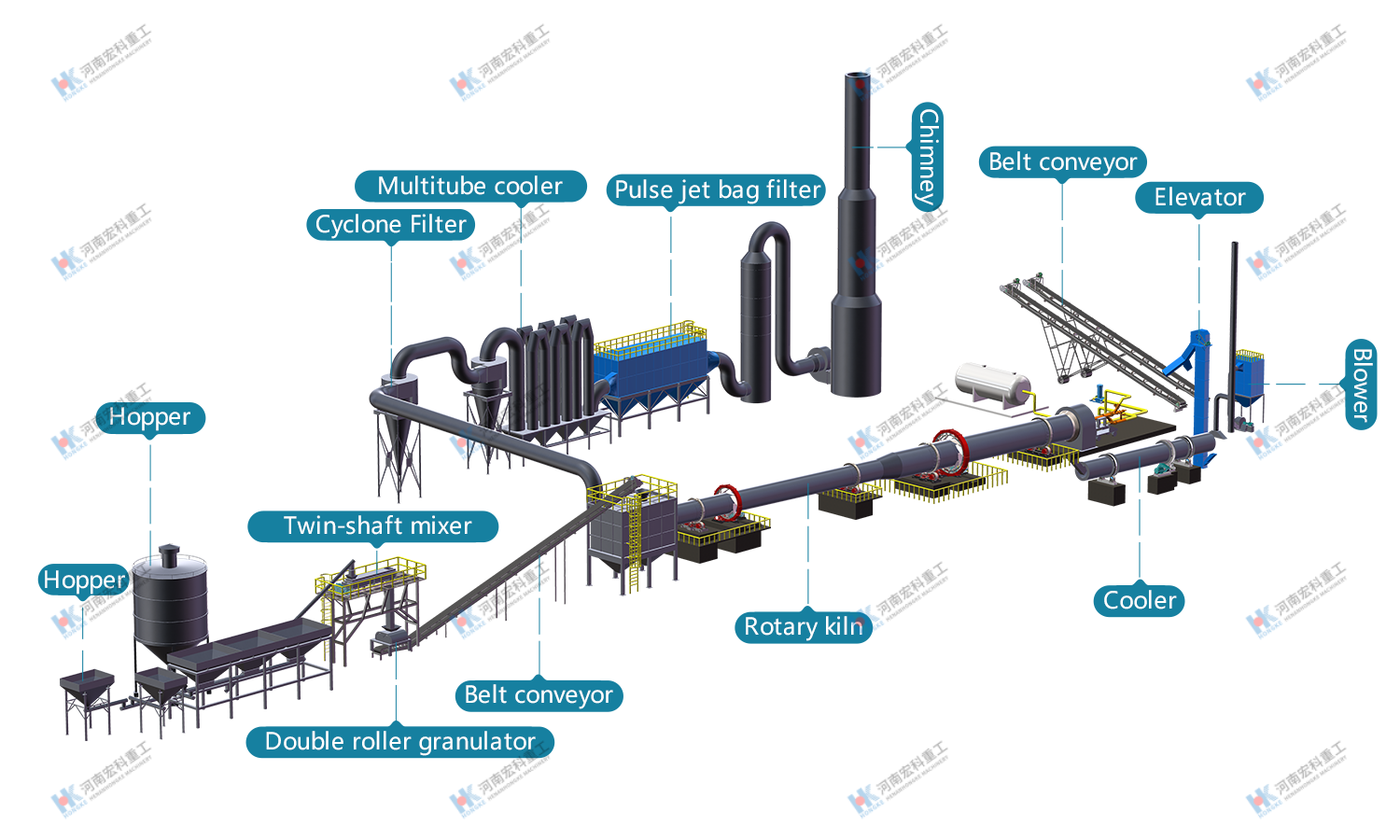
A complete ceramsite rotary kiln production line typically consists of the following core sections:
Stage 1: Raw Material Preparation & Batching
Raw materials are batched according to their characteristics—natural materials such as clay and shale require crushing and grinding; industrial solid wastes such as fly ash and sludge require drying and decontamination. During batching, the chemical composition of the raw materials should be adjusted to ensure appropriate proportions of SiO₂, Al₂O₃, Fe₂O₃, C, and other components for optimal expansion.
Stage 2: Grinding & Homogenization
The batched raw materials enter the grinding system for fine grinding to thoroughly mix and homogenize all components. The grinding fineness is generally required to have 200-mesh sieve residue <10% to ensure pelletizing quality and expansion effect.
Stage 3: Pelletizing
The ground powder material enters a disc pelletizer (or granulator) and is rolled into pellets with the addition of water. The pellet size is generally controlled at 5-25mm, with uniform size distribution. The green pellets must have sufficient strength to meet the kiln feed requirements and avoid breakage inside the kiln.
Stage 4: Rotary Kiln Calcination
The formed green pellets enter the ceramsite rotary kiln from the kiln tail, sequentially passing through four stages: preheating/drying, heating, expansion, and sintering. At high temperatures of 850-1200°C, the pellets expand into internally porous ceramsite products.
The rotary kiln shell is the core of the calcination equipment, and its specifications directly determine the production line capacity[citation:equipment information page]:
Specification (m) | Hourly Capacity (m³/h) | Annual Capacity (10,000 m³) | Slope (%) | Shell Speed (r/min) | Motor Power (kW) |
|---|---|---|---|---|---|
Φ1.5×26 | 3.21-3.85 | 1.96-2.35 | 4 | 1.2-3.6 | 22 |
Φ1.8×28 | 4.56-5.46 | 2.78-3.34 | 4 | 1.2-3.6 | 30 |
Φ2.2×30 | 6.34-7.60 | 3.88-4.65 | 4 | 1.0-3.0 | 45 |
Φ2.4×33 | 8.32-9.99 | 5.09-6.11 | 4 | 1.0-3.0 | 75 |
Φ2.6×28-Φ3.0×20 | 14.68-17.62 | 8.98-10.78 | 4 | 1.2-3.6 | 90 |
Note: Specific selection must be determined based on raw material characteristics, fuel conditions, site conditions, etc.
Stage 5: Cooling
The high-temperature ceramsite (approx. 800-1000°C) after sintering is discharged from the kiln head and enters the cooler (or cooling drum). During cooling, the internal structure of the ceramsite further solidifies and the surface vitrified layer forms, improving product strength.
Stage 6: Screening & Classification
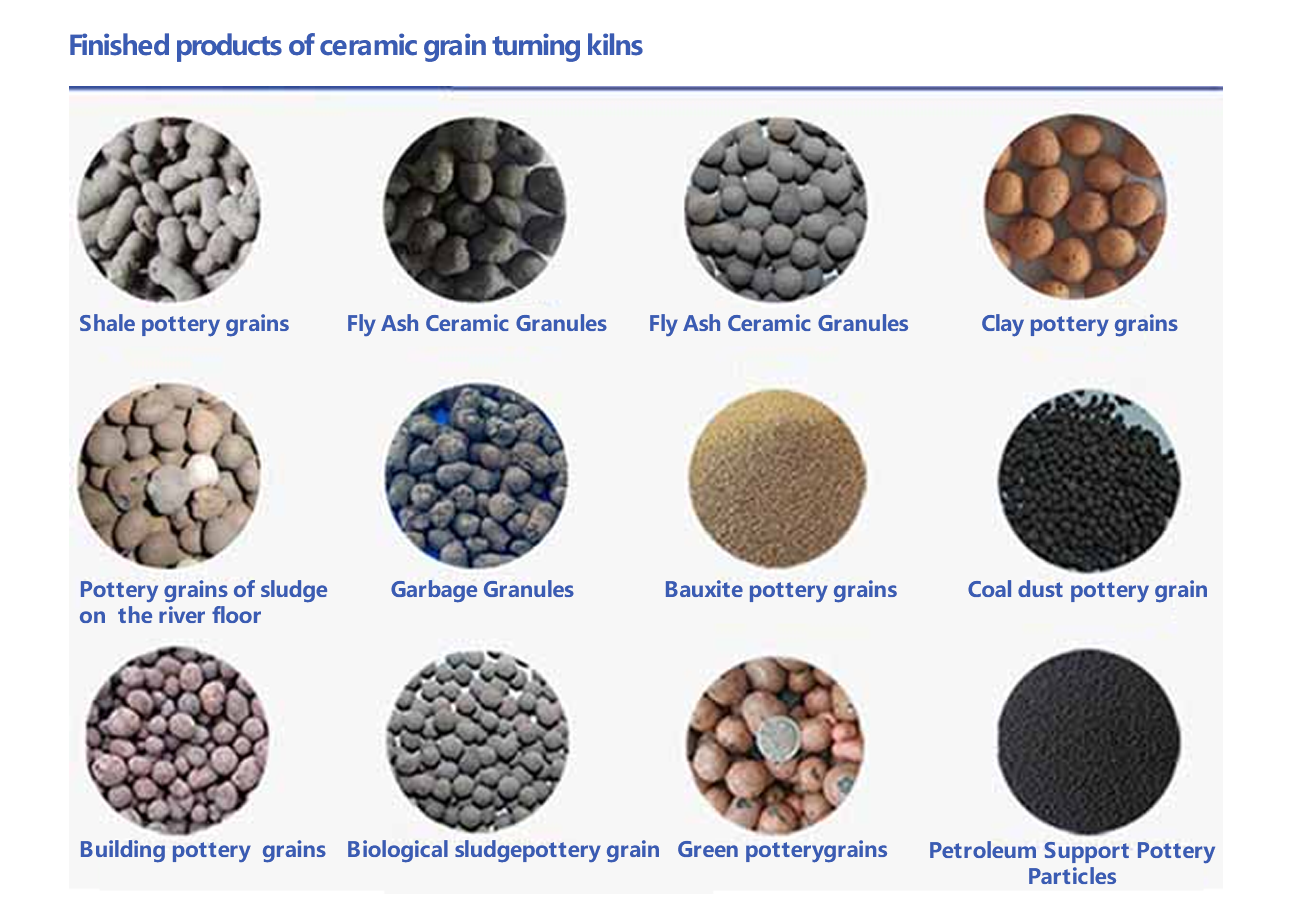
The cooled ceramsite enters a vibrating screen for screening and classification, being divided into products of different particle sizes (e.g., 5-10mm, 10-20mm, etc.). Unqualified oversize material can be returned to the crushing system for reuse.
IV. Core Equipment Configuration of a Ceramsite Rotary Kiln
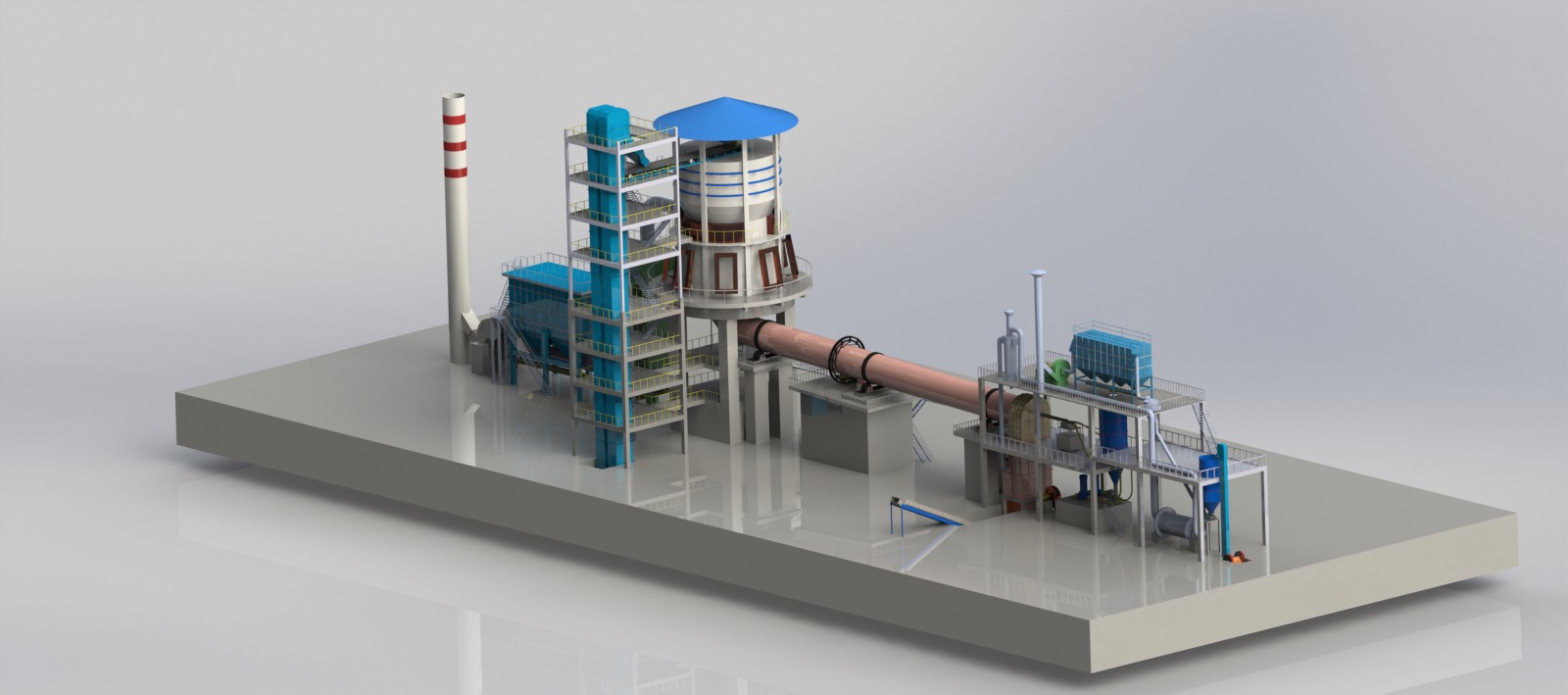
1. Rotary Kiln Shell
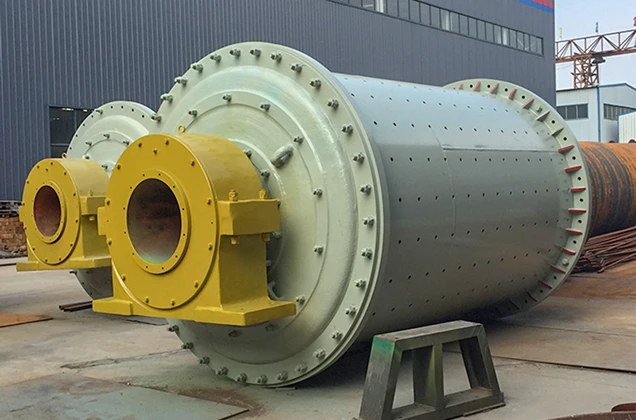
The ceramsite rotary kiln shell is the core calcination equipment, consisting of a rotating inclined cylindrical structure. Its main features include[citation:equipment information page]:
Simple structure: High output per unit volume, long kiln life, high operating rate, and stable operation
High heat transfer efficiency: Low heat consumption and high energy utilization
Long kiln lining life: With advanced kiln head and tail sealing technology, ensuring stable operation
Automatic temperature control: Over-temperature alarm, secondary air waste heat utilization
2. Pelletizing System
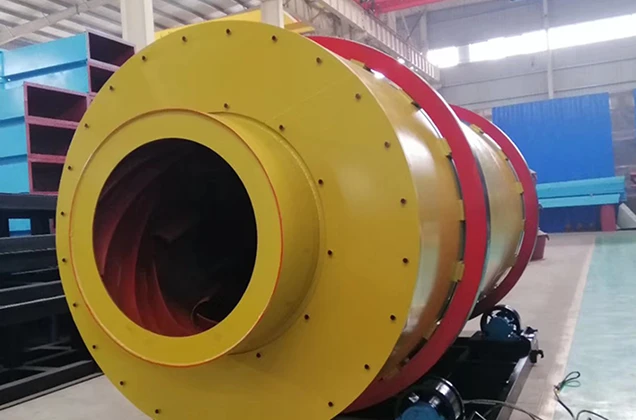
The pelletizing system includes disc pelletizers (or granulators) for producing uniformly sized green pellets from powdered raw materials. Pelletizing quality directly affects the calcination effect in the kiln.
3. Heat Source System
Fuel types available for ceramsite rotary kilns:
Solid fuels: Pulverized coal, coke, etc.
Gaseous fuels: Natural gas, producer gas, etc.
Fuel selection should comprehensively consider local resource availability, calorific value requirements, and operating costs. Pulverized coal combustion systems are typically supported by hot blast stoves or burners.
4. Sealing System
The rotary kiln ends are sealed with advanced kiln head and tail sealing technology, effectively reducing cold air infiltration and dust-laden flue gas leakage, ensuring stable thermal conditions inside the kiln[citation:equipment information page].
5. Cooling System
The cooler (or cooling drum) is used to rapidly cool the high-temperature ceramsite, preventing cracks or structural changes caused by slow cooling. Meanwhile, the hot air generated during cooling can be recovered and used as combustion air, improving thermal efficiency.
6. Dust Collection System
Kiln tail exhaust gas is treated by the dust collection system (baghouse dust collector or cyclone dust collector) to meet emission standards. For fine powdered materials such as fly ash and sludge, the dust collection system is particularly important.
V. Applicable Raw Materials and Application Fields for Ceramsite Rotary Kilns
1. Applicable Raw Materials
Ceramsite rotary kilns can process a wide range of raw materials[citation:equipment information page]:
Raw Material Category | Specific Types | Characteristics |
|---|---|---|
Natural mineral raw materials | Clay, shale, kaolin | Relatively stable composition, good expansion performance |
Industrial solid wastes | Fly ash, coal gangue, slag | Abundant resources, low cost, turning waste into treasure |
Environmental sector wastes | Sludge (municipal sludge, industrial sludge) | Requires attention to heavy metal solidification; high-temperature calcination can sterilize |
Tailings | Various metallic/non-metallic tailings | Complex composition; requires formula adjustment |
2. Main Application Fields
Application Field | Specific Uses | Ceramsite Performance Requirements |
|---|---|---|
Building/construction | Lightweight aggregate concrete, wall panels, bricks, floor slabs, thermal insulation materials | Low bulk density, high cylinder compressive strength |
Water treatment | Water treatment filter media, biological filter bed packing | High porosity, high specific surface area |
Horticulture/landscaping | Soilless cultivation substrates, horticultural ceramsite, green roofs | Good water retention, good aeration |
Chemical industry | Catalyst carriers, packing | Good chemical stability, acid and alkali resistance |
VI. How to Select a Ceramsite Rotary Kiln – Selection Decision Guide
Rational selection of a ceramsite rotary kiln is the key to saving investment, reducing operating costs, ensuring product quality, and maximizing economic returns. The following is a systematic guide for selection decisions.
1. Preparation Before Selection
Define Raw Material Characteristics
Raw material characteristics are the primary consideration when selecting calcination equipment. The following key parameters should be determined:
Raw material type (clay, shale, fly ash, sludge, tailings, etc.)
Raw material chemical composition (SiO₂, Al₂O₃, Fe₂O₃, CaO, MgO, loss on ignition, etc.)
Raw material plasticity index (affects pelletizing performance)
Raw material expansion performance (whether calcination tests have been conducted)
Raw material moisture and particle size
Determine Capacity Requirements
Determine the required processing capacity (cubic meters per hour) based on production scale. Hongke Heavy Industry's ceramsite rotary kilns have a capacity range of 3.21-17.62 m³/h[citation:equipment information page].
Identify Fuel Conditions
Determine the available fuel types (coal, natural gas, etc.) and local energy prices, as these directly affect operating costs.
Define Product Quality Targets
Different application scenarios have different ceramsite product requirements:
Building ceramsite: Bulk density generally ≤800 kg/m³, cylinder compressive strength ≥3.0 MPa
Filter media ceramsite: Porosity ≥40%, specific surface area ≥4 m²/g
Horticultural ceramsite: Uniform particle size, good water retention
2. Key Selection Parameter Reference
Hourly Capacity (m³/h) | Annual Capacity (10,000 m³) | Recommended Kiln Size | Motor Power (kW) | Reference Speed (r/min) |
|---|---|---|---|---|
3.21-3.85 | 1.96-2.35 | Φ1.5×26 | 22 | 1.2-3.6 |
4.56-5.46 | 2.78-3.34 | Φ1.8×28 | 30 | 1.2-3.6 |
6.34-7.60 | 3.88-4.65 | Φ2.2×30 | 45 | 1.0-3.0 |
8.32-9.99 | 5.09-6.11 | Φ2.4×33 | 75 | 1.0-3.0 |
14.68-17.62 | 8.98-10.78 | Φ2.6×28-Φ3.0×20 | 90 | 1.2-3.6 |
Note: Specific selection must be determined based on raw material characteristics, fuel conditions, site conditions, etc.
3. Basic Selection Principles
Prioritize Applicability
The ideal selection must be based on the user's raw material conditions, fuel conditions, and product targets, with appropriate emphasis to find the most suitable solution. Before selection, it is advisable to study calcination equipment already used for similar raw materials and, ideally, conduct expansion performance tests on the raw material.
Capacity Matching
Select a rotary kiln with design capacity appropriate to the production scale. Equipment that is too large or too small will affect both production efficiency and product quality.
Energy Efficiency & Environmental Protection
Prioritize systems with high thermal efficiency and low emissions. The secondary air waste heat utilization technology of ceramsite rotary kilns can effectively reduce fuel consumption[citation:equipment information page].
Comprehensive Evaluation of Operating Costs
Do not focus solely on equipment price; comprehensively evaluate:
Energy consumption: Fuel type and consumption rate
Maintenance costs: Equipment failure rate, refractory service life
Raw material costs: Solid waste raw materials typically have lower costs
4. Common Selection Misconceptions
Misconception 1: Focusing only on kiln shell price while ignoring auxiliary equipment
The quality of auxiliary equipment such as pelletizing systems, cooling systems, and dust collection systems directly affects the performance of the entire production line. Focusing only on the kiln shell price may lead to improper selection of auxiliary equipment.
Misconception 2: Ignoring raw material expansion performance
Clay and shale from different sources have vastly different expansion performance. Using the wrong design may result in product expansion rates failing to meet standards or excessive scrap rates.
Misconception 3: Overlooking calcination temperature profile control
Ceramsite expansion is very sensitive to heating rate—slow heating is required in the preheating section to prevent cracking, while rapid heating is needed in the high-temperature section to achieve expansion. During selection, confirm that the equipment has good temperature control capability.
VII. Application Case Studies
The following are actual application examples of Hongke Heavy Industry's ceramsite rotary kiln equipment in domestic and international projects:
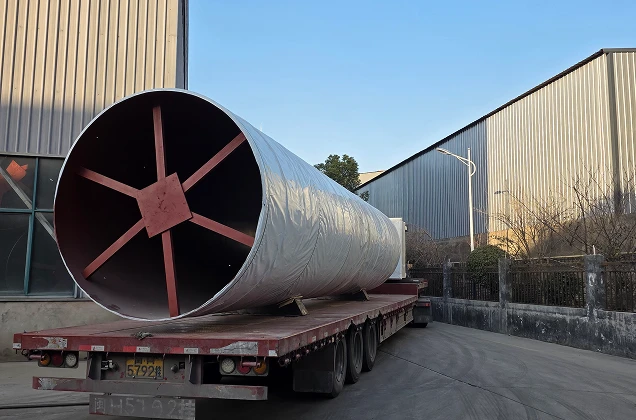
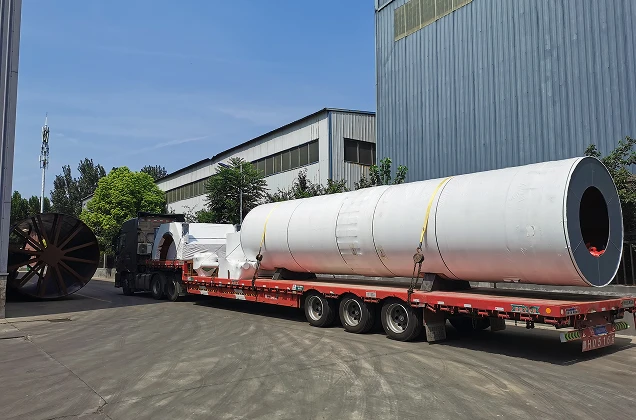
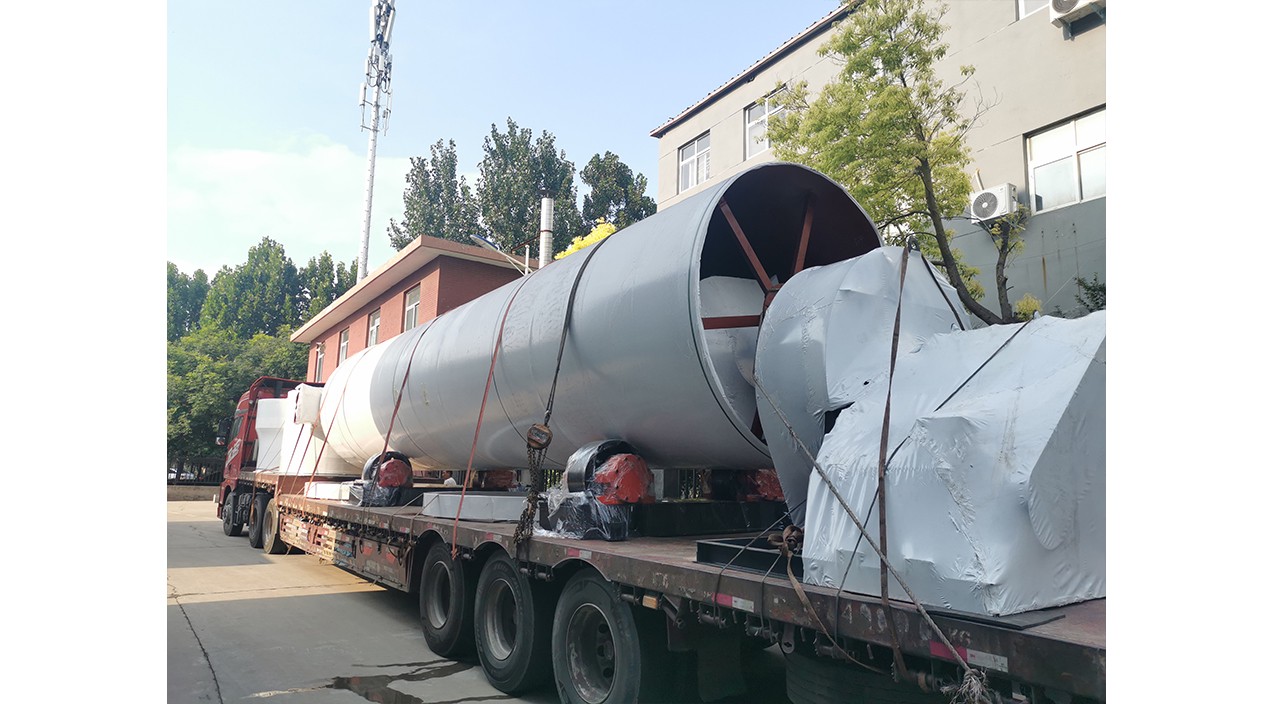
Case 1: Clay Ceramsite Production Line Shipment to Sichuan
Project Overview: The complete clay ceramsite production line equipment purchased by a customer in Sichuan was manufactured and shipped. The production line uses local clay as raw material to produce building ceramsite lightweight aggregate.
Equipment Configuration: Includes crushing system, grinding system, disc pelletizer, ceramsite rotary kiln, cooler, vibrating screen, and full electrical control equipment.
Customer Value: The customer received a complete clay ceramsite production line, effectively utilizing local clay resources and meeting the demand for lightweight aggregate in the surrounding construction market.
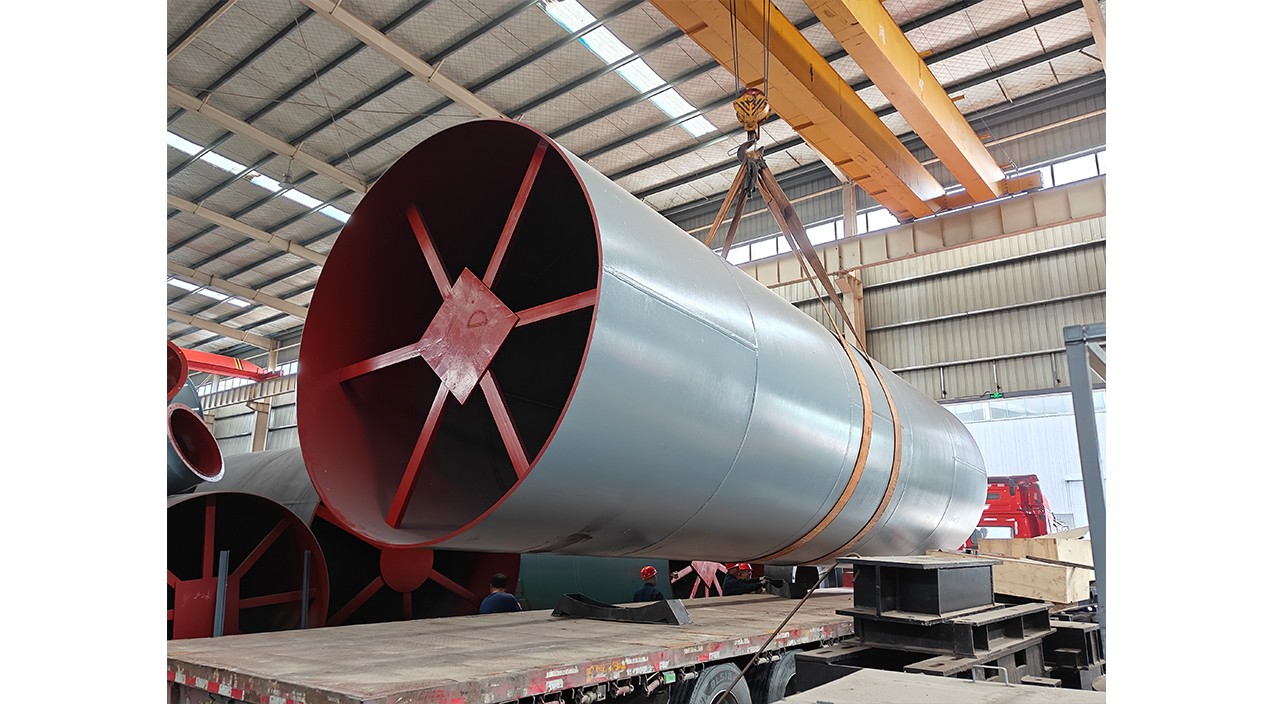
Case 2: Ceramsite Rotary Kiln Shipment to Xuzhou, Jiangsu
Project Overview: The ceramsite rotary kiln complete equipment ordered by a customer in Xuzhou, Jiangsu, was manufactured and shipped. The equipment is used to process local fly ash and coal gangue to produce environmentally friendly ceramsite products.
Equipment Features: The use of industrial solid waste to produce ceramsite aligns with national circular economy policy direction, while also solving the environmental problems caused by fly ash stockpiling.
Customer Value: After commissioning, the project helped the customer achieve solid waste resource utilization, gaining both economic and environmental benefits.
Case 3: Shale Ceramsite Rotary Kiln in Hulan County, Heilongjiang
Project Overview: The shale ceramsite rotary kiln production line purchased by a customer in Hulan County, Heilongjiang, was installed and commissioned. The production line uses local shale as raw material, with an annual output of approximately 30,000-50,000 cubic meters, serving the construction market in Northeast China.
Equipment Features: Φ2.2×30m specification, with an hourly capacity of approximately 6-7 cubic meters, suitable for medium-scale production needs.
Customer Value: After commissioning, the customer gained stable ceramsite production capacity, effectively filling the supply gap in the local lightweight aggregate market.
Customised Solution Services
Every ceramsite rotary kiln project is unique—raw material properties, capacity scale, fuel conditions, and product targets all differ, and no standardised solution fits all needs. That is why we offer professional one-on-one customised solution services:
If you already have raw material analysis data: Please provide us with your raw material type, chemical composition, expansion performance, target capacity, and product quality requirements. Our professional engineering team will tailor a complete solution from equipment selection to system configuration based on your actual data.
If you have not yet conducted raw material analysis: We recommend completing a basic raw material analysis (chemical analysis, expansion performance testing, etc.) first. You can also contact us; we will provide consulting services and technical support for raw material analysis.
Our services include:
Customised ceramsite rotary kiln model and specification selection based on raw material characteristics
Full production line equipment (crushing, grinding, pelletizing, calcination, cooling, screening, dust collection systems) selection and matching
Equipment layout and site planning recommendations
Investment estimation and economic analysis
Installation, commissioning guidance, and operator training
Contact Us: No matter which stage your project is at—whether you are at the process scheme evaluation stage, equipment selection stage, or already in production and needing optimization upgrades—we welcome your enquiry.
The right way to contact a manufacturer: Please provide your raw material type, target capacity, and product application—our engineers will precisely match the most suitable ceramsite rotary kiln solution for you.