
Full-Set Cement Clinker Grinding Plant: Equipment Setup and Flowchart
Henan Hongke Heavy Machinery Co., Ltd. is a Chinese manufacturer of industrial rotary kilns, rotary dryers, ball mills, crushers and complete production lines. A full-set cement clinker grinding plant is an important part of cement production. Its equipment configuration and process flow directly affect cement output, specific surface area, power consumption and operating cost. This article reviews the equipment composition, process flow and layout points of a cement clinker grinding plant, as a reference for cement grinding project selection and design.
1. Process Composition of a Cement Clinker Grinding Plant
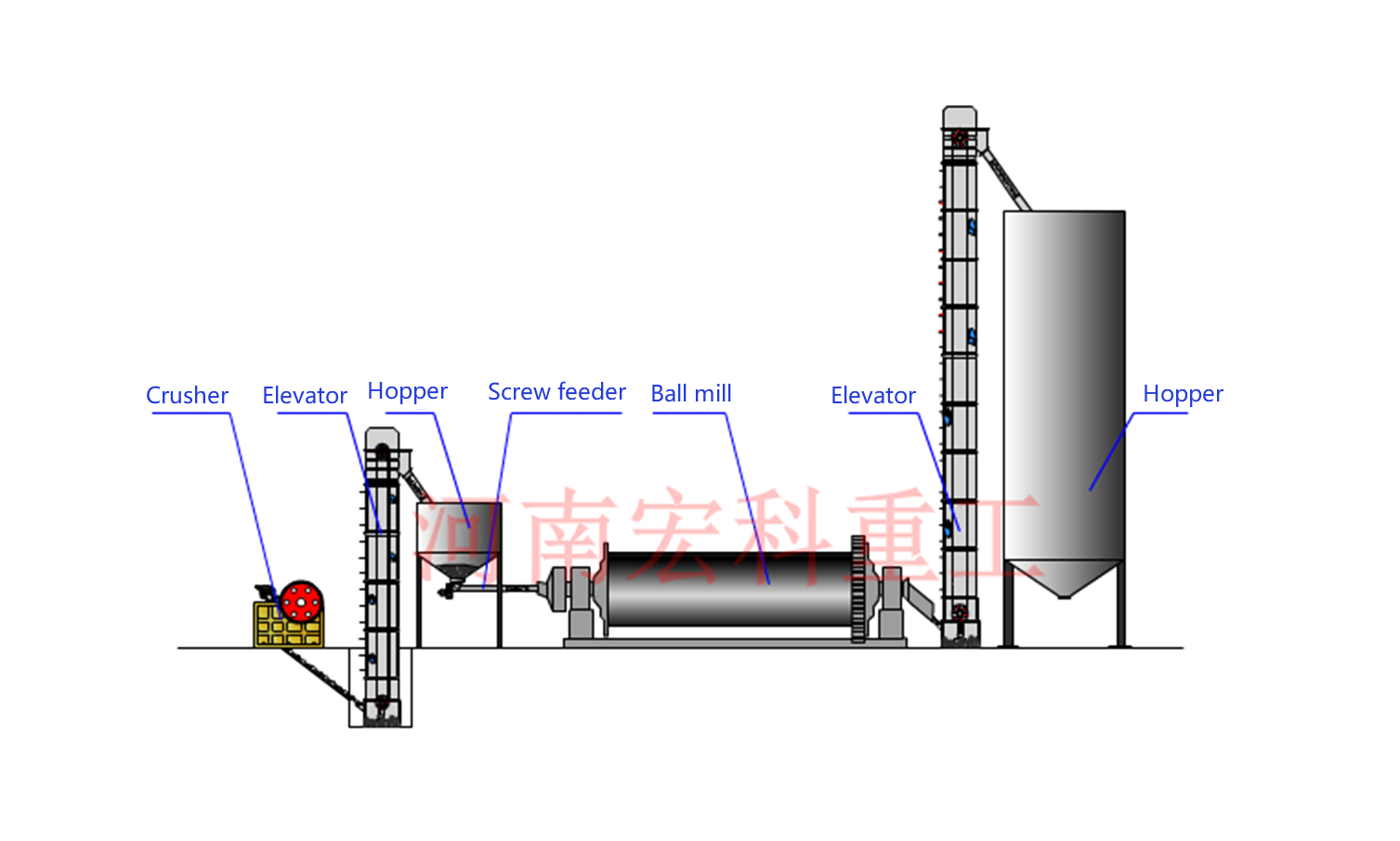
A full-set cement clinker grinding plant usually consists of a batching system, grinding system, separation system, dust collection system, conveying system and auxiliary system. The main functions are:
Batching system: clinker, gypsum and mixed materials are measured by ratio and fed into the mill;
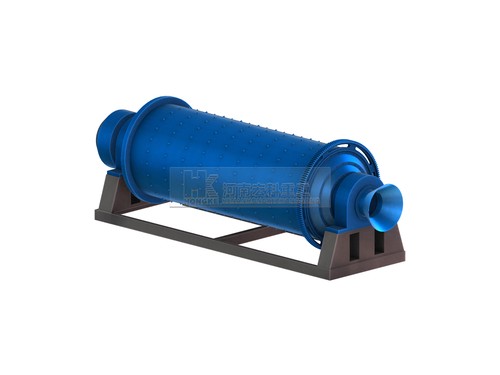
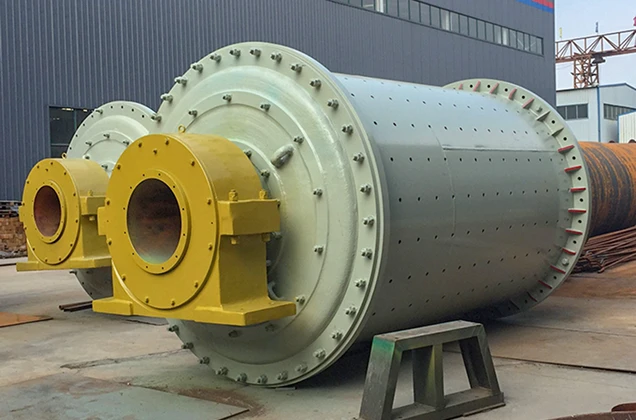
Grinding system: a ball mill or vertical mill grinds the material to the target specific surface area;
Separation system: the separator separates qualified fine powder, and coarse powder returns to the mill for further grinding;
Dust collection system: collects dust from the mill, separator and conveying points;
Conveying system: conveys finished cement to the cement silo;
Auxiliary system: includes circulating water, compressed air, electrical control and automation systems.
The grinding system is the core. Mill size and separation efficiency decide output and power consumption. A grinding plant can use open-circuit or closed-circuit grinding. Closed-circuit grinding controls product fineness through the separator and has relatively lower specific power consumption, making it a common configuration.
2. Main Equipment Configuration
The table below lists the main equipment of a cement clinker grinding plant for preliminary selection reference. Actual configuration should be based on target capacity, cement type, mixed material type and site conditions. Items marked “according to project configuration” should follow the contract technical agreement and final drawings.
System | Equipment | Main Function | Configuration Notes |
|---|---|---|---|
Batching | Clinker silo | Stores clinker | Volume according to daily consumption and storage period |
Batching | Gypsum silo, mixed material silo | Stores gypsum and mixed materials | Volume according to ratio and storage period |
Batching | Metering feeder | Feeds by ratio | According to batching accuracy |
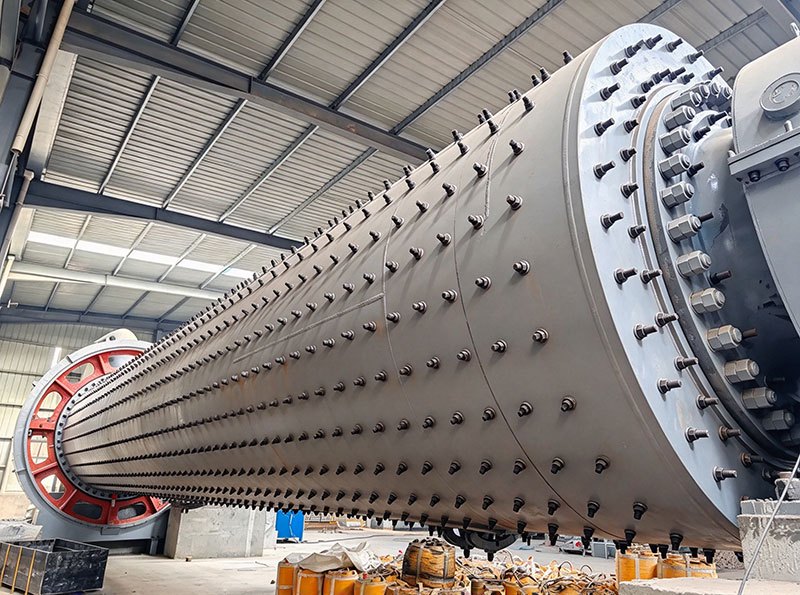
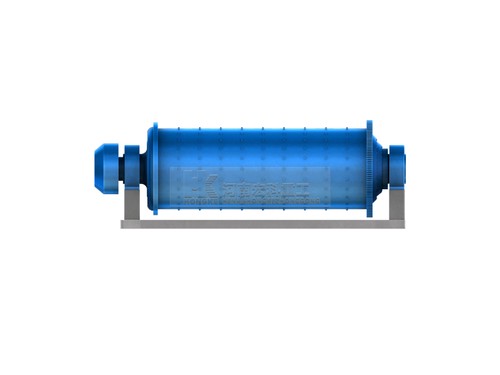
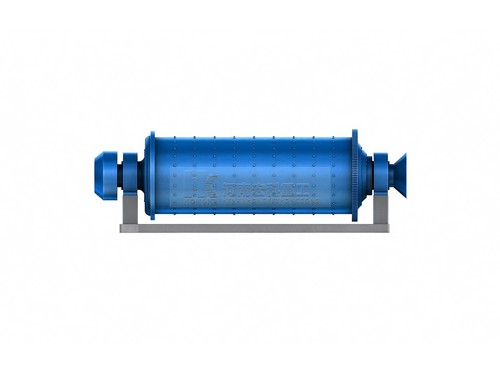
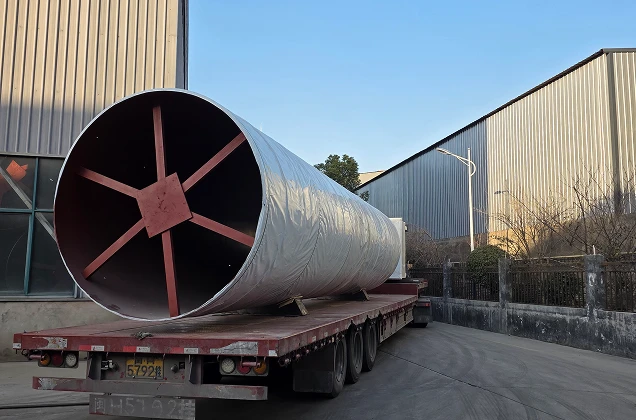
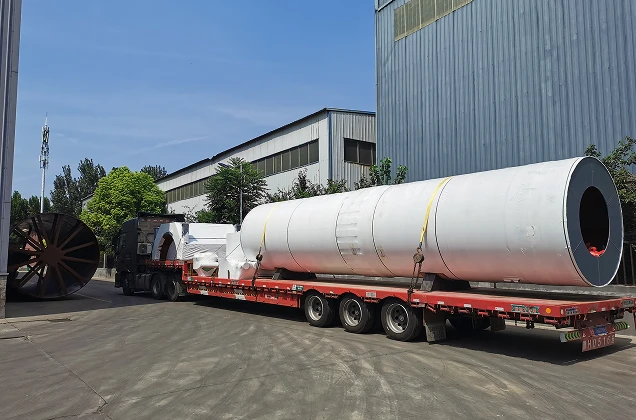
Grinding | Cement ball mill | Grinds clinker and mixed materials | According to capacity and specific surface area |
Grinding | Roller press (optional) | Pre-grinding, reduces mill power consumption | According to capacity and process |
Separation | Separator | Separates qualified fine powder | According to product fineness and output |
Dust collection | Bag filter | Collects dust | According to air volume and emission requirements |
Dust collection | System fan | Maintains system ventilation | According to system resistance |
Conveying | Bucket elevator, screw conveyor | Conveys material and product | According to conveying capacity |
Conveying | Cement silo | Stores finished cement | Volume according to product storage period |
Auxiliary | PLC control system | Monitoring and interlock control | According to automation requirements |

3. Process Flow Description
The typical process flow of a cement clinker grinding plant is as follows:
Batching: clinker, gypsum and mixed materials are fed from silos through metering feeders into the mill by ratio;
Grinding: material is impacted and ground by steel balls in the ball mill to a certain fineness;
Separation: mill discharge enters the separator, qualified fine powder enters the dust collector with the air flow, and coarse powder returns to the mill;
Dust collection: dust-laden gas is cleaned by the bag filter, and collected dust becomes part of the product;
Conveying: finished cement is conveyed to the cement silo for bulk loading or packing.
In a closed-circuit grinding system, separator efficiency directly affects mill output and product fineness. When separation efficiency is high, qualified fine powder is separated in time, overgrinding inside the mill is reduced, and mill output is relatively higher. When separation efficiency is low, fine powder circulates inside the mill and power consumption increases.
4. Equipment Layout Points
The layout of a cement clinker grinding plant should balance process flow, footprint, maintenance and environmental protection. The following points are worth attention:
Vertical layout: use terrain height difference or steel structure frames so material flows by gravity from silo to mill, separator and cement silo, reducing lifting;
Mill layout: the mill produces vibration and noise and should be placed on an independent or vibration-isolated foundation with maintenance space reserved;
Separator and filter position: the separator and filter should be close to the mill to shorten ducts and reduce system resistance;
Cement silo layout: the cement silo should be near the conveying and loading end for bulk loading or packing;
Maintenance access and lifting space: lifting and maintenance access should be reserved for mill liners, steel balls and separator rotor replacement;
Environmental and noise control: consider the effect of filters, fans and mills on nearby noise and dust.
5. FAQ
Q1: Does a cement clinker grinding plant always need a ball mill?
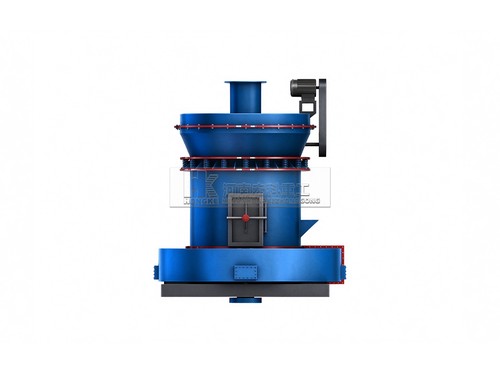
Not necessarily. A ball mill is common and suits many cement types and mixed materials. Vertical mill and roller press finish grinding systems are also used in some projects. Equipment selection should compare capacity, power consumption, investment and cement type.
Q2: How to choose between open-circuit and closed-circuit grinding?
Open-circuit grinding is simpler and has lower investment, but product fineness control is relatively difficult and specific power consumption is higher. Closed-circuit grinding controls fineness through the separator and has relatively lower specific power consumption, suitable for projects with specific surface area requirements. Most modern grinding plants use closed-circuit grinding.
Q3: How is the specific surface area of cement grinding controlled?
Specific surface area is mainly controlled by mill size, separator efficiency and product fineness requirements. During operation, separator speed and mill conditions should be adjusted according to cement type and mixed material ratio.
Q4: Can Henan Hongke provide cement grinding plant equipment configuration and flowcharts?
Yes. Henan Hongke can provide cement clinker grinding plant equipment configuration, process flowcharts, ball mill and separator selection, dust collection system matching, installation guidance and commissioning training. For more information, see spare parts and after-sales service.
6. Planning a Cement Grinding Plant Project? Contact Henan Hongke
If you are planning a cement clinker grinding plant, or if you need equipment configuration, process flow and capacity matching evaluation, please send the following information to Henan Hongke:
Clinker source and properties;
Target capacity and cement type;
Cement specific surface area requirements;
Mixed material type and ratio;
Project location, power supply conditions and environmental requirements.
Henan Hongke will provide a preliminary equipment configuration suggestion and process flow proposal for the cement clinker grinding plant based on the project conditions. Please use contact Hongke to send your requirements, or visit our products page to learn more about grinding equipment products.