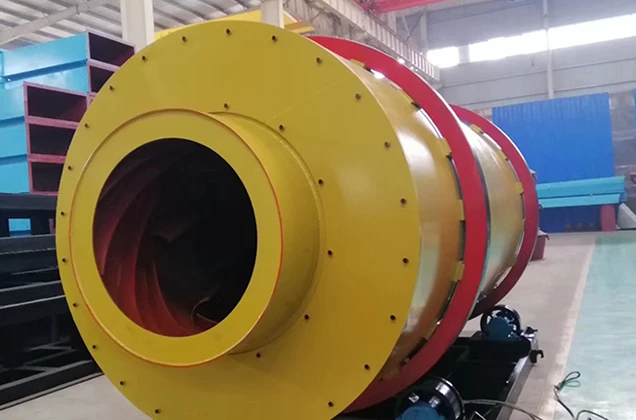


Gold Ore Grinding Circuit: Ball Mill and Classifier Integration
Henan Hongke Heavy Machinery Co., Ltd. is a Chinese manufacturer of industrial rotary kilns, rotary dryers, ball mills, crushers and complete mineral processing production lines. The gold ore grinding circuit is a key stage in gold beneficiation. The integration quality of the ball mill and classifier directly affects grinding fineness, processing capacity and recovery rate. This article reviews the flow, ball mill and classifier integration and operation points of a gold ore grinding circuit, as a reference for project selection and operation.
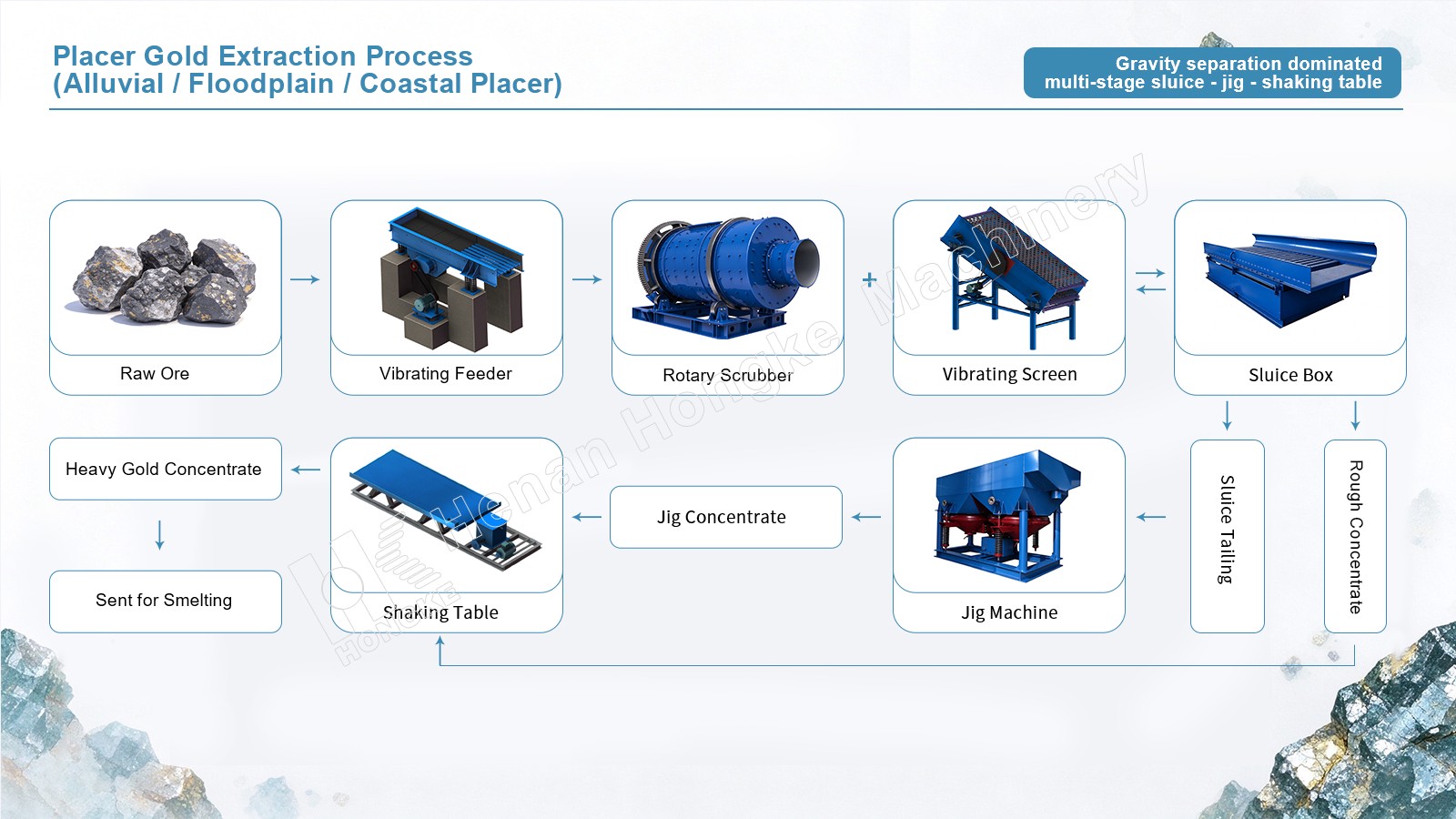
1. Basic Flow of a Gold Ore Grinding Circuit
A gold ore grinding circuit usually uses closed-circuit grinding, consisting of a ball mill and a classifier. The typical flow is as follows:
Feed: crushed gold ore is fed into the ball mill by a feeder;
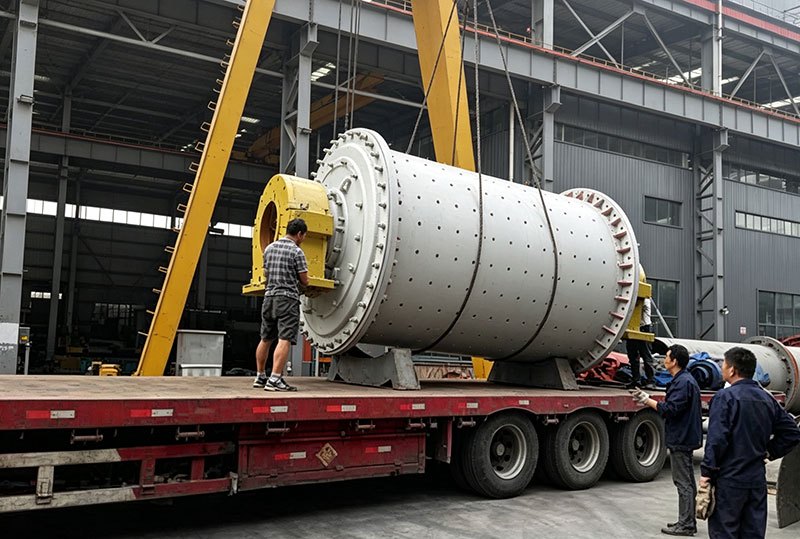
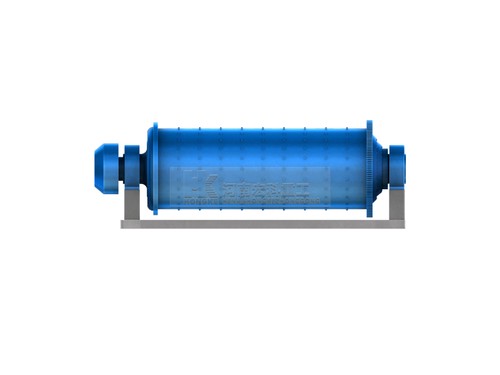
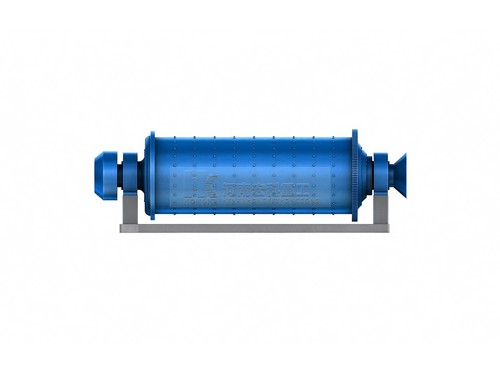
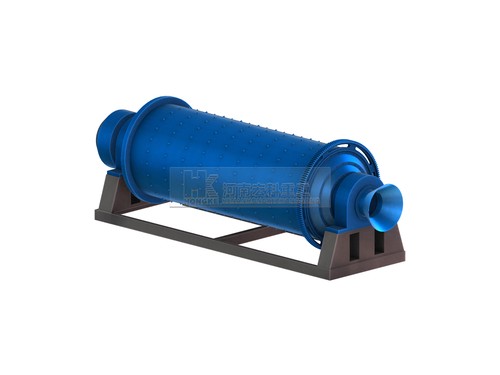
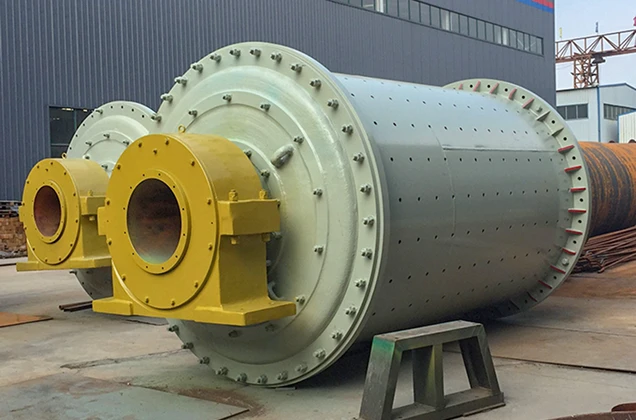
Grinding: steel balls in the ball mill impact and grind the ore, reducing its particle size;
Classification: mill discharge enters the classifier, qualified fine particles overflow to the beneficiation stage, and coarse particles return as sand;
Sand regrinding: returned sand goes back to the mill inlet and is ground together with new feed;
Overflow beneficiation: classifier overflow enters gravity separation, flotation or cyanide leaching.
The key to closed-circuit grinding is classification efficiency. The classifier separates particles that have reached the target fineness in time to avoid overgrinding, while particles that have not reached the target return for further grinding to ensure product fineness.
2. Ball Mill and Classifier Integration Points
Ball mill and classifier integration should match in processing capacity, grinding fineness, circulating load and equipment parameters.
Processing capacity matching: ball mill capacity should match classifier capacity. If classifier capacity is insufficient, the sand return rate increases and mill capacity drops. If classifier capacity is too large, equipment investment is wasted.
Grinding fineness matching: gold ore grinding fineness is usually required to be 60%–90% passing 200 mesh, depending on the beneficiation process. The classifier cut size should match the target grinding fineness. Too coarse a cut size gives insufficient product fineness, while too fine a cut size increases overgrinding.
Circulating load control: circulating load is the ratio of sand return to feed, usually in the range of 200%–350%. Too high a circulating load increases mill and classifier load and reduces capacity. Too low a load may give insufficient product fineness.
Equipment parameter matching: ball mill speed, ball load, ball size distribution and classifier speed and overflow weir height should be adjusted together to achieve stable grinding results.
Integration Factor | Main Effect | Configuration Suggestion |
|---|---|---|
Processing capacity | Mill and classifier capacity matching | Calculate according to feed rate and circulating load |
Grinding fineness | Product particle size and recovery rate | Determine cut size according to beneficiation process |
Circulating load | Mill load and processing capacity | Control within 200%–350% |
Ball mill speed | Ball motion and grinding efficiency | Control at 70%–80% of critical speed |
Ball load and size distribution | Grinding capacity and product size | Adjust according to ore hardness and target fineness |
Classifier speed / overflow weir | Cut size and sand return | Adjust according to target fineness and circulating load |
3. Common Classifier Types
Common classifiers in gold ore grinding circuits include spiral classifiers, hydrocyclones and fine screens.
Spiral classifier: simple structure and stable operation, suitable for coarse and medium-fineness classification. The sand return has low moisture and is easy to convey, but classification efficiency is relatively lower than a cyclone and the footprint is larger.
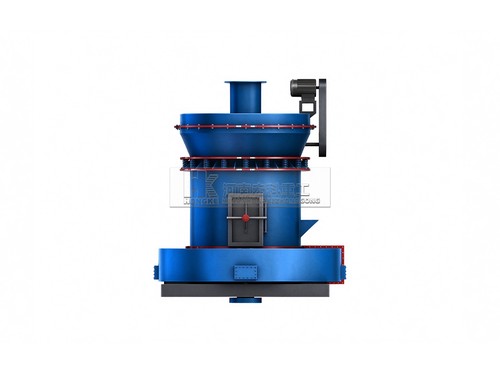
Hydrocyclone: high classification efficiency and small footprint, suitable for fine grinding and closed-circuit grinding. A cyclone needs a slurry pump, and operating parameters strongly affect classification results.
Fine screen: high classification accuracy, suitable for cases with strict product size requirements, but processing capacity is relatively lower and screen mesh wears faster.
4. Points to Watch During Operation
Stable operation of a gold ore grinding circuit depends on coordination of feed, grinding and classification. The following points are worth attention in actual operation:
Feed stability: fluctuations in feed rate and feed size affect grinding results, so feeding should be stable;
Grinding concentration: grinding concentration affects slurry flow and classification results and should be controlled within a suitable range;
Classifier overflow concentration: too high an overflow concentration affects beneficiation and should be monitored and adjusted;
Sand return monitoring: an abnormal increase in sand return may indicate lower classification efficiency or poor mill discharge;
Ball addition and cleaning: add steel balls regularly and remove stubborn rock and debris to keep mill conditions stable;
Equipment wear inspection: liners, spiral blades and cyclone liners should be replaced in time after wear.
5. FAQ
Q1: Why is closed-circuit grinding commonly used for gold ore?
Closed-circuit grinding uses a classifier to separate qualified fines in time, avoiding overgrinding and returning coarse particles for further grinding to ensure product fineness. Compared with open-circuit grinding, the product size is more uniform and grinding efficiency is higher.
Q2: How to choose between a spiral classifier and a hydrocyclone?
A spiral classifier has a simple structure and stable operation and suits coarse and medium-fineness grinding. A hydrocyclone has high classification efficiency and a small footprint and suits fine grinding. The choice should consider grinding fineness, throughput and site conditions.
Q3: What is a normal circulating load?
The circulating load of a gold ore grinding circuit is usually in the range of 200%–350%. Too high a load increases equipment load, while too low a load may give insufficient product fineness. It should be adjusted according to actual operation.
Q4: Can Henan Hongke provide gold ore grinding circuit configuration?
Yes. Henan Hongke can provide gold ore ball mill, spiral classifier and hydrocyclone selection, as well as grinding circuit configuration, installation guidance and commissioning training. For more information, see spare parts and after-sales service.
6. Planning a Gold Ore Grinding Project? Contact Henan Hongke
If you are planning a gold ore grinding circuit, or if you need ball mill and classifier integration, grinding fineness and circulating load evaluation, please send the following information to Henan Hongke:
Gold ore properties, hardness and feed particle size;
Target throughput and grinding fineness;
Beneficiation process (gravity separation, flotation or cyanide leaching);
Classifier type and site conditions;
Project location, power supply conditions and environmental requirements.
Henan Hongke will provide a preliminary selection suggestion and configuration proposal for the gold ore grinding circuit based on the project conditions. Please use contact Hongke to send your requirements, or visit our products page to learn more about grinding equipment products.